

Dietary minerals are inorganic elements that the body cannot make for itself and must absorb from food. When food is completely burned, minerals are left behind as ash. In Leaving Certificate Home Economics, minerals are divided into major minerals, needed in amounts greater than 100 mg per day, and trace minerals, needed in tiny amounts under 100 mg per day. The syllabus sets six core minerals for detailed study: calcium, iron, zinc, iodine, potassium, and sodium. Doing well on this topic means knowing their food sources, bodily functions, deficiency diseases, Recommended Dietary Allowances (RDAs), and the dietary factors that help or hinder their absorption in the gut.
Classification and Bioavailability
Minerals come from rocks, soil, and water. Plants take them up through their roots, animals eat the plants, and humans absorb them through food. Unlike vitamins, minerals are simple elements, so domestic cooking heat, light, and acids will not break them down, though water-soluble minerals can dissolve into boiling cooking water.
Everyday Definitions
- Inorganic: Substances that do not contain carbon and are not produced by living organisms.
- RDA (Recommended Dietary Allowance): The daily intake of a nutrient that meets the needs of nearly all healthy people in a particular life stage or gender group.
- Bioavailability: The proportion of an ingested nutrient that the digestive tract actually absorbs and makes available for the body to use.
- Trace mineral: An element needed only in tiny quantities (measured in milligrams or micrograms), yet vital for health.
Classification of Dietary Minerals
The syllabus requires you to recognise both major and trace mineral elements:
- Major minerals (needed in amounts over 100 mg/day): Calcium, phosphorus, magnesium, sodium, potassium, chlorine, and sulphur.
- Trace minerals (needed in amounts under 100 mg/day): Iron, zinc, iodine, fluorine, copper, manganese, selenium, cobalt, and chromium.
You only need full accounts (sources, functions, deficiencies, and RDAs) for six minerals: calcium, iron, zinc, iodine, potassium, and sodium. For the rest, you need to recognise their names and categories. Note that phosphorus works closely with calcium to build calcium phosphate in bones and teeth, and a lack of phosphorus can also contribute to bone disorders like osteomalacia.
Bioavailability
Eating a food packed with a mineral does not mean your body absorbs every milligram. Bioavailability depends on the chemical form of the mineral and the other foods present in the gut. Components in a meal can act as enhancers, which help absorption, or inhibitors, which bind to the mineral and carry it out of the body unabsorbed.
Quick Reference Guide to the Six Core Minerals
This reference table summarizes the six core minerals tested in Section A short questions and Section B long questions.
| Mineral | Food Sources | Main Biological Functions | Deficiency Effect | Irish RDA / Daily Target |
|---|---|---|---|---|
| Calcium (Major) | Milk, cheese, yoghurt, tinned sardines (with bones) | • Hardens bones and teeth<br>• Blood clotting (prothrombin to thrombin)<br>• Normal muscle contraction | Rickets (children), osteomalacia (adults), osteoporosis, muscle spasms | Adults: 800 mg<br>Teenagers: 1200 mg<br>Pregnancy: 1200 mg |
| Iron (Trace) | Haem: beef, liver<br>Non-haem: lentils, eggs, fortified cereals | • Forms haemoglobin to carry oxygen<br>• Forms myoglobin in muscle<br>• Cell energy release | Iron-deficiency anaemia (fatigue, paleness, breathlessness) | Men: 10 mg<br>Women (child-bearing): 14 mg<br>Pregnancy: ~15 mg |
| Zinc (Trace) | Oysters, red meat, wholemeal bread, pumpkin seeds | • Immune cell activity<br>• Wound healing and tissue repair<br>• Growth and sexual maturation | Delayed wound healing, dry flaky skin, hair loss, stunted growth | Men: 9.5 mg<br>Women: 7 mg |
| Iodine (Trace) | Cod, haddock, seaweed, dairy products, iodised salt | • Forms thyroid hormones<br>• Regulates basal metabolic rate (BMR)<br>• Brain development in the foetus | Goitre (enlarged thyroid), fatigue, weight gain, cretinism in infants | Adults: 130 µg<br>(Higher in pregnancy) |
| Potassium (Major) | Bananas, oranges, potatoes, dark leafy greens, pulses | • Fluid balance inside cells<br>• Regulates muscle contractions and heartbeat<br>• Transmits nerve impulses | Muscle weakness, cramps, fatigue, irregular heartbeat | Adults: 2600–3500 mg |
| Sodium (Major) | Table salt, bacon, ham, cheese, processed convenience foods | • Regulates fluid balance outside cells<br>• Regulates blood pressure and volume<br>• Nerve transmission and muscle action | Muscle cramps, nausea, dizziness, low blood pressure | Target: No more than 6 g salt/day (2.4 g sodium) |
Calcium (Ca)
Calcium is the most abundant mineral in the human body. Roughly 99% is stored in bones and teeth, with the remaining 1% circulating in the blood and soft tissues.
Biological Functions
- Bone and tooth formation: Combines with phosphorus to form calcium phosphate and hydroxyapatite crystals. These give hardness and rigidity to the collagen framework of bones and dental enamel.
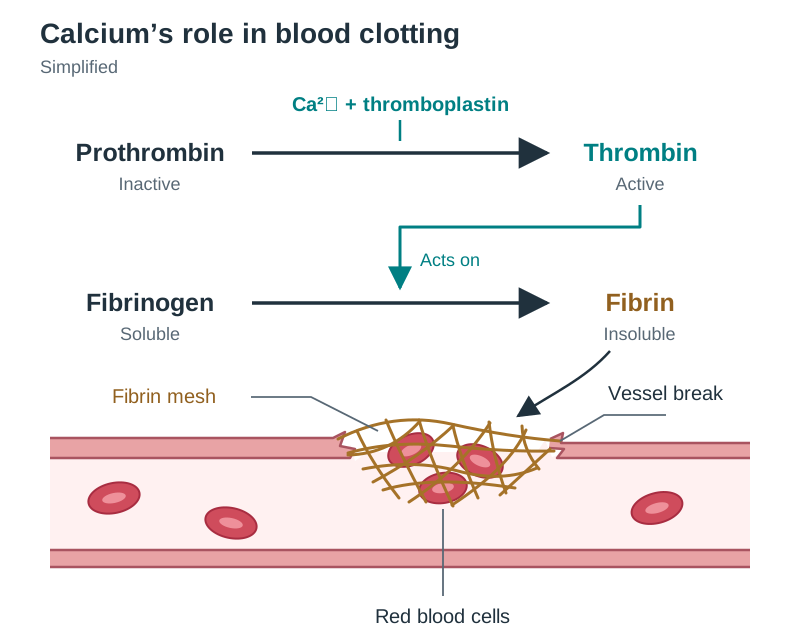
- Blood clotting: Essential for the clotting cascade. When blood vessels tear, calcium works alongside thromboplastin to convert inactive prothrombin into active thrombin. Thrombin then converts soluble fibrinogen into insoluble fibrin threads, creating a mesh that traps red blood cells to stop bleeding.
- Muscle contraction: Calcium enables muscle fibres to slide across one another so muscles can contract and relax smoothly. This includes maintaining the rhythm of the heart muscle.
- Nerve impulse transmission: Passes electrical messages across nerve synapses to coordinate body movement.
Dietary Sources
- Dairy foods: Milk, yoghurt, and hard cheeses like Cheddar provide the most concentrated, readily absorbed calcium in the Irish diet.
- Non-dairy foods: Tinned oily fish eaten with soft, edible bones (such as sardines and salmon), dark green vegetables (broccoli, kale, and cabbage), and fortified plant drinks.
- Note on spinach: Although spinach contains calcium, it also contains high levels of oxalates, which lock the calcium away so the body absorbs very little.
Factors Affecting Absorption
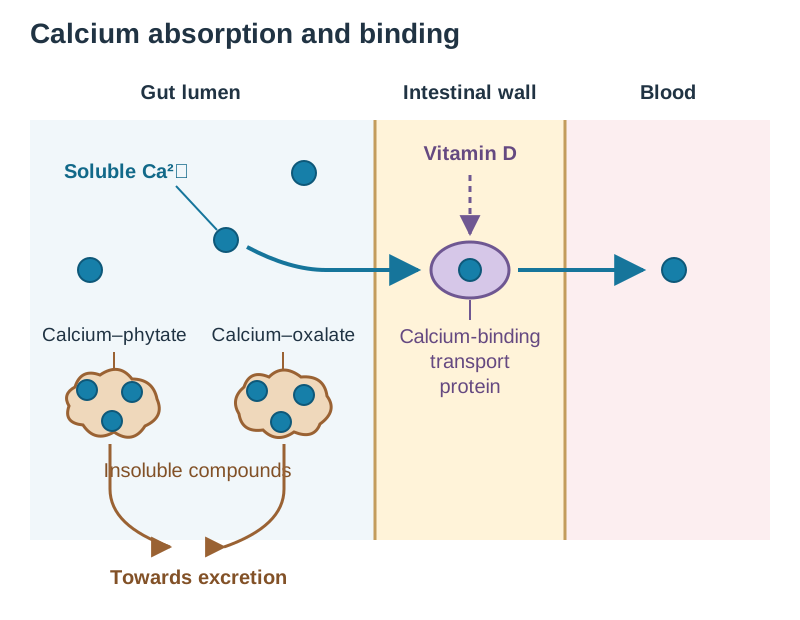
Only a fraction of dietary calcium is absorbed in the small intestine. Other dietary components present during the meal determine how much enters the bloodstream.
- Enhancers:
- Vitamin D: Essential for absorption. It stimulates the intestinal wall to produce a calcium-binding transport protein.
- Acidic environment (Gastric acid and Vitamin C): Keeps calcium dissolved in its soluble state in the upper intestine.
- Lactose and amino acids: Form soluble compounds with calcium, easing transport across the gut wall.
- Inhibitors:
- Phytic acid (phytates): Present in the outer husk of wholegrain cereals, bran, and pulses. It binds calcium into insoluble calcium phytate.
- Oxalic acid (oxalates): Found in spinach and rhubarb. It binds calcium into insoluble calcium oxalate crystals.
- Excess dietary fat: Unabsorbed fatty acids react with calcium to form insoluble soaps that leave the body in stools.
- Excess dietary fibre: Speeds transit through the gut, reducing the time available for absorption.
- Tannins: Found in tea; they bind minerals into insoluble particles.
The body also regulates blood calcium levels using parathormone, released by the parathyroid glands when blood levels drop.
Deficiency Conditions
- Rickets: Affects growing children whose bones lack calcium, vitamin D, or phosphorus. Bones fail to harden properly, remaining soft and bending under body weight.
- Osteomalacia: Adult softening of the bones caused by a lack of calcium and/or vitamin D. The bone protein framework remains, but minerals leach away.
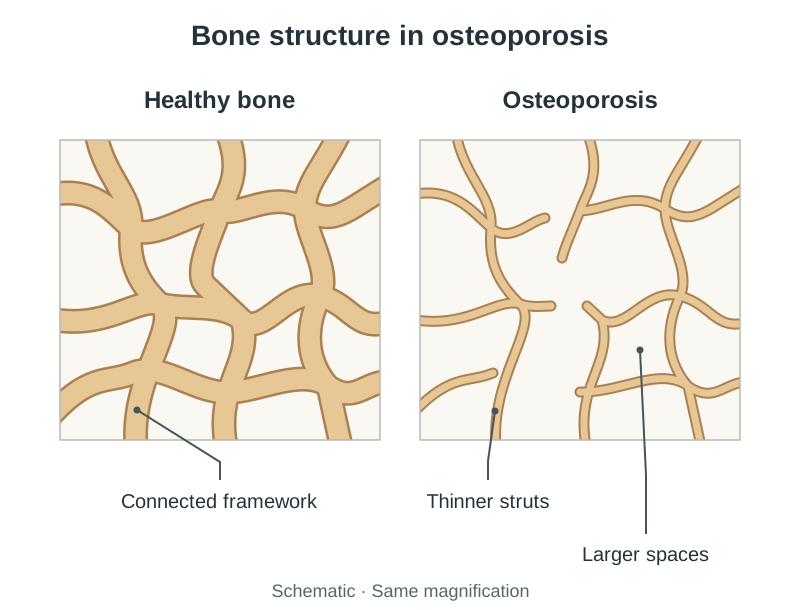
- Osteoporosis: A progressive disease where bones lose overall mass and density. Bones become porous, thin, and brittle, breaking easily from minor falls.
Osteoporosis: Why a Person May Be at Risk
- Age: Bone mass declines naturally after about age 35, so risk rises with advancing years.
- Sex: Far more common in women, especially after menopause when falling oestrogen levels speed up bone mineral loss.
- Family history: Having a parent who suffered osteoporosis or a broken hip increases personal risk.
- Low calcium intake: Particularly during the teenage years, when the skeleton builds peak bone mass.
- Low vitamin D intake: Without vitamin D, calcium cannot be absorbed effectively. Ireland's northern latitude limits winter sunlight synthesis.
- Lack of weight-bearing exercise: Activities like walking, running, and dancing place stress on bones, stimulating them to maintain density.
- Lifestyle factors: Cigarette smoking, heavy alcohol intake, and low body weight (such as from eating disorders) weaken bone structure.
Iron (Fe)
Iron is an essential trace mineral needed to make red blood cells, move oxygen around the body, and release energy in cells.
Haem Iron vs Non-Haem Iron
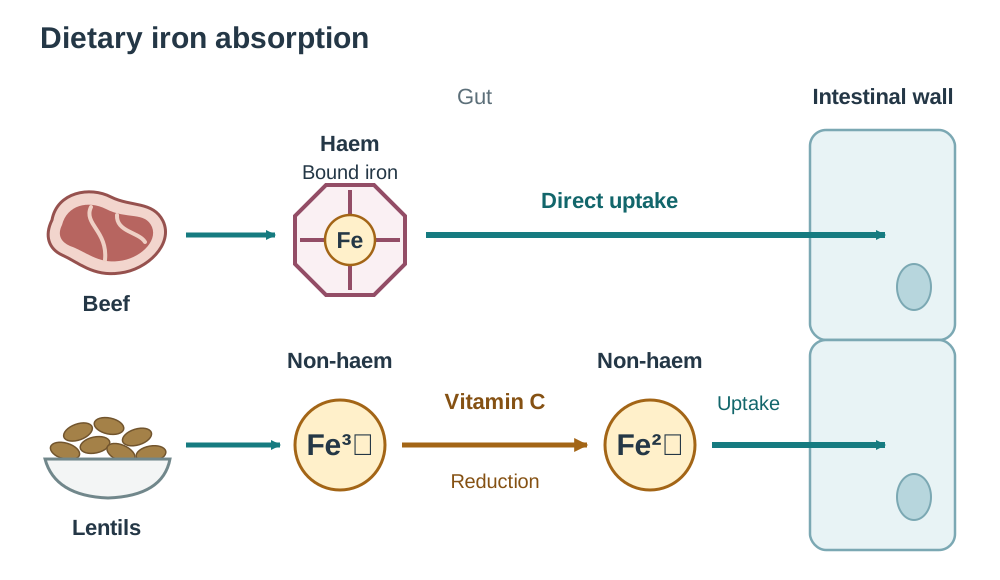
The diet contains two distinct forms of iron, which differ in origin, solubility, and absorption:
| Feature | Haem Iron | Non-Haem Iron |
|---|---|---|
| Chemical Form | Ferrous iron () | Ferric iron () |
| Food Sources | Offal (liver, kidney), red meat (beef, lamb), poultry, fish | Dark green leafy vegetables, pulses (beans, lentils), eggs, fortified breakfast cereals |
| Absorption Quality | Easily absorbed directly by intestinal cells | Poorly absorbed; affected by meal composition |
| Conversion Needed | None; soluble in the gut | Cannot be absorbed directly; must first be changed (reduced) from ferric to ferrous iron by vitamin C or stomach acid |
| Dietary Inhibitors | Little affected by other foods | Heavily reduced by phytates, oxalates, and tannins |
Biological Functions
- Oxygen transport: Sits at the centre of haemoglobin, the red protein in blood cells that picks up oxygen in the lungs and delivers it to body tissues.
- Oxygen storage in muscle: Forms part of myoglobin, a muscle protein that holds an emergency store of oxygen for working muscle fibres.
- Energy release: Forms part of enzymes that help release energy from food in the body's cells.
Bioavailability: Enhancers and Inhibitors
- Enhancers:
- Vitamin C: The most powerful enhancer of plant iron. It acts as a reducing agent, converting ferric iron to ferrous iron in the gut.
- Meat protein: Eating meat, poultry, or fish alongside plant foods helps keep non-haem iron soluble.
- Hydrochloric acid: Normal stomach acid dissolves iron compounds, preparing them for uptake.
- Inhibitors:
- Tannins: Present in black tea and coffee; bind iron into insoluble compounds.
- Phytic acid: Found in raw bran and wholemeal cereals.
- Oxalic acid: Found in spinach and rhubarb.
- Excess calcium: Competes directly with iron for absorption pathways in the intestinal wall.
Iron-Deficiency Anaemia and At-Risk Groups
When iron stores run dry, the body cannot manufacture enough haemoglobin. Symptoms of anaemia include constant tiredness, lethargy, breathlessness after minor effort, pale skin and inner eyelids, dizziness, and poor concentration.
Groups most at risk in Ireland:
- Teenage girls and women of childbearing age: Due to regular monthly menstrual blood loss.
- Pregnant women: Increased maternal blood volume, placental growth, and building foetal iron stores require an RDA of about 15 mg/day.
- Vegetarians and vegans: Their diets contain exclusively non-haem iron, which has low bioavailability.
- Infants over six months: Milk is naturally low in iron; infants quickly exhaust their initial liver stores if weaning foods lack iron.
- Athletes and convalescents: People recovering from surgery or blood loss have higher replenishment demands.
Zinc, Iodine, Potassium, and Sodium
Zinc (Zn)
Zinc is a trace mineral that supports enzyme reactions throughout the body.
- Functions: Strengthens the immune system by supporting white blood cells; drives cell division and tissue repair during wound healing; essential for growth and sexual development in puberty; preserves the senses of taste and smell.
- Sources: Shellfish (oysters are exceptionally rich), red meat, poultry, eggs, whole grains, pulses, and fortified cereals.
- Absorption factors: Protein enhances zinc uptake, whereas phytates in unrefined grains block it. High doses of iron supplements can also compete with zinc for absorption.
- RDA: Men: 9.5 mg/day; Women: 7 mg/day.
- Deficiency effects: Slow wound healing, dry flaky skin or dermatitis, hair loss, loss of taste or smell, frequent infections, and stunted growth in children.
Iodine (I)
Iodine is a non-metallic trace mineral essential for healthy hormone production.
- Functions: Serves as the key raw material for thyroid hormones (including thyroxine), which control the body's basal metabolic rate (BMR), heat generation, and energy use. It is also required for normal brain and central nervous system development in the foetus.
- Sources: Saltwater fish (cod, haddock), shellfish, seaweed, dairy products, eggs, and iodised table salt.
- Deficiency effects:
- Goitre: A visible swelling at the front of the neck caused by the thyroid gland expanding as it strains to capture trace amounts of iodine.
- Hypothyroidism: An underactive thyroid causing a sluggish metabolic rate, constant fatigue, cold sensitivity, and unexplained weight gain.
- Cretinism: Severe physical stunting and irreversible intellectual disability in a child whose mother suffered severe iodine deficiency during pregnancy.
- Absorption note: Raw brassica vegetables (cabbage, broccoli) contain compounds called goitrogens that can hinder iodine uptake by the thyroid, but normal domestic cooking deactivates them.
- RDA: Adults: 130 µg/day (higher in pregnancy and breastfeeding).
Potassium (K) and Sodium (Na)
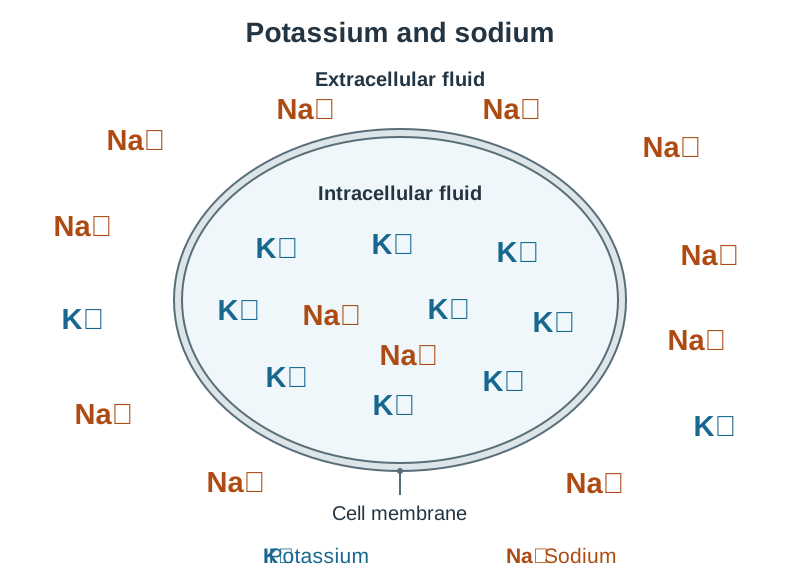
Potassium and sodium work together as partner electrolytes across cell membranes.
- Locations: Potassium is located mainly inside cells, whereas sodium is located mainly outside cells in blood plasma and tissue fluid.
- Functions: Both minerals control fluid balance and osmotic pressure, transmit electrical impulses along nerves, and enable muscles to contract smoothly. Potassium helps the heart keep a steady beat and prompts the kidneys to pass excess fluid, helping to lower blood pressure. Sodium regulates blood volume and maintains extracellular fluid levels.
- Sources:
- Potassium: Fresh fruit (bananas, oranges), potatoes, leafy green vegetables, pulses, and milk.
- Sodium: Table salt, cured meats (bacon, ham), savoury snack foods (crisps), tinned soups, and processed ready meals.
- Deficiencies: Severe deficiency is rare. Low potassium causes muscle cramps, weakness, and irregular heart rhythms. Low sodium causes nausea, dizziness, headaches, and low blood pressure.
Mineral Fortification, Supplements, and the Irish Diet
Fortification and Nutritional Supplements
Fortification means adding minerals or vitamins to foods to boost their nutritional value or replace nutrients lost during industrial processing.
- Iron: Added to breakfast cereals and some white flours. This provides an essential non-haem iron source for school-going teenagers and vegans.
- Calcium: Added to plant-based milks (soya, oat, almond) and fortified fruit juices. This helps people who avoid dairy reach their daily target.
- Iodine: Added to table salt (iodised salt) to protect populations with low seafood intake against goitre.
Supplements supply concentrated nutrients in tablet, capsule, or liquid form. They should generally be taken on medical advice because high doses of single minerals can compete with others (for instance, high iron doses reduce zinc absorption), and mineral overloads can be toxic.
- Iron tablets are prescribed for iron-deficiency anaemia and for some pregnant women.
- Calcium with vitamin D tablets are often prescribed for older adults at high risk of osteoporosis.
Three Key Mineral Concerns in the Irish Diet
National dietary surveys in Ireland point to three ongoing mineral concerns:
- Low Calcium Intake: Many Irish teenagers, especially teenage girls, fail to reach their 1200 mg RDA. Swapping milk for carbonated soft drinks and cutting out dairy without using fortified substitutes are the main reasons. This prevents adolescents from building strong peak bone mass, leaving them at risk of osteoporosis in older age.
- Corrective measures: Follow the healthy eating guidelines: 3 servings a day from the milk, yoghurt, and cheese shelf, and 5 servings a day for children and teenagers aged 9–18. Choose fortified plant drinks, eat tinned fish with soft bones, and eat foods containing vitamin D (oily fish, eggs, fortified milks).
- Low Iron Intake: Menstruating women, teenage girls, and pregnant women frequently fall short of their RDA (14 mg a day for women and teenage girls, about 15 mg in pregnancy). This is caused by lower red meat consumption, skipping fortified breakfast cereals, and drinking tea or coffee with meals. The consequence is widespread iron-deficiency anaemia, leading to fatigue, pale skin, and poor concentration.
- Corrective measures: Pair plant iron foods (lentils, fortified cereals) with vitamin C foods (citrus fruit, red peppers) at the same meal. Avoid drinking tea or coffee during meals, and include modest portions of lean red meat twice a week if non-vegetarian.
- Excess Salt (Sodium) Intake: Irish adults consume an average of 8–10 g of salt per day, well above the FSAI target of no more than 6 g of salt per day (2.4 g sodium). The WHO recommends even less, under 5 g a day. Roughly 70% of this sodium is hidden in processed foods, cured meats, and commercial breads. Excess sodium draws water into the blood, increasing blood volume and causing hypertension (high blood pressure), which raises the risk of heart disease and stroke.
- Corrective measures: Check traffic-light food labels on processed foods; choose low-salt options; flavour home-cooked food with fresh herbs, garlic, and spices instead of table salt.
Key terms
- Haem Iron
- The soluble ferrous (Fe2+) form of iron found in animal flesh, offal, and poultry; it is easily absorbed directly by intestinal cells without needing chemical conversion.
- Non-Haem Iron
- The ferric (Fe3+) form of iron found in plant foods, eggs, and fortified products; it cannot be absorbed directly and must first be converted to ferrous iron by vitamin C or acid.
- Bioavailability
- The proportion of an ingested nutrient that the digestive tract digests, absorbs, and makes available for physiological use or storage.
- Recommended Dietary Allowance (RDA)
- The daily intake of a nutrient that is sufficient to meet the nutritional requirements of practically all healthy individuals in a specific life-stage group.
- Phytic Acid (Phytates)
- An antinutrient found in wholegrain husks, raw bran, and pulses that binds to calcium, iron, and zinc, forming insoluble salts that pass out of the body unabsorbed.
- Oxalic Acid (Oxalates)
- An organic plant compound found in spinach and rhubarb that binds to calcium and iron in the digestive tract, forming insoluble crystals that block absorption.
- Peak Bone Mass
- The maximum density and strength that bones reach in a lifetime, achieved by about the age of 30 after rapid accumulation during childhood and teenage years.
- Osteoporosis
- A progressive bone disease characterized by a loss of total bone mass and thinning of bone micro-architecture, leaving bones porous, brittle, and prone to fractures.
- Osteomalacia
- An adult bone-softening condition caused by inadequate mineralisation of the bone matrix due to a deficiency of calcium, phosphorus, or vitamin D.
- Anaemia
- A condition in which blood lacks sufficient haemoglobin or healthy red blood cells, reducing oxygen transport and causing fatigue, paleness, and lethargy.
- Goitre
- A visible swelling at the front of the neck caused by the thyroid gland enlarging as it attempts to trap trace amounts of iodine from the blood.
- Fortification
- The deliberate addition of essential vitamins or minerals to foods during manufacture to improve nutritional quality or replace nutrients lost in processing.
Check yourself
Name the deficient mineral linked to each of these conditions: goitre, anaemia, dry flaky skin, osteoporosis.
Goitre is linked to iodine; anaemia is linked to iron; dry flaky skin is linked to zinc; osteoporosis is linked to calcium.
How does vitamin C chemically assist the absorption of non-haem iron?
Vitamin C acts as a reducing agent in the digestive tract, converting insoluble ferric iron (Fe3+) into soluble, absorbable ferrous iron (Fe2+).
Describe the specific role calcium plays in the blood-clotting process.
Calcium works with thromboplastin to convert inactive prothrombin into active thrombin, which then converts soluble fibrinogen into insoluble fibrin threads to trap blood cells and form a clot.
What is the key difference between haem iron and non-haem iron regarding dietary origin and gut absorption?
Haem iron comes from animal flesh, is in the ferrous state, and is easily absorbed directly; non-haem iron comes from plants, eggs, and fortified foods, is in the ferric state, and must be converted to ferrous iron before absorption.
Name two plant compounds that reduce mineral bioavailability in the intestine, and name one food source for each.
Phytic acid (phytates), found in wholegrain cereals or pulses; and oxalic acid (oxalates), found in spinach or rhubarb.
What is the FSAI maximum recommended daily salt intake for adults in Ireland, and what chronic condition is linked to exceeding it?
A maximum of 6 grams of salt per day (equivalent to 2.4 grams of sodium). Exceeding this target causes high blood pressure (hypertension), which increases the risk of heart disease and stroke.