

Diet and Health is a core component of Food Studies (Section 1.2) in Leaving Certificate Home Economics at Higher Level. It explores how energy and nutrient requirements change across the life cycle, how national dietary guidelines and Recommended Dietary Allowances (RDAs) are formulated, and how nutrient imbalances contribute to chronic conditions including coronary heart disease, obesity, type 2 diabetes, osteoporosis, bowel disorders, and dental caries. It also covers the management of five modified diets—coronary heart disease, lacto-vegetarian, vegan, coeliac, and diabetic—and examines how Irish dietary habits have evolved from the early twentieth century to the present day.
Energy Requirements, Energy Balance, and Determining Factors
Energy in food is measured in kilojoules (kJ) or kilocalories (kcal), where . Food energy is supplied by three macronutrients, while alcohol acts as an energy source without providing other nutrients:
| Energy source | Energy value per gram |
|---|---|
| Carbohydrate | |
| Protein | |
| Fat (lipids) | |
| Alcohol |
Because fat supplies more than twice as much energy per gram as carbohydrate or protein, high-fat foods are described as energy-dense. In a healthy diet, unrefined carbohydrates should provide roughly 45% to 55% of daily energy, fats no more than 30% to 35%, and protein approximately 10% to 15%.
The Three Roles of Energy in the Body
The syllabus defines three distinct roles of energy:
- Basal metabolic rate (BMR): The minimum energy required to keep vital, involuntary organs functioning (circulation, respiration, cellular repair) while the body is at complete physical, digestive, and emotional rest in a warm environment. BMR accounts for the largest share of daily energy use (typically 60% to 70%).
- Physical activity: Energy used for voluntary muscle movements, from everyday chores and work to sport and exercise. This is the most variable part of daily energy expenditure.
- Growth: Extra energy required to build new body tissue during infancy, childhood, adolescence, and pregnancy.
Energy Balance
Energy balance occurs when daily energy intake matches daily energy expenditure, keeping body weight stable:
- Positive energy balance: Energy intake exceeds expenditure. Surplus energy is stored first as glycogen in the liver and muscles, and then as triglycerides in adipose tissue, leading to weight gain and increasing the risk of obesity.
- Negative energy balance: Energy expenditure exceeds intake. The body breaks down fat stores and glycogen reserves to meet cellular demands, resulting in weight loss.
Applied case study: A 45-year-old office worker takes in each day but expends only . He is in positive energy balance by daily, storing the surplus as body fat. To regain balance, he can reduce intake by (cutting out sugary drinks and reducing portion sizes) or raise expenditure through 45 minutes of brisk daily walking, or combine both adjustments for steady, sustainable results.
Factors Determining Energy Requirements
To remember the factors affecting energy and dietary needs, learn the mnemonic ASHPA:
- Age: Energy needs per kilogram of body weight are highest during infancy and the adolescent growth spurt because of rapid tissue formation. BMR steadily slows down after about age 30.
- Sex: Biological males generally have a higher proportion of lean muscle mass and a larger skeleton than females, giving them a higher BMR and higher daily caloric requirements.
- Body size and composition: A tall, heavy, or muscular person needs more energy than a small, lighter person because muscle tissue is far more metabolically active than adipose tissue.
- Level of physical activity and occupation: Heavy manual labourers (such as builders or agricultural workers) and athletes require considerably more energy than people in sedentary desk jobs.
- State of health: Fevers, burns, serious infections, and recovery from major surgery raise metabolic rate and energy needs, whereas prolonged illness involving bed rest reduces them.
- Pregnancy and lactation: Extra energy is needed to support foetal growth in pregnancy, and even more is required during breastfeeding to produce breast milk (around or extra daily).
- Climate: Colder climates require slightly more energy expenditure to maintain normal internal body temperature ().
Dietary Guidelines, Formulation, and the Modern Irish Diet
Why Dietary Guidelines Are Formulated
- To reduce the incidence of diet-related chronic conditions such as coronary heart disease, obesity, type 2 diabetes, bowel disorders, osteoporosis, and dental caries.
- To prevent nutritional deficiency disorders such as iron-deficiency anaemia and low calcium intake.
- To translate complex scientific nutrition research into clear, practical food choices the general public can follow.
- To give health professionals, educators, and food manufacturers a consistent benchmark for public health campaigns and product formulation.
How Guidelines Are Formulated
- Dietary surveys: National research bodies record what people of different ages actually eat and drink.
- Health data analysis: Epidemiologists correlate these eating patterns with national rates of illness, hospital admissions, and mortality.
- Expert scientific review: Advisory bodies such as the Food Safety Authority of Ireland (FSAI) and the Department of Health review international scientific evidence.
- Setting reference targets: Recommended Dietary Allowances (RDAs) and dietary targets are calculated from the evidence. An RDA is the average daily dietary intake of a nutrient sufficient to meet the physiological requirements of nearly all (97% to 98%) healthy individuals in a specific life stage and sex group.
- Public translation: Targets are turned into simple public messages and visual tools like the Healthy Eating Food Pyramid.
- Periodic review: Guidelines are updated as food supplies, lifestyle patterns, and scientific evidence change.
Current Healthy Eating Guidelines
- Eat at least 5 to 7 servings of vegetables, salad, and fruit daily.
- Base meals on wholemeal cereals, breads, potatoes, pasta, and rice rather than refined starches.
- Limit fat, especially saturated fat; use small amounts of vegetable oils instead of hard animal fats.
- Consume oily fish twice a week for omega-3 fatty acids.
- Reduce salt to less than 6 g daily (about 2.4 g sodium) and cut down on added sugars.
- Drink 8 glasses of fluid daily, choosing tap water over sugar-sweetened drinks.
- Limit top-shelf foods (foods high in fat, sugar, and salt) to no more than once or twice a week.
- Be physically active for at least 30 minutes daily (60 minutes for children and teenagers).
The Healthy Eating Food Pyramid Shelves
- Vegetables, salad, and fruit: 5 to 7 servings daily (base shelf).
- Wholemeal cereals and breads, potatoes, pasta, and rice: 3 to 5 servings daily (up to 7 for active teenage boys and men).
- Milk, yoghurt, and cheese: 3 servings daily for adults; 5 servings daily for children and adolescents aged 9 to 18 to establish peak bone mass.
- Meat, poultry, fish, eggs, beans, and nuts: 2 servings daily.
- Fats, spreads, and oils: Very small amounts; choose polyunsaturated and monounsaturated vegetable oils.
- Top shelf (high fat, sugar, salt): Not required for health; eat no more than once or twice a week.
Changes in Food and Eating Patterns in the Irish Diet Since the Early 1900s
- Staple foods: Early-twentieth-century diets relied on a narrow range of plain, home-produced staples (potatoes, oatmeal, homemade soda bread, whole milk, cabbage, and salted bacon/pork); the modern Irish diet features an extensive variety of imported, processed, and convenience foods.
- Cooking and preservation: Traditional cooking relied on boiling, stewing, and baking over an open hearth or range, with salting and pickling for preservation; modern methods focus on frying, microwaving, refrigeration, freezing, and reheating commercially prepared chilled meals.
- Meal patterns: Early-twentieth-century families ate three structured, set meals together at home each day with negligible between-meal snacking; modern eating patterns are fragmented and irregular, with skipped meals, frequent grazing on commercial snacks, and frequent dining out or takeaways.
- Energy balance: High-calorie, starch-heavy traditional meals were balanced by strenuous manual labour and walking; today, sedentary desk occupations and motorised transport, combined with high energy intake, lead to widespread positive energy balance and weight gain.
- Drivers of change: Higher disposable incomes, widespread refrigeration and food technology, increased foreign travel and food imports, more women entering paid employment outside the home, and widespread food marketing and advertising.
How the Modern Irish Diet Measures Up Against Current Guidelines
| Current guideline | What the modern Irish diet actually does |
|---|---|
| 5–7 servings of vegetables, salad, and fruit daily | Most adults and teenagers consume only 2 to 3 servings daily, leaving intakes of vitamin C, folate, antioxidants, and dietary fibre below recommended levels. |
| 3–5 servings of wholemeal cereals, bread, potatoes, pasta, and rice | The recommended number of servings is often eaten, but people choose refined white bread, white pasta, and sugary breakfast cereals instead of wholegrains, losing fibre and B vitamins. |
| 3 servings of dairy daily (5 servings for ages 9–18) | Teenagers frequently fall short, often swapping milk for sugary fizzy drinks or energy drinks, leading to low calcium intake during bone building years. |
| 2 servings of protein foods daily, with oily fish twice weekly | Red meat and processed meat portions are larger than needed, while oily fish is eaten far less often than twice a week. |
| Top-shelf foods no more than once or twice a week | Eaten daily by many people through crisps, chocolate, confectionery, takeaways, and sugary drinks, pushing fat, sugar, and salt well above targets. |
| Total fat under 35% of energy; saturated fat kept low | Saturated fat supplies more than the recommended share of daily energy because of processed meats, butter, pastries, and fried convenience foods. |
| Salt less than 6 g daily | Average intake is well above 6 g, mainly hidden in processed ready meals, cured meats, commercial bread, and savoury snacks rather than from table salt. |
| 8 glasses of fluid daily; active for 30+ minutes | Fluid is frequently consumed as sugar-sweetened drinks, and activity levels are low due to motorised transport, desk-based work, and recreational screen time. |
Overall conclusion: The modern Irish diet supplies excess energy, saturated fat, sugar, and salt, but too little fibre, iron, calcium, fruit, and vegetables—making it an over-nourished yet nutritionally unbalanced diet.
Inter-Relationship of Diet and Disease: Bowel Disorders, Dental Caries, and Malnutrition
Summary of Diet and Disease Inter-Relationships
| Dietary imbalance | Physiological mechanism | Resulting chronic disorder |
|---|---|---|
| Excess saturated and trans fats | Increased production of low-density lipoproteins (LDL) | Atherosclerosis, coronary heart disease, high blood pressure |
| Excess energy intake | Sustained positive energy balance | Obesity, insulin resistance, type 2 diabetes |
| Excess free, fermentable sugars | Acid production by plaque bacteria dropping pH below 5.5 | Demineralisation of enamel, dental caries |
| Inadequate dietary fibre | Slowed peristalsis, small dry stools, increased colonic pressure | Constipation, haemorrhoids, diverticular disease, bowel cancer risk |
| Inadequate calcium and vitamin D | Demineralisation of bone tissue outpaces bone formation | Poor peak bone mass, osteopenia, osteoporosis |
| Inadequate bioavailable iron | Reduced synthesis of haemoglobin in erythrocytes | Iron-deficiency anaemia, chronic fatigue, pallor |
Obesity
Obesity is a condition characterised by an excessive accumulation of body fat that harms health, clinically measured using Body Mass Index (BMI): a BMI of 30 or above indicates obesity, whereas overweight is defined as a BMI between 25 and 29.9.
- Causes:
- Sustained positive energy balance: Daily energy intake from food and drink consistently exceeds energy expenditure.
- Energy-dense foods and large portion sizes: Frequent consumption of high-fat, high-sugar foods combined with oversized servings.
- Sedentary lifestyle: Lack of regular physical activity and prolonged sitting reduce daily caloric expenditure.
- Genetic tendency: Inherited metabolic rate, appetite signalling, and body fat distribution increase susceptibility.
- Emotional eating: Using food to cope with psychological stress, anxiety, or low mood.
- Social factors: High cost of fresh produce, limited availability of healthy options, and heavy marketing of cheap fast foods.
- Health effects:
- Type 2 diabetes: Excess body fat induces insulin resistance in body cells.
- Coronary heart disease and high blood pressure: Excess adipose tissue strains the cardiovascular system and narrows arteries.
- Joint strain: Mechanical stress causes pain and wear in weight-bearing hip and knee joints.
- Breathing difficulty in sleep: Excess weight around the neck and chest contributes to sleep apnoea.
- Low self-esteem: Social stigma and poor body image often trigger anxiety and depression.
- Dietary management:
- Reduce portion sizes: Lowers total calorie intake without depriving the body of essential nutrients (e.g. use a smaller 9-inch dinner plate and avoid second helpings).
- Base meals on vegetables, wholegrains, and lean protein: High-fibre and protein-rich foods have high satiety value and slow down digestion, keeping you fuller for longer (e.g. choose porridge with berries, lentil soup, or grilled chicken breast with steamed broccoli).
- Cut top-shelf foods and sugary drinks: Eliminates empty calories that drive positive energy balance without providing micronutrients (e.g. replace sugary sodas and fruit juice with water or unsweetened herbal tea, and swap crisps for fruit).
- Eat regular meals rather than skipping and then overeating: Consistent meal times stabilize blood sugar and prevent extreme hunger that leads to bingeing later in the day (e.g. eat three balanced meals daily, starting with breakfast).
- Lifestyle note: Dietary modifications must be combined with regular physical activity (at least 30–60 minutes of moderate exercise daily) to boost energy expenditure and support long-term weight maintenance.
1. Bowel Disorders
Dietary fibre, or non-starch polysaccharides (NSP), consists of structural plant cell carbohydrates that resist digestion in the human small intestine. Insoluble fibre absorbs water in the large intestine, swelling to form soft, bulky stools that stimulate wave-like contractions called peristalsis.
- Constipation: Caused when fibre intake falls well below the recommended adult intake of 24 to 35 g daily alongside low fluid intake, producing hard, dry stools that are painful and difficult to pass.
- Haemorrhoids: Swollen, inflamed veins around the anal sphincter caused by prolonged straining during bowel movements.
- Diverticular disease: Chronic straining creates high pressure within the colon, forcing small pouches (diverticula) outward through weakened points in the muscular wall. When food particles or bacteria lodge in these pouches, painful infection and inflammation occur (diverticulitis).
- Dietary management: Increase fibre intake to 24–35 g daily using wholemeal bread, oats, brown rice, pulses, and unpeeled fruit and vegetables. Drink at least 1.5 to 2 litres of water daily to allow fibre to swell.
2. Dental Caries
Tooth decay is the localized destruction of tooth enamel and dentine by acids produced by oral bacteria.
- Process: Bacteria in oral dental plaque (mainly Streptococcus mutans) ferment dietary sugars into organic acids:
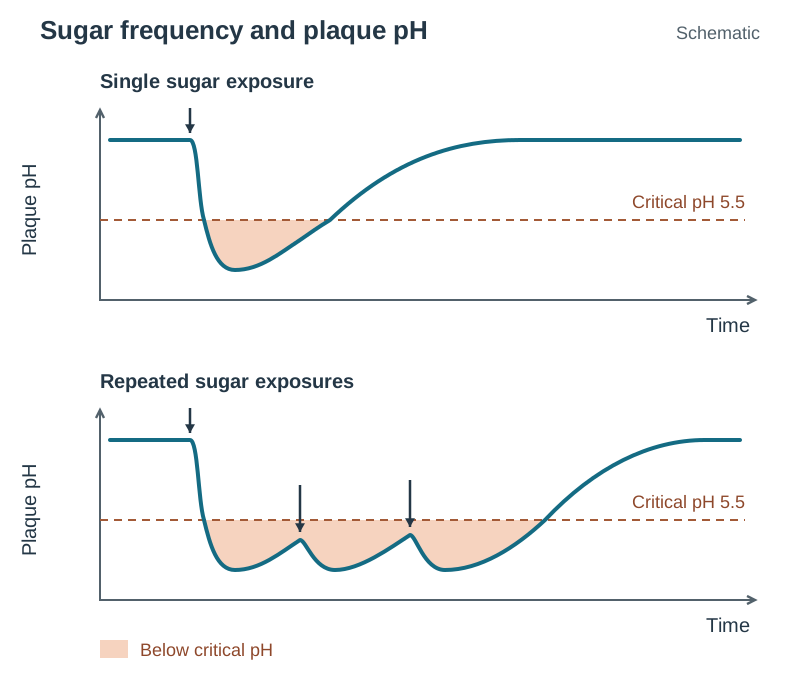
- Critical pH threshold: When plaque pH drops below the critical pH of 5.5, saliva cannot neutralise the acid immediately. Acid dissolves calcium hydroxyapatite crystals out of enamel (demineralisation). Once eating stops, saliva takes 30 to 60 minutes to neutralise the acid and remineralise the surface. Therefore, the frequency of eating sugar causes far more decay than the total amount eaten, because frequent snacking keeps tooth surfaces below pH 5.5 continuously.
- Corrective measures: Confine sugary foods to mealtimes; snack on hard cheese (which stimulates alkaline saliva and provides calcium); brush twice daily with fluoride toothpaste (fluoride makes enamel more resistant to acid attack); and drink fluoridated water.
3. Aspects of Malnutrition in the Modern Irish Diet
To remember the four aspects of malnutrition in the Irish diet, use the rule: Fibre down, Fat up, Iron down, Calcium down.
| Defect | Root cause | Health consequence | Corrective measure |
|---|---|---|---|
| 1. Low dietary fibre | High intake of refined white carbohydrates; low intake of pulses, whole vegetables, and fruit. | Constipation, haemorrhoids, diverticular disease, and higher risk of bowel cancer. | Swap white bread and pasta for 100% wholemeal versions; eat 5–7 portions of fruit and vegetables daily. |
| 2. High saturated fat | High intake of fatty meats, sausages, butter, pastries, and fried takeaway meals. | Raised LDL cholesterol, atheroma formation in arteries, coronary heart disease, and obesity. | Trim fat from meat; grill instead of frying; replace butter with olive or rapeseed oil; eat oily fish twice weekly. |
| 3. Relatively low iron | Low intake of bioavailable haem iron; excessive tea drinking at meals (tannins); unmonitored slimming diets in teenage girls. | Iron-deficiency anaemia, chronic tiredness, lack of concentration, and pale skin. | Eat lean red meat; pair plant non-haem iron with vitamin C; avoid drinking tea with meals. |
| 4. Relatively low calcium | Teenagers replacing milk with fizzy drinks; dairy avoidance without fortified substitutes. | Failure to achieve optimal peak bone mass; accelerated bone thinning in later life. | Eat 3 servings of dairy daily (5 for ages 9–18); choose fortified plant milks; ensure adequate vitamin D. |
Skeletal and Cardiovascular Health: Osteoporosis and Coronary Heart Disease
1. Osteoporosis
Osteoporosis is a skeletal condition in which bones gradually lose mineral density and their internal architecture breaks down, leaving them thin, porous, and brittle, so that they fracture easily, especially at the wrist, hip, and spine.
Causes and Risk Factors
- Age: Bone density peaks between ages 20 and 30 (peak bone mass). After age 35, bone breakdown gradually outpaces bone formation, thinning the skeleton.
- Sex and hormones: Much more common in females. The sharp decline in oestrogen after the menopause accelerates bone mineral loss.
- Dietary factors: Lifelong deficiency of calcium and vitamin D prevents bones from reaching maximum density. Excess salt increases calcium excretion in urine, and high caffeine intake can reduce calcium absorption.
- Lifestyle factors: Lack of regular weight-bearing physical activity (such as brisk walking, running, or dancing) removes the mechanical stimulation needed to build bone tissue. Smoking and excessive alcohol intake both reduce bone density.
- Family history: A genetic history of osteoporosis increases individual risk.
Factors Affecting Calcium Absorption
- Helpers: Vitamin D promotes active absorption of calcium in the gut; vitamin C and lactose also support absorption.
- Inhibitors: Phytates in raw cereal bran and oxalates in spinach and rhubarb bind to calcium, creating insoluble compounds that pass out of the body unabsorbed.
2. Coronary Heart Disease (CHD)
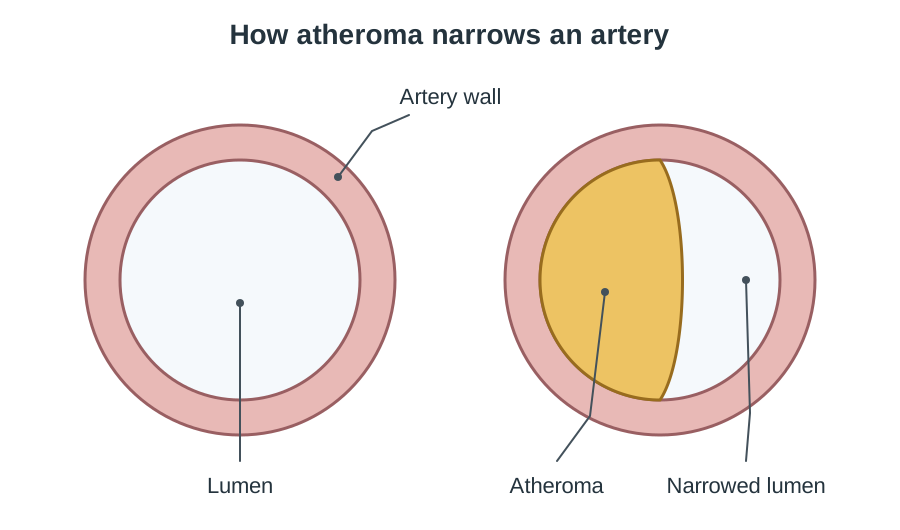
Coronary heart disease occurs when the coronary arteries supplying oxygen-rich blood to the heart muscle become narrowed and hardened by fatty deposits called plaques (atheroma). This narrowing process is called atherosclerosis.
Cholesterol and Lipoprotein Carriers
- Low-density lipoproteins (LDL): Known as 'bad cholesterol', LDL carries cholesterol from the liver to body cells and blood vessel walls. Saturated fats make the liver produce more LDL. Excess LDL penetrates damaged artery walls and oxidises, building up atheroma.
- High-density lipoproteins (HDL): Known as 'good cholesterol', HDL collects surplus cholesterol from the arteries and returns it to the liver for excretion in bile, protecting blood vessels.
Dietary Management of CHD
- Reduce saturated fat: Saturated fats raise LDL cholesterol. Swap butter and lard for olive or rapeseed oil; choose lean poultry over fatty red meat.
- Eat oily fish twice weekly: Salmon, mackerel, and sardines supply omega-3 fatty acids, which reduce blood triglycerides, prevent blood clots, and lower blood pressure.
- Increase soluble fibre: Oats, beans, and lentils contain soluble fibre (such as beta-glucan) that binds bile acids in the intestine, forcing the liver to clear LDL cholesterol from the blood to make replacement bile.
- Reduce salt to less than 6 g daily: Lower sodium intake lowers blood pressure, reducing mechanical stress on arterial walls.
Non-Dietary Risk Factors for CHD
- Smoking: Damages the lining of arteries, raises blood pressure, and lowers protective HDL cholesterol.
- Lack of physical exercise: Contributes to high blood pressure, low HDL levels, and weight gain.
- Obesity: Strains the heart muscle and increases the risk of high blood pressure and type 2 diabetes.
- High blood pressure (hypertension): Directly damages coronary artery walls, accelerating plaque deposition.
- Stress: Raises blood pressure and often prompts poor dietary choices, smoking, and alcohol consumption.
- Heredity, sex, and advancing age: A family history raises risk; men have a higher risk at a younger age, while women's risk rises after the menopause.
Metabolic Conditions and Modified Diets: Diabetes, Coeliac Disease, and Vegetarianism
1. Diabetes Mellitus
Diabetes is a condition in which the body cannot regulate blood glucose within normal limits. In a healthy individual, fasting blood glucose stays roughly between 4 and 6 mmol/L; in untreated diabetes, it rises well above this.
Types of Diabetes
- Type 1 (insulin-dependent): An autoimmune condition in which the body attacks and destroys the insulin-producing beta cells in the pancreas. It usually begins in childhood or early adulthood, is not linked to lifestyle, and requires daily insulin injections plus dietary control.
- Type 2 (non-insulin-dependent): The body's cells become resistant to insulin (insulin resistance), and the pancreas cannot produce enough to compensate. It is strongly linked to excess weight, inactivity, older age, and family history. It is managed with a controlled diet, weight loss, and exercise, with tablets or insulin added if necessary.
- Gestational diabetes: High blood glucose that appears during pregnancy and usually resolves after birth, though it raises the mother's later risk of type 2 diabetes.
Symptoms of untreated diabetes: Excessive thirst, frequent urination, unexplained weight loss, extreme fatigue, blurred vision, and slow-healing cuts.
Dietary management: Eat regular, evenly spaced meals based on low-glycaemic index (GI) carbohydrates (porridge, basmati rice, lentils) so glucose enters the blood gradually. Avoid sweets and sugary drinks; increase fibre to 24–35 g daily; and restrict saturated fat.
2. Coeliac Disease
Coeliac disease is a lifelong autoimmune condition of the small intestine set off by eating gluten, a structural protein present in wheat, barley, and rye.
- Pathology: Ingestion of gluten triggers an abnormal immune response that flattens and destroys the tiny absorptive villi of the small intestine (villous atrophy). This drastically cuts the surface area available to absorb nutrients, leading to malabsorption of iron, calcium, and vitamins.
- Symptoms: Chronic diarrhoea, pale or bulky stools, abdominal pain, bloating, unintended weight loss, chronic fatigue, and iron-deficiency anaemia. In children, it causes poor growth.
- Diagnosis: A blood test checking for coeliac antibodies, confirmed by an endoscopy biopsy of the small intestine lining. Gluten must not be removed before testing, or the results will be false.
- Dietary management: Follow a strict, lifelong 100% gluten-free diet. Eliminate all normal bread, flour, pasta, cakes, and biscuits. Check processed foods (sausages, soups, sauces) for hidden gluten. Pure oats are naturally gluten-free but must be certified gluten-free because conventional oats are contaminated during harvesting and milling. Look for the crossed-grain symbol on packaged foods.
- Kitchen practice: Use dedicated toasters (or toaster bags), clean preparation surfaces, and separate butter dishes to avoid gluten cross-contamination.
3. Types of Vegetarian Diets
- Lacto-vegetarian: Eats plant foods and dairy products (milk, cheese, yoghurt). Excludes meat, poultry, fish, and eggs.
- Lacto-ovo-vegetarian: Eats plant foods, dairy products, and eggs. Excludes meat, poultry, and fish.
- Vegan: Strictly plant foods only. Excludes all animal flesh, dairy, eggs, and honey.
- Pescatarian: Eats plant foods, dairy, eggs, and fish/seafood, but no meat or poultry.
Reasons for choosing a vegetarian diet: Ethical objections to slaughtering animals; religious beliefs; environmental concerns over land, water, and greenhouse gas emissions from livestock; health benefits of a lower-fat, higher-fibre diet; and lower food costs, as pulses cost less than meat.
Benefits of a well-planned vegetarian diet: Lower in saturated fat and cholesterol, reducing the risk of coronary heart disease; higher in dietary fibre, reducing constipation and bowel disorders; rich in antioxidant vitamins from fruit and vegetables; and usually lower in energy density, assisting healthy weight management.
Protein Complementation for Vegans
Plant proteins are typically low biological value (LBV), lacking one or more essential amino acids. Protein complementation means combining two LBV plant foods with different limiting amino acids within the same meal so that their amino acid profiles make up for each other, providing all essential amino acids together:
Examples: Baked beans on wholemeal toast; lentil dahl with brown basmati rice; hummus (chickpeas and tahini) with wholemeal pitta bread.
Key vegan micronutrients: Vitamin B12 is absent from unfortified plant foods, so vegans must eat fortified cereals, fortified plant milks, or take a daily B12 supplement to prevent pernicious anaemia and nervous system damage. Non-haem plant iron (lentils, spinach) must be paired with vitamin C (citrus fruit, peppers) to convert it to the absorbable form.
Key terms
- Basal metabolic rate (BMR)
- The minimum amount of energy needed to maintain vital, involuntary body functions while at complete rest in a warm environment.
- Energy balance
- The state where daily energy intake from food and drink equals daily energy expenditure, keeping body weight stable.
- Recommended Dietary Allowance (RDA)
- The average daily dietary intake of a nutrient sufficient to meet the physiological requirements of nearly all healthy people in a specific age and sex group.
- Non-starch polysaccharides (NSP)
- Dietary fibre from structural plant cell walls that resists digestion in the human small intestine.
- Peristalsis
- The wave-like, involuntary muscular contractions of the digestive tract wall that push food and waste along the gut.
- Diverticular disease
- A condition in which high pressure inside the bowel forces small pouches (diverticula) outward through weak spots in the muscular wall of the colon.
- Atherosclerosis
- The narrowing and hardening of arteries caused by the progressive build-up of fatty plaques (atheroma) containing cholesterol.
- Low-density lipoprotein (LDL)
- A lipoprotein that transports cholesterol from the liver to body tissues; excess levels build up as plaque inside artery walls.
- High-density lipoprotein (HDL)
- A protective lipoprotein that collects excess cholesterol from blood vessels and carries it back to the liver for excretion.
- Peak bone mass
- The maximum bone density and mineral strength achieved by an individual, usually reached between 20 and 30 years of age.
- Osteoporosis
- A skeletal condition where bones lose mineral density and become thin, porous, and brittle, breaking easily under minor stress.
- Coeliac disease
- A lifelong autoimmune disorder in which eating gluten damages and flattens the absorptive villi of the small intestine.
- Gluten
- A structural protein found in wheat, barley, and rye that triggers immune damage to the small intestine in people with coeliac disease.
- Villous atrophy
- The flattening and destruction of the microscopic absorptive villi in the small intestine, severely reducing nutrient absorption.
- Protein complementation
- Combining two low biological value plant protein foods with different limiting amino acids in the same meal to provide all essential amino acids.
- Glycaemic index (GI)
- A ranking of carbohydrate foods showing how rapidly they are digested and converted into glucose in the bloodstream.
- Insulin resistance
- A state in type 2 diabetes where body cells fail to respond effectively to insulin, leaving blood glucose levels elevated.
- Demineralisation
- The loss of calcium and phosphate minerals from tooth enamel when plaque acidity falls below the critical pH of 5.5.
Check yourself
Name the three core roles of energy in the body as set out in the syllabus.
Basal metabolic rate (BMR), physical activity, and growth.
A snack contains 5 g of protein, 20 g of carbohydrate, and 8 g of fat. Calculate its total energy value in kilojoules (kJ).
Protein: 5 × 17 = 85 kJ; Carbohydrate: 20 × 17 = 340 kJ; Fat: 8 × 37 = 296 kJ. Total energy = 85 + 340 + 296 = 721 kJ.
Why does the Irish Food Pyramid recommend 5 daily servings of dairy for children and teenagers aged 9 to 18?
To supply enough calcium (with protein) during the adolescent growth spurt so that optimal peak bone mass is built, protecting against osteoporosis later in life. Vitamin D, which is needed to absorb that calcium, comes mainly from sunlight, oily fish and fortified foods rather than from milk itself.
Name two ways the modern Irish diet fails to meet current dietary guidelines.
Irish people eat only 2 to 3 servings of fruit and vegetables daily instead of 5 to 7, and consume top-shelf foods (high fat, sugar, salt) daily rather than once or twice a week.
Name three distinct classes or types of vegetarian diet.
Lacto-vegetarian, lacto-ovo-vegetarian, and vegan (or pescatarian).
What is the critical plaque pH threshold below which tooth enamel demineralisation occurs?
Demineralisation occurs when plaque pH drops below 5.5.
Explain protein complementation and give one practical meal example.
Combining two low biological value (LBV) plant proteins with different limiting amino acids in the same meal so that they provide all essential amino acids together. Example: baked beans on wholemeal toast.
Give two non-dietary risk factors that increase the risk of coronary heart disease.
Cigarette smoking and physical inactivity (lack of regular exercise).
Name the four aspects of malnutrition identified in the modern Irish diet.
Low dietary fibre, high saturated fat, relatively low iron intake, and relatively low calcium intake.