

The human digestive system breaks down food, absorbs water and nutrients into the blood and lymph, and expels undigested material. Digestion relies on mechanical breakdown and enzyme-catalysed chemical reactions occurring in specialised environments with distinct pH values across the alimentary canal. This note covers the pathway of food, the functions of organs and accessory glands, enzyme actions, nutrient absorption and storage, the role of the gut microbiome, and the health and sustainability implications of human dietary choices.
The Layout of the Digestive System
The digestive system consists of the alimentary canal, a continuous muscular tube through which food travels, and several accessory organs that produce secretions to assist digestion.
Food travels through the organs in this sequence: mouth → oesophagus → stomach → small intestine (duodenum, jejunum, ileum) → large intestine (caecum, appendix, colon) → rectum → anus.
Food never passes directly through the accessory organs: the salivary glands, liver, gallbladder, and pancreas. Bile from the liver and gallbladder travels down the bile duct, while pancreatic juice travels down the pancreatic duct. Both ducts empty into the duodenum.
In anatomical position, the stomach lies on the left side of the body just beneath the diaphragm. The liver sits to the right, above and slightly overlapping the stomach, with the small gallbladder tucked underneath it. The pancreas sits behind and below the stomach, and the duodenum loops around its head. The large intestine frames the central coils of the small intestine.
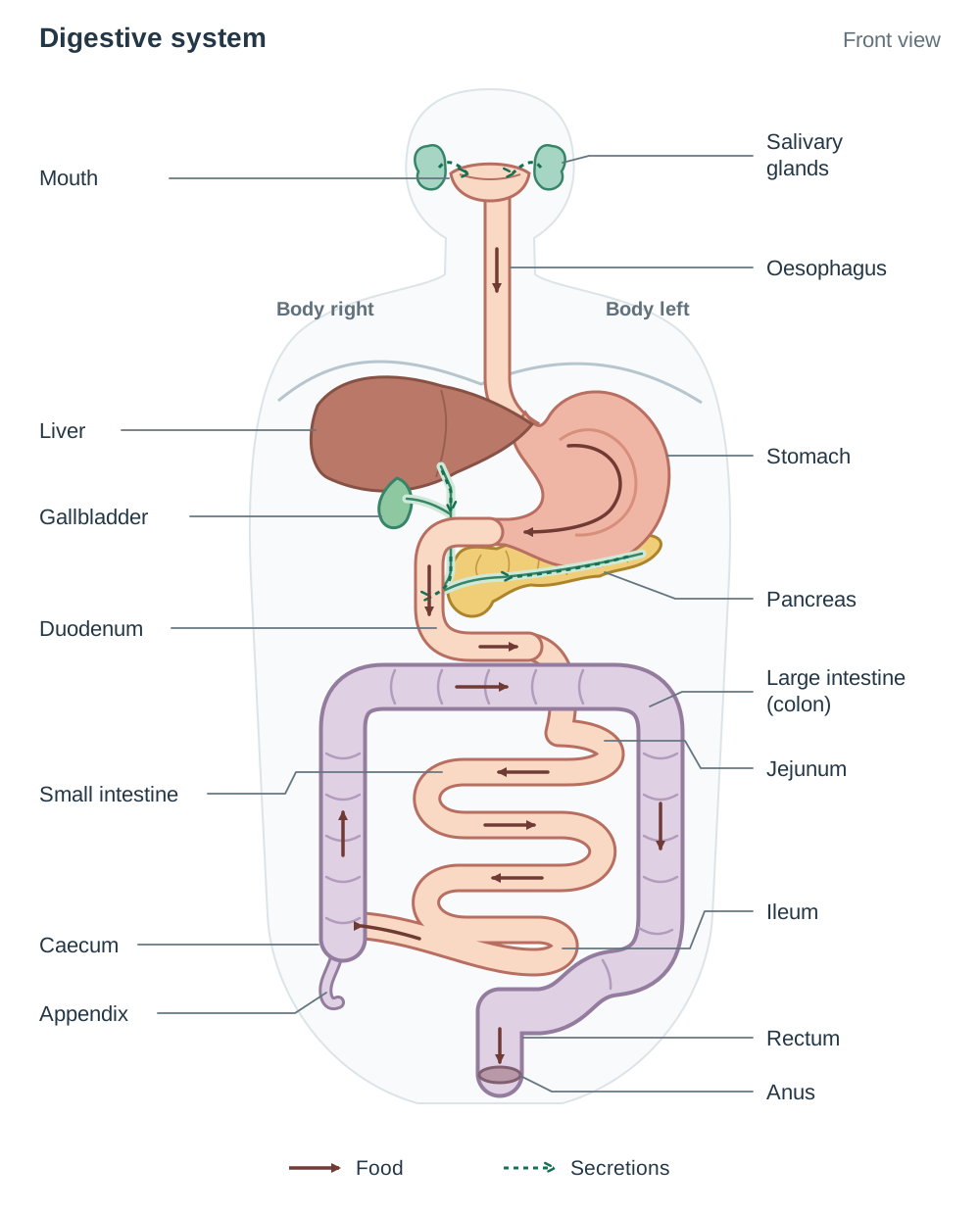
| Organ or Gland | Main Function |
|---|---|
| Mouth | Ingestion, chewing with teeth, and starch digestion by salivary amylase. |
| Oesophagus | Transports food from the mouth to the stomach by peristalsis. |
| Stomach | Churns food into chyme, kills bacteria with acid, and begins protein digestion with pepsin. |
| Pancreas | Secretes pancreatic juice containing enzymes and sodium hydrogen carbonate into the duodenum. |
| Liver | Produces bile, processes absorbed nutrients, stores glycogen, and carries out deamination. |
| Gallbladder | Stores and concentrates bile before releasing it into the duodenum. |
| Small intestine | Completes chemical digestion in the duodenum and absorbs nutrients and water in the ileum. |
| Large intestine | Absorbs water and dissolved mineral salts, and houses the gut microbiome. |
| Rectum | Stores faeces temporarily before elimination. |
| Anus | Sphincter muscle controlling the egestion of faeces. |
Stages of Food Processing and Mechanical Digestion
The processing of food occurs in four successive stages:
- Ingestion: Taking food into the alimentary canal through the mouth.
- Digestion: Breaking down large, insoluble food molecules into small, soluble molecules through mechanical and chemical means.
- Absorption: Moving digested nutrients and water through the lining of the intestine (the epithelium) into blood capillaries or lymph vessels.
- Egestion: Expelling undigested material from the alimentary canal as faeces through the anus.
Egestion is different from excretion. Egestion removes material that was never absorbed into body cells, mainly undigested food such as plant fibre. Faeces also contain gut bacteria and some bile pigments. Excretion is the removal of the waste products of cellular metabolism, such as urea and carbon dioxide.
The Role of Teeth
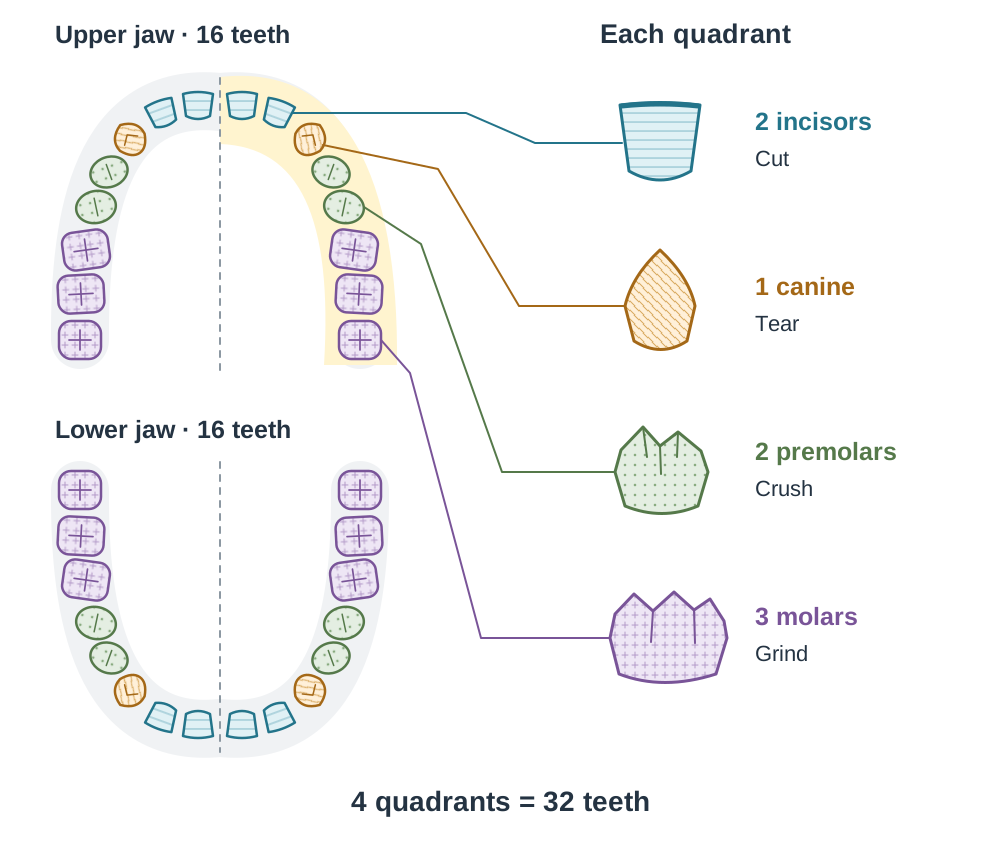
Mechanical digestion breaks food down physically without altering chemical bonds, increasing the surface area for enzymes to act upon. Adult humans have four specialised tooth types:
- Incisors: Chisel-shaped front teeth adapted for biting, cutting, and slicing.
- Canines: Pointed teeth adapted for gripping and tearing tough food.
- Premolars: Flat teeth with ridges used for crushing and grinding.
- Molars: Large, multi-cusped rear teeth used for heavy crushing and grinding.
The human adult dental formula denotes the number of each tooth type in one half of the upper jaw over one half of the lower jaw: teeth in total.
Peristalsis, Churning, and Emulsification
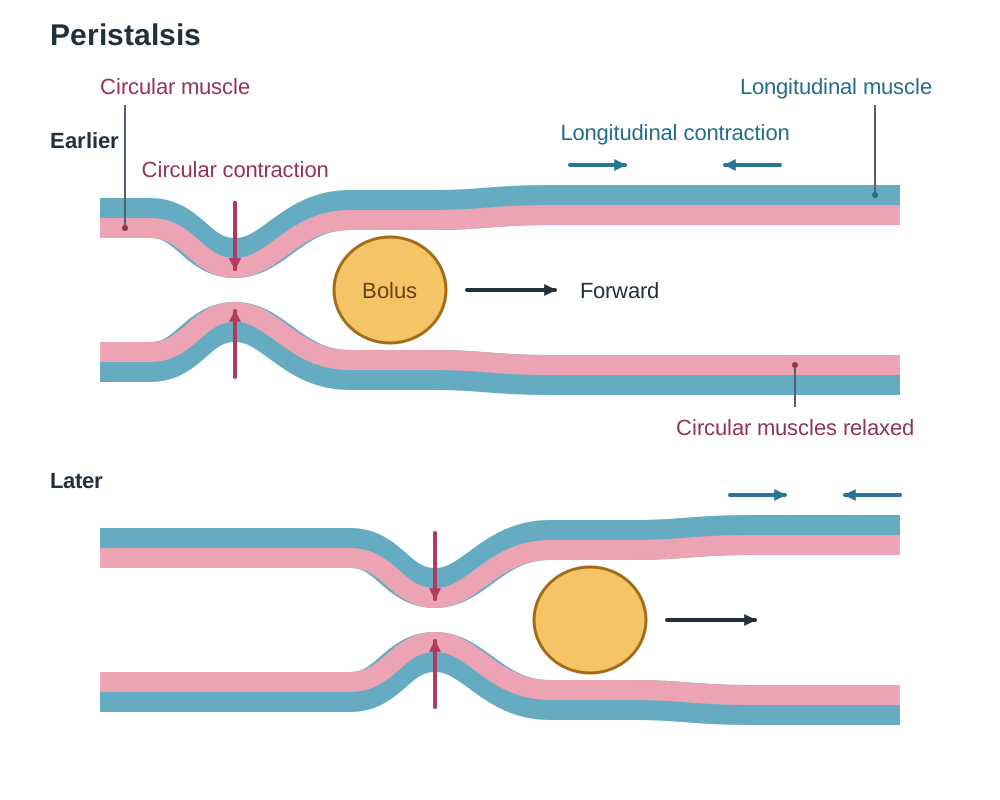
Once chewed, the tongue rolls food into a ball called a bolus. During swallowing, the epiglottis closes over the trachea to prevent choking. Food travels down the oesophagus by peristalsis, a wave of involuntary muscular contraction. Circular muscles contract behind the bolus while longitudinal muscles contract ahead of it, moving food forward through the gut.
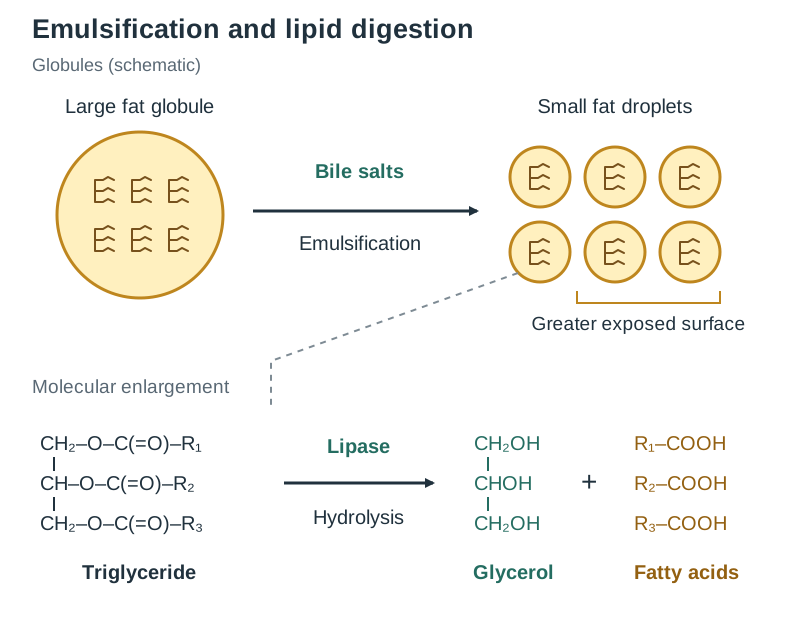
In the stomach, three smooth muscle layers churn food with gastric juice into a soupy liquid called chyme. Later, in the duodenum, bile salts carry out emulsification. Bile salts are not enzymes and break no chemical bonds; instead, they break large fat globules into tiny droplets. This greatly increases the surface area for lipase to hydrolyse the lipids.
Chemical Digestion, Enzymes, and pH Environments
Chemical digestion uses enzymes to break chemical bonds in insoluble macromolecules by hydrolysis, turning them into soluble units.
Enzymes are proteins, and each works best at a particular pH, called its optimum pH. If the environmental pH shifts too far from this optimum, the active site changes shape, the substrate no longer fits, and the enzyme denatures. The digestive tract uses different pH levels in each region to control these reactions.
| Region | Fluid | Source | Enzyme / Substance | Substrate | Product(s) | Optimum pH |
|---|---|---|---|---|---|---|
| Mouth | Saliva | Salivary glands | Salivary amylase | Starch | Maltose | ≈ 7 |
| Stomach | Gastric juice | Gastric glands | Pepsin | Protein | Polypeptides and peptides | ≈ 2 |
| Duodenum | Pancreatic juice | Pancreas | Pancreatic amylase; Lipase; Trypsin | Starch; Lipids; Polypeptides | Maltose; Fatty acids and glycerol; Peptides | ≈ 8 |
| Duodenum | Bile | Liver (stored in gallbladder) | Bile salts; Sodium hydrogen carbonate | Large fat globules; Acidic chyme | Emulsified fat droplets; Neutralised chyme | ≈ 8 |
| Ileum | Intestinal juice | Intestinal epithelium | Maltase; Peptidases | Maltose; Peptides | Glucose; Amino acids | ≈ 8 |
This breakdown sequence represents a biological model. In reality, food processing is not entirely compartmentalised: digestion overlaps across regions, and some starch escapes digestion to be fermented by microbes in the colon.
In the stomach, hydrochloric acid maintains the required acidic pH of 2, destroys harmful bacteria, and activates pepsinogen into active pepsin. Mucus lines the stomach wall to protect the tissue from self-digestion. When chyme enters the duodenum, sodium hydrogen carbonate in pancreatic juice and bile neutralises the acid and establishes an alkaline pH of around 8, which is necessary for pancreatic enzymes to function.
Absorption and the Hepatic Portal System
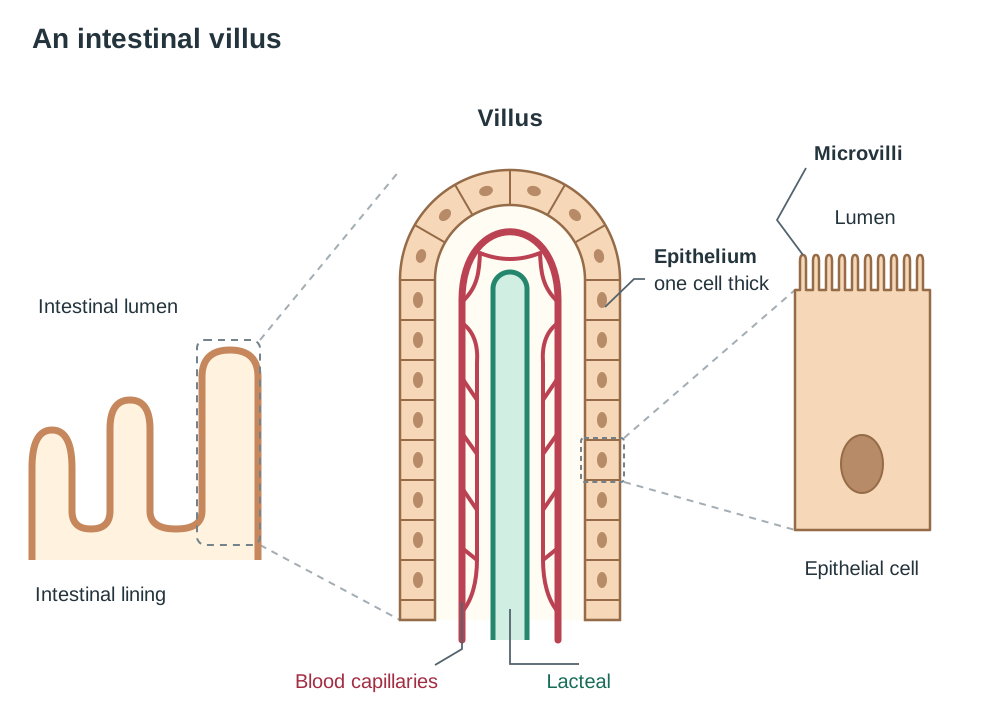
The ileum is specialised for the absorption of nutrients through several distinct features:
- It is long, giving food ample time to be broken down and absorbed.
- Its inner lining is folded into millions of finger-like projections called villi.
- The epithelial cells on the surface of each villus have tiny projections called microvilli, which further increase the surface area.
- The wall of each villus is only one cell thick, providing a short diffusion path.
- Each villus contains a dense network of blood capillaries and a central lacteal.
Dual Transport Routes
Water-soluble and lipid-soluble nutrients enter the body through different pathways:
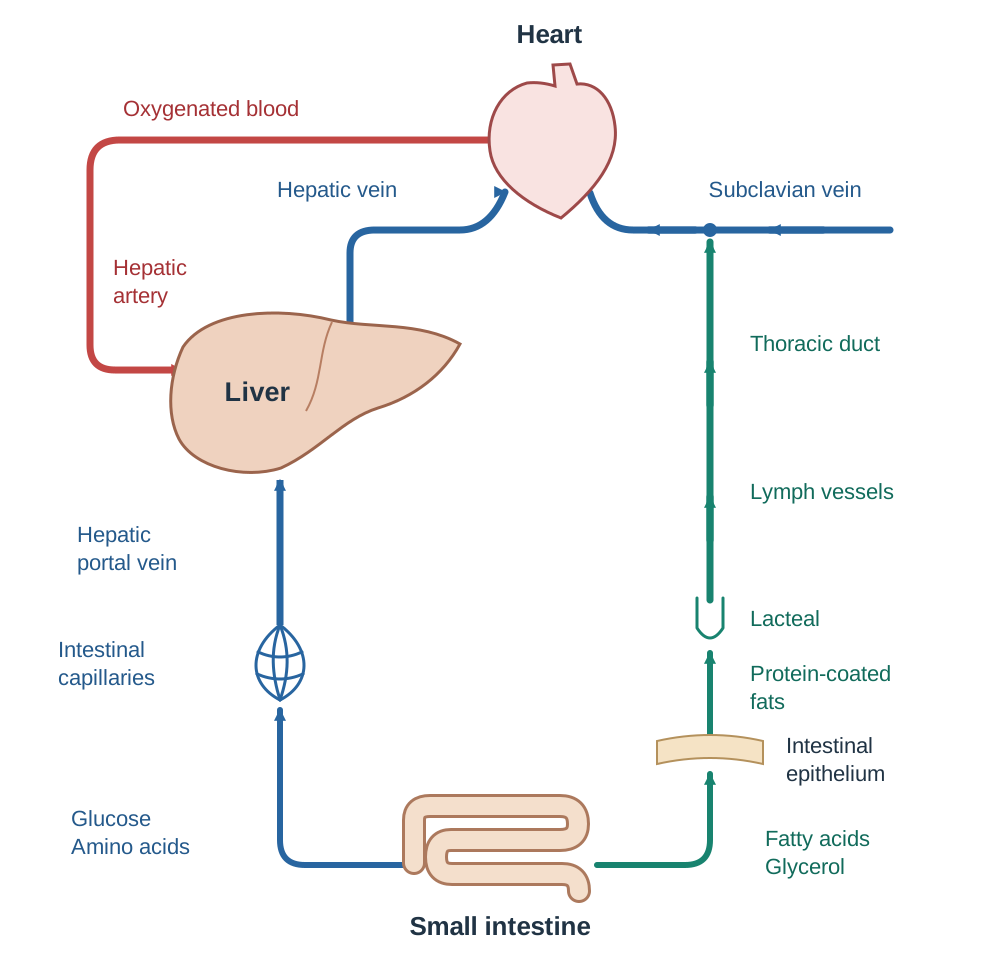
- Water-soluble nutrients: Glucose, amino acids, water-soluble vitamins, and minerals cross the intestinal epithelium into the blood capillaries by diffusion and active transport. These capillaries join together into venules, which form the hepatic portal vein. This vein carries the nutrient-rich blood directly to the liver before it enters general circulation.
- Lipid products: Fatty acids and glycerol enter the epithelial cells, recombine into fats, and receive a protein coating. These droplets pass into the lacteal. The lymph vessels carry them through the thoracic duct, which empties into a large vein (the subclavian vein) under the collarbone.
Liver Function and Nutrient Storage
The liver receives oxygenated blood from the hepatic artery and nutrient-rich blood from the gut through the hepatic portal vein. It processes and regulates these nutrients before returning blood to the heart via the hepatic vein.
Processing and Storage of Digestion Products
- Glucose: Excess glucose arriving from the gut is converted into glycogen and stored in the liver and skeletal muscles under the influence of insulin. When blood glucose drops, glycogen is converted back into glucose. Once glycogen stores are full, surplus glucose is converted into fat.
- Fatty acids and glycerol: After passing through the lymphatic system into the blood, fats are absorbed by cells and stored as fat in adipose tissue beneath the skin and around internal organs. This serves as an energy store, provides insulation, and cushions organs.
- Amino acids: The body cannot store excess amino acids. Surplus amino acids are broken down in the liver through deamination. The nitrogen-containing amino group () is removed and converted into urea, which is transported in the blood to the kidneys and excreted in urine. The remaining carbon skeleton is respired for energy or converted into glucose and glycogen.
The liver also manufactures bile, breaks down old red blood cells to recycle iron and excrete bile pigments, detoxifies chemicals like alcohol and drugs, and stores fat-soluble vitamins (A, D, E, K).
The Gut Microbiome
A microbiome is the community of microorganisms, including bacteria, fungi, viruses, and archaea, living in a specific environment. The human gut microbiome is concentrated in the large intestine, particularly the colon.
Gut bacteria help the body in three main ways:
- Digestion: They ferment dietary fibre and resistant starches that human enzymes cannot break down, producing short-chain fatty acids that nourish the cells lining the colon.
- Vitamin production: They synthesise essential vitamins, notably Vitamin K, which is needed for blood clotting, and several B-group vitamins.
- Metabolic health and immunity: Short-chain fatty acids produced by gut microbes help regulate blood glucose levels, appetite, and fat storage. A diverse gut microbiome is associated with a lower incidence of obesity and type 2 diabetes. Gut bacteria also interact with immune cells in the gut wall, helping the body learn to distinguish between harmless substances and pathogens, while competing with harmful bacteria for space and nutrients.
A diet rich in plant fibre supports a diverse gut microbiome. In contrast, broad-spectrum antibiotics and diets high in ultra-processed foods can reduce microbial diversity.
Dietary Choices, Health, and Sustainability
A balanced diet provides carbohydrates, proteins, lipids, vitamins, minerals, dietary fibre, and water in appropriate proportions to sustain life and growth.
How Dietary Needs Vary
- Age: Children and teenagers need proportionally more protein and calcium for growth and bone development. Older adults need adequate calcium and vitamin D to maintain bone density.
- Gender: Menstruating females require more dietary iron to replace blood losses and prevent anaemia. Pregnant females require extra folic acid and iron.
- Activity level: Active individuals and athletes need more carbohydrates for energy and extra protein for muscle repair, whereas sedentary individuals require lower total energy intake.
Health Impacts of Dietary Imbalances
- Excess intake: Consuming more energy than expended, particularly from refined sugars and saturated fats, leads to obesity, increasing the risk of type 2 diabetes and cardiovascular disease. High salt intake contributes to high blood pressure.
- Deficiencies: A lack of dietary fibre causes constipation and is linked to a higher risk of bowel disorders. Insufficient iron leads to anaemia. People eating strictly plant-based diets require fortified foods or supplements to obtain vitamin B12, which is naturally absent from plant foods.
Ecological and Sustainability Considerations
Food choices also carry environmental consequences. When humans consume meat, they feed one trophic level higher than when eating plants directly. Because roughly 90% of energy is lost between trophic levels, mainly through respiration and heat, producing livestock requires significantly more land, water, and crops than producing plant food directly. Ruminants also produce methane, a potent greenhouse gas.
However, agricultural realities vary: in parts of Ireland and other temperate regions, permanent grassland grows on land unsuitable for arable tillage, allowing cattle and sheep to convert non-edible pasture into human food. Evaluating food systems requires balancing land suitability, water resources, and nutritional value.
Key terms
- Ingestion
- The taking of food into the alimentary canal through the mouth.
- Digestion
- The breakdown of large, insoluble food molecules into small, soluble molecules that can be absorbed.
- Peristalsis
- The involuntary, wave-like alternating contraction and relaxation of muscles in the alimentary canal wall that pushes food forward.
- Chyme
- The semi-fluid mass of partially digested food and gastric secretions formed in the stomach.
- Emulsification
- The mechanical breakdown of large lipid globules into tiny droplets by bile salts, increasing the surface area for lipase action.
- Villi
- Tiny, finger-like projections of the intestinal lining that increase the surface area for the absorption of digested food.
- Microvilli
- Microscopic folds on the surface of intestinal epithelial cells that form a brush border and further increase absorptive surface area.
- Lacteal
- A blind-ended lymph vessel located in the centre of an intestinal villus that absorbs digested lipids.
- Hepatic Portal Vein
- The blood vessel that transports nutrient-rich blood directly from the capillary beds of the small intestine to the liver.
- Deamination
- The process in the liver where the amino group is removed from excess amino acids and converted into urea.
- Microbiome
- The community of microorganisms living in a particular environment, such as the human gut.
- Egestion
- The discharge of undigested, unabsorbed food material from the body as faeces through the anus.
- Excretion
- The removal from the body of waste products of cellular metabolism.
Check yourself
State one digestive function for each of the following: the oesophagus, the stomach, and the pancreas.
The oesophagus carries food to the stomach by peristalsis; the stomach churns food into chyme and begins protein digestion using pepsin; the pancreas secretes pancreatic juice containing digestive enzymes (amylase, lipase, trypsin) and sodium hydrogen carbonate into the duodenum.
Name the vessel that carries blood from the small intestine to the liver, and state one nutrient it carries in high concentration after a meal.
The hepatic portal vein; it carries glucose (or amino acids) in high concentration.
What is the function of sodium hydrogen carbonate in pancreatic juice and bile?
It neutralises acidic chyme arriving from the stomach, raising the pH in the duodenum to approximately 8 so that pancreatic and intestinal enzymes can operate at their optimum pH.
State two ways in which an intestinal villus is structurally adapted for the absorption of nutrients.
Its wall is only one cell thick, which minimises diffusion distance, and it contains an internal network of blood capillaries and a central lacteal for the rapid uptake and transport of digested nutrients.
What happens to excess amino acids in the liver, and why does this process occur?
They undergo deamination, where their amino group is removed and converted into urea for excretion by the kidneys. This occurs because the human body cannot store surplus amino acids.
State two distinct benefits provided to the human body by the gut microbiome.
Gut bacteria ferment undigested dietary fibre into beneficial short-chain fatty acids, synthesise essential vitamins such as Vitamin K and B vitamins, and help outcompete harmful pathogens.