

Bacteria are microscopic single-celled organisms that live almost everywhere on Earth. Unlike plant, animal, or fungal cells, bacteria are prokaryotic, meaning their genetic material is not enclosed inside a nucleus. Many bacteria are harmless or beneficial, such as the gut bacteria that aid human digestion and the species used to make cheese and yoghurt. Other bacteria are pathogenic and cause infectious diseases like food poisoning and tuberculosis. This topic covers bacterial cell anatomy, nutrition, reproduction by binary fission, experimental investigations into bacterial growth, industrial applications in bioreactors, and the essential roles bacteria play in human microbiomes and nutrient cycles.
Bacterial Cell Structure and Classification
All living organisms are grouped into three biological domains based on genetic differences, particularly in their ribosomal RNA:
- Bacteria: Single-celled prokaryotes with peptidoglycan cell walls.
- Archaea: Single-celled prokaryotes that are genetically distinct from bacteria, often inhabiting extreme environments such as hot springs or salt lakes.
- Eukaryota: Organisms composed of eukaryotic cells containing a true membrane-bound nucleus (including protists, fungi, plants, and animals).
Notice that the term prokaryotic does not mean "bacteria" alone; both Bacteria and Archaea are prokaryotes.
Bacterial Ultrastructure
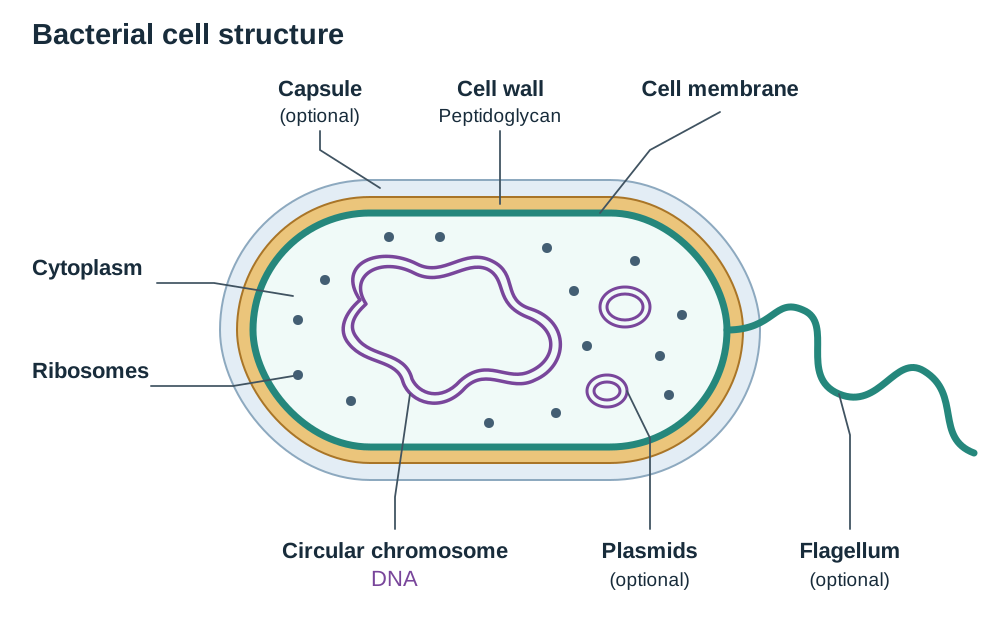
A bacterial cell contains several distinct structures:
- Cell wall: A rigid outer layer composed of peptidoglycan (a mesh of sugars and amino acids). It gives the cell its shape and stops it bursting when water enters by osmosis.
- Cell membrane: A selectively permeable phospholipid bilayer that regulates the entry and exit of materials.
- Cytoplasm: The jelly-like fluid inside the membrane where the cell's metabolic reactions happen. It contains ribosomes (smaller than eukaryotic ribosomes), which make proteins.
- Bacterial chromosome: A single, circular strand of double-stranded DNA floating freely in the cytoplasm in an area called the nucleoid. It contains all the genes essential for daily life and growth.
- Plasmids: Small, circular loops of DNA separate from the main chromosome. Plasmids replicate independently and often carry accessory genes, such as those for antibiotic resistance. They are widely used as vectors in genetic engineering.
- Capsule: A semi-solid protective layer outside the cell wall found in some species. It helps the cell stick to surfaces and protects it against attack by host white blood cells.
- Flagella: Whip-like protein appendages that rotate to propel motile bacteria through liquids.
Distinguishing Bacteria from Fungi (Rhizopus)
You need to be able to compare bacteria with a fungus such as Rhizopus (black bread mould):
| Feature | Bacteria | Fungi (Rhizopus) |
|---|---|---|
| Cellular nature | Prokaryotic (lacks a membrane-bound nucleus) | Eukaryotic (has a membrane-bound nucleus) |
| Cell wall | Composed of peptidoglycan | Composed of chitin |
| Internal organisation | No membrane-bound organelles | Has membrane-bound organelles (e.g. mitochondria, vacuoles) |
| Body form | Unicellular | Made of threads called hyphae, which form a mycelium |
| Nutrition | Autotrophic or heterotrophic | Strictly heterotrophic (saprophytic decomposer) |
| Reproduction | Asexual by binary fission | Asexual (spores) and sexual (zygospores) |
Nutrition, Binary Fission, and Survival
Some bacteria make their own food, while others feed on living organisms or dead matter:
- Autotrophic bacteria synthesise their own food from simple inorganic raw materials:
- Photosynthetic bacteria use light energy and pigments to make organic food. Some use water and release oxygen, while others use hydrogen sulphide and release sulphur.
- Chemosynthetic bacteria make food using energy released from chemical reactions. For example, nitrifying bacteria in the soil oxidise ammonia into nitrites and nitrates, trapping the released energy to produce food.
- Heterotrophic bacteria take in pre-formed organic food from external sources:
- Saprophytic bacteria live on dead organic matter. They secrete digestive enzymes externally and absorb the dissolved nutrients. These organisms are the primary decomposers in nutrient cycles.
- Parasitic bacteria obtain nutrients from living host organisms. By damaging host tissues or releasing toxins, they act as pathogens (disease-causing agents).
Binary Fission
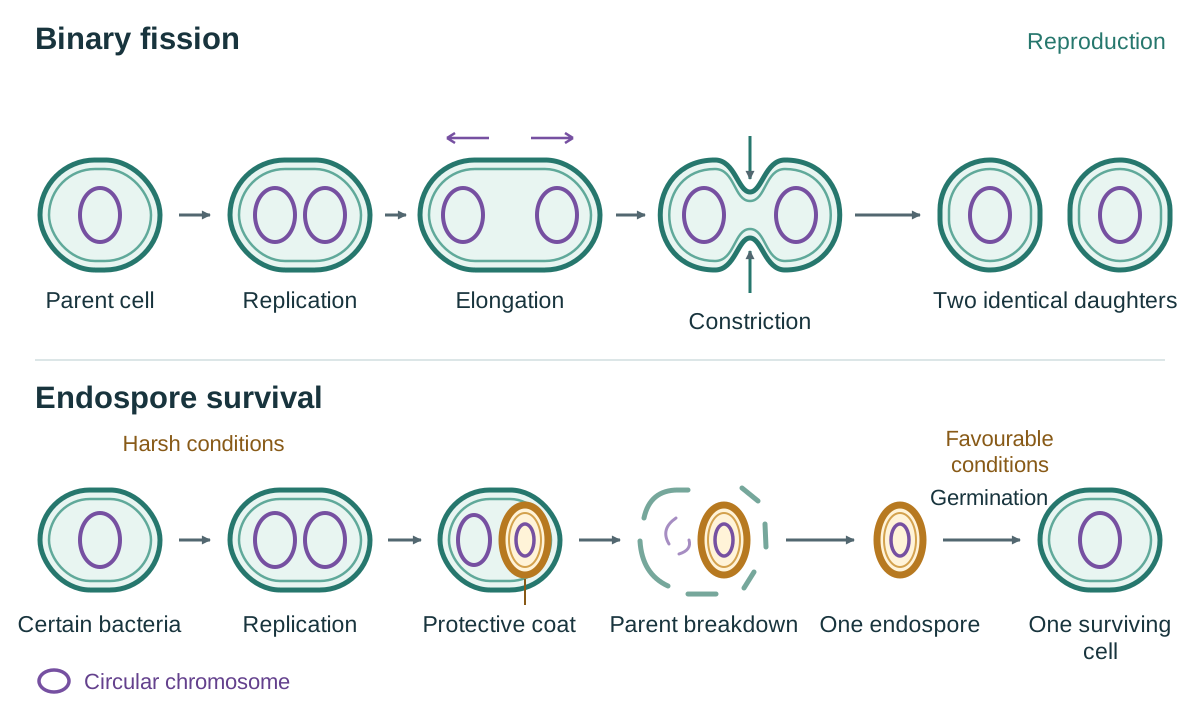
Bacteria reproduce asexually by a simple division process called binary fission:
- The single circular chromosome replicates to produce two identical DNA loops.
- The cell elongates, and the two chromosomes move toward opposite poles of the cell.
- The cell membrane and peptidoglycan wall pinch inward across the centre of the cell.
- The cell divides into two genetically identical daughter cells.
Because bacteria lack a nucleus and spindle apparatus, this process must never be called mitosis.
Endospore Formation
Under harsh environmental conditions—such as extreme heat, desiccation, or nutrient starvation—certain bacteria form resistant survival structures called endospores:
- The bacterial chromosome replicates.
- One copy condenses and is enclosed within a tough, protective wall, while the cytoplasm dehydrates.
- The parent cell breaks open, releasing the endospore.
When favourable conditions return, the endospore absorbs water, breaks its coat, and germinates back into an actively growing vegetative cell. Endospore formation is strictly a survival mechanism, not reproduction, because one cell produces only one spore.
Investigating Factors Affecting Bacterial Growth
The growth rate of microorganisms depends on several environmental factors:
- Temperature: Growth is fastest near an optimum temperature; low temperatures slow enzyme activity and growth, while high temperatures denature enzymes and kill cells.
- pH: Each species has an optimum pH (mostly near neutral); pH values far from the optimum denature enzymes and stop growth.
- Water: Water is essential as a medium for metabolic reactions.
- Nutrients: Microorganisms require a supply of food, such as a carbon source for energy, to synthesise cell components and divide.
- External solute concentration: High external salt or sugar concentration draws water out of cells by osmosis, stopping growth (used in food preservation like salting and jams).
- Antibacterial chemicals: Chemicals such as disinfectants, antiseptics, and antibiotics kill bacteria or stop their growth.
Investigating the Effect of Antibacterial Substances on Bacterial Growth
- Aim: To investigate the effect of different antibacterial chemicals (e.g. disinfectant, mouthwash, antiseptic) on bacterial growth.
- Independent variable: The antibacterial substance applied to the paper disc.
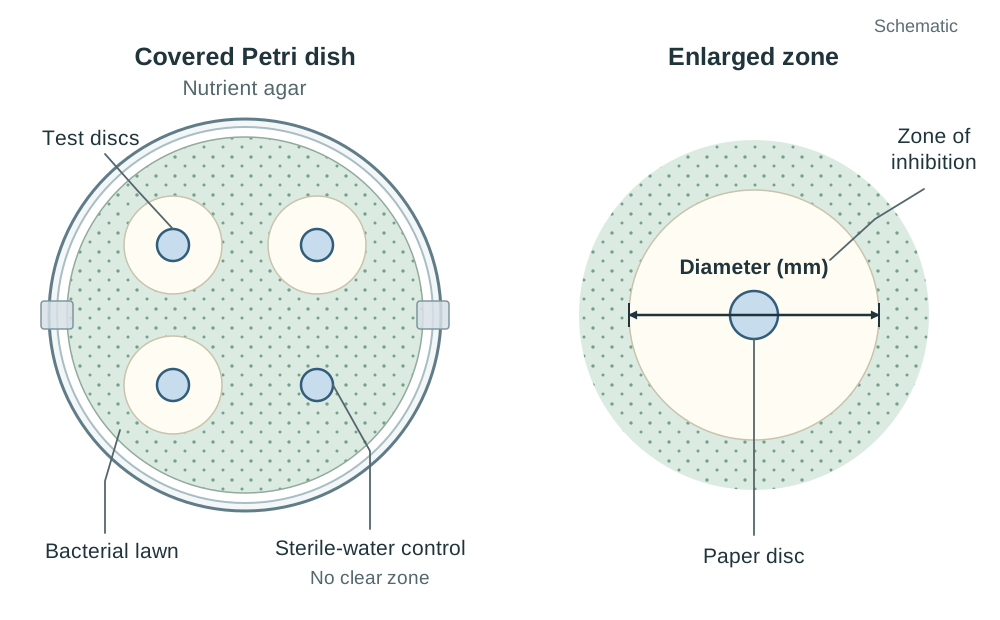
- Dependent variable: The diameter of the clear zone of inhibition around each disc (measured in mm).
- Controlled variables: Bacterial species and volume plated, nutrient agar composition, disc diameter, incubation temperature (25 °C), and incubation time (48 hours).
Method and Aseptic Technique
- Wipe the working bench with disinfectant to kill surface microbes.
- Flame the inoculating loop in a Bunsen flame until red hot to sterilise it, then allow it to cool in the air.
- Flame the neck of the bacterial culture bottle when opening and closing it to prevent airborne contamination.
- Open the Petri dish lid slightly at an angle—never take it off completely.
- Spread a lawn of harmless bacterial culture evenly across a sterile nutrient agar plate using the loop.
- Soak small, sterile filter paper discs in different test solutions.
- Soak one disc in sterile distilled water. This acts as the control, proving that the paper disc alone does not inhibit bacterial growth.
- Place the discs evenly spaced onto the agar using sterile forceps.
- Secure the dish with two small pieces of tape. Do not seal the lid completely, as this would create anaerobic conditions that favour harmful pathogens.
- Invert the plate and incubate upside down at 25 °C for 48 hours. Incubating upside down prevents condensation droplets from dripping onto the agar surface and smearing bacterial colonies.
- Measure the diameter of the clear zone around each disc with a ruler.
Safety Considerations
- Never incubate plates at 37 °C, as this temperature favours the growth of dangerous human pathogens.
- Never open a plate after incubation once colonies have formed.
- Autoclave all agar plates at 121 °C under steam pressure before disposal to ensure complete sterilisation.
Other factors can be tested using the same principles: placing plates in different temperature incubators, adjusting the agar pH, or adding varying salt or sugar concentrations to alter the external solute concentration.
Growth Curves and Industrial Biotechnology
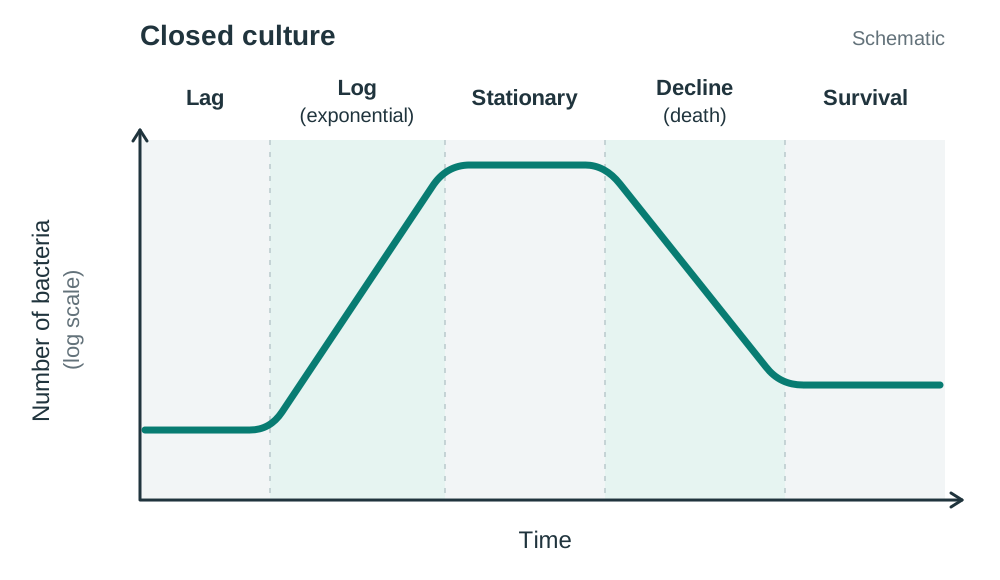
When bacteria are inoculated into a closed liquid culture with limited nutrients, their population follows a characteristic five-phase growth curve:
- Lag phase: Bacterial numbers remain steady. Cells are metabolically active, adapting to their new environment and synthesising the specific enzymes needed to digest available nutrients.
- Log (exponential) phase: Bacteria divide at their maximum rate by binary fission. Cell numbers double at regular intervals because nutrients, oxygen, and space are plentiful, and toxic wastes have not yet built up.
- Stationary phase: The total population plateaus. The rate of new cell production equals the rate of cell death because nutrients and space become depleted, and toxic waste products accumulate.
- Decline (death) phase: The death rate exceeds the reproduction rate. The population drops steeply as lethal amounts of waste accumulate and resources run out.
- Survival phase: A small number of cells stay alive for an extended period, for example by forming endospores (in species capable of doing so) or by surviving on nutrients released by dead, ruptured cells.
Using Growth Curves to Increase Industrial Yields
Microorganisms are grown commercially in large stainless steel vessels called bioreactors:
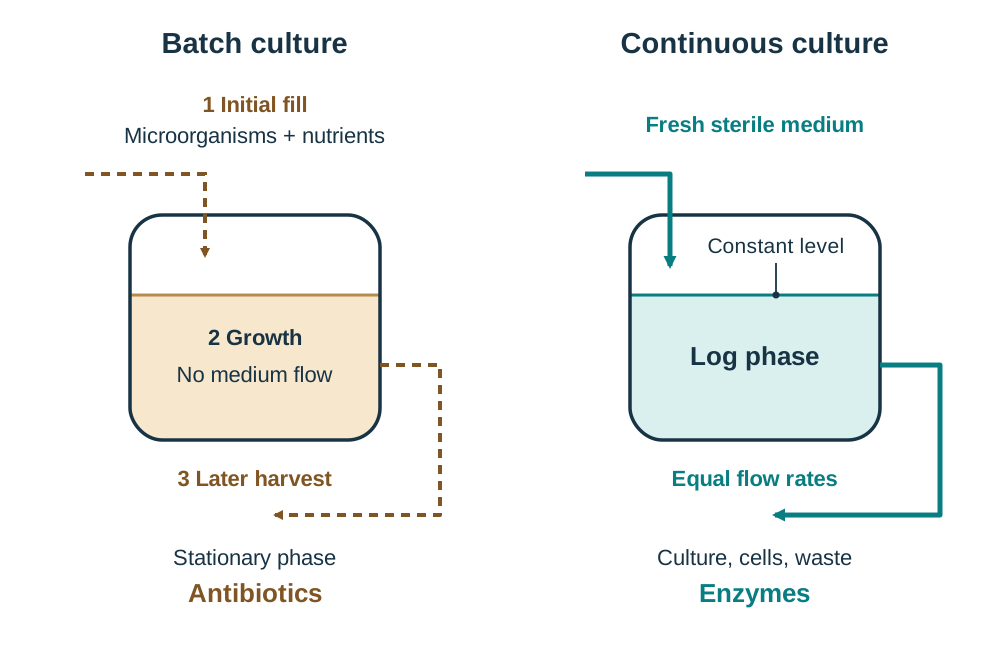
- Batch culture: Microorganisms and nutrients are placed in a closed bioreactor and allowed to progress through the lag, log, and stationary phases. The process is then stopped and the product harvested. This method is used to collect secondary metabolites like antibiotics, which cells produce during the stationary phase.
- Continuous flow culture: Fresh sterile liquid medium is continuously pumped into the bioreactor at the same rate that culture liquid, cells, and waste products are removed. This holds the bacteria permanently in their rapid log phase, maximising the output of primary products such as enzymes and microbial single-cell protein.
Importance of Bacteria in Industry
- Food production: Lactobacillus ferments lactose into lactic acid, which curdles milk proteins to produce yoghurt and cheese.
- Pharmaceutical industry: The soil bacterium Streptomyces produces medical antibiotics such as streptomycin.
- Medical industry: Genetically engineered bacteria manufacture human insulin to treat diabetes.
- Agricultural industry: Nitrogen-fixing bacteria associated with legume roots enrich soil nitrogen naturally, reducing reliance on chemical fertilisers.
Pathogens, Antibiotic Resistance, and Genetic Engineering
A pathogen is any microorganism that causes disease. Bacterial pathogens cause illnesses by destroying host tissues directly or by secreting harmful toxins.
Examples of bacterial diseases include:
- Tuberculosis (TB)
- Tetanus
- Food poisoning (e.g. caused by Salmonella)
- Whooping cough
Microbial diseases are prevented and controlled through several strategies:
- Vaccination: Stimulates active immunity by exposing the immune system to harmless antigens (e.g. the BCG vaccine for TB, the tetanus toxoid vaccine).
- Hygiene and food safety: Handwashing, clean water supplies, cooking food thoroughly, and refrigerating perishable goods.
- Antimicrobial chemicals: Disinfectants kill microbes on inanimate surfaces, whereas antiseptics are applied safely to living skin to clean wounds.
Antibiotics and Antibiotic Resistance
Antibiotics are chemical substances produced by microorganisms (or made synthetically) that kill or stop the growth of bacteria without harming host cells. They disrupt structures unique to bacteria, such as peptidoglycan wall construction or prokaryotic ribosomes. Antibiotics are completely ineffective against viruses because viruses have no cell wall, no ribosomes, and no independent metabolism.
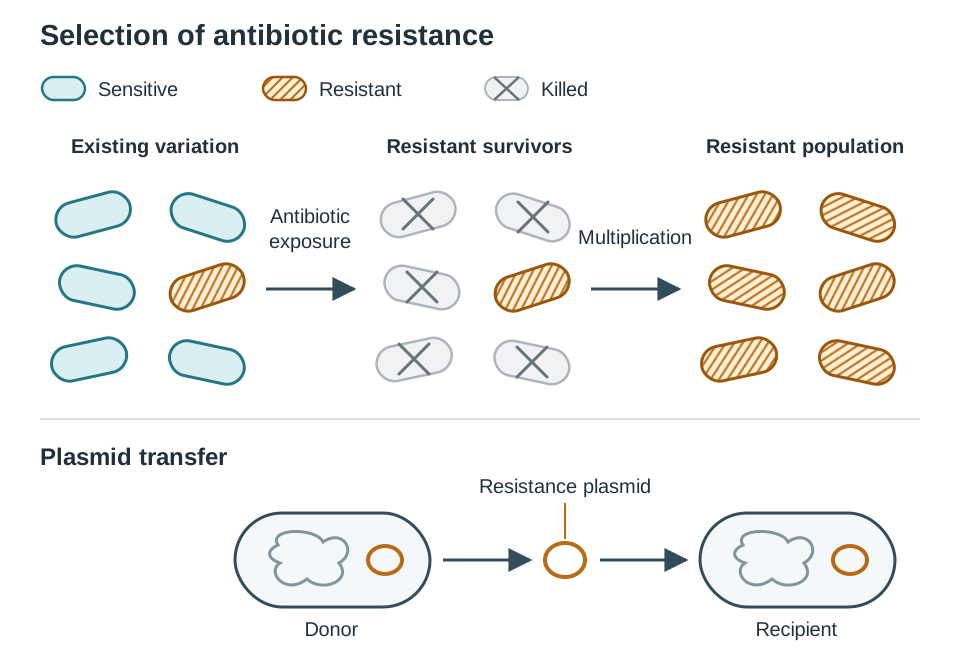
Antibiotic resistance develops by natural selection:
- Spontaneous mutations occasionally produce a gene conferring resistance to a particular antibiotic.
- When antibiotics are overprescribed or patients fail to finish their full course, sensitive bacteria are destroyed, but resistant variants survive.
- The surviving resistant bacteria multiply without competition.
- Resistance genes are frequently carried on plasmids, which can pass between different bacteria, spreading resistance rapidly.
- Strains such as MRSA (Methicillin-Resistant Staphylococcus aureus) become resistant to multiple antibiotics, making clinical infections difficult to treat.
Bacterial Plasmids in Genetic Engineering
Because plasmids are small, circular, and easily taken up by bacterial cells, they are standard cloning vectors:
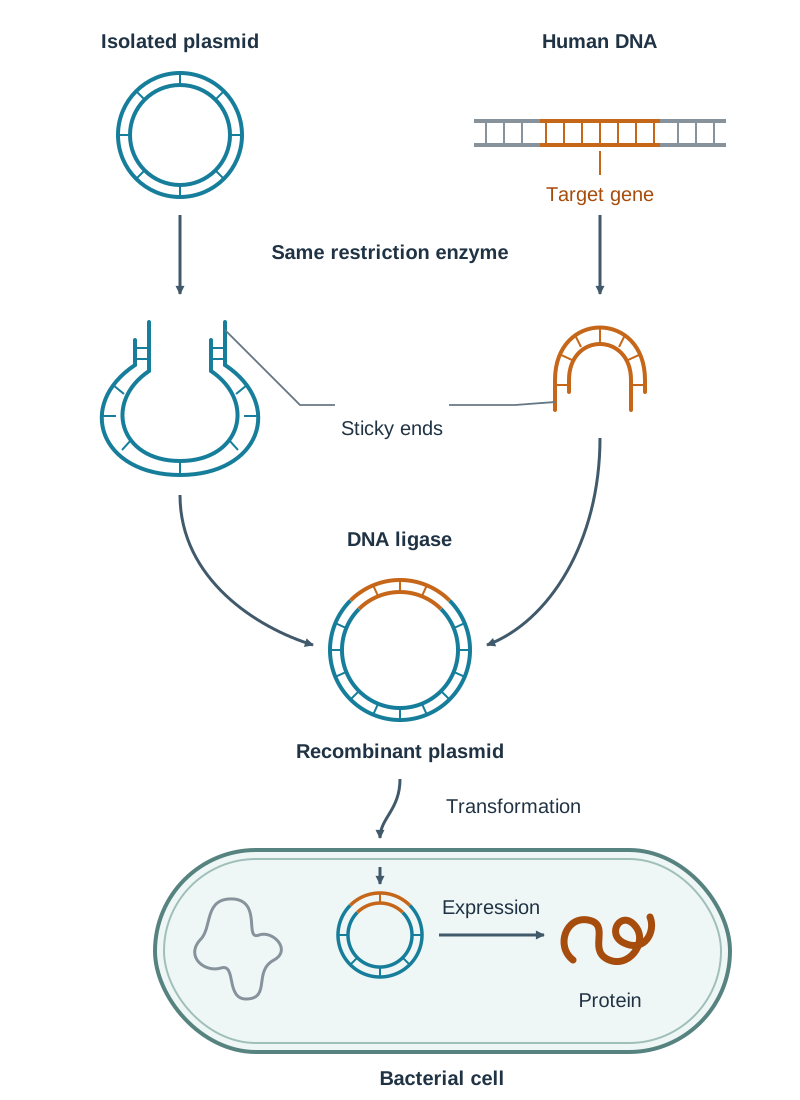
- Isolation: The plasmid DNA is extracted from a bacterium, and human DNA containing the target gene (e.g. the insulin gene) is extracted from human cells.
- Cutting: Both the plasmid and the human DNA are cut with the same restriction enzyme, producing matching single-stranded "sticky ends".
- Ligation: The sticky ends of the target gene and the plasmid base-pair together, and the enzyme DNA ligase seals the sugar-phosphate backbone permanently to create recombinant DNA.
- Transformation and Expression: The recombinant plasmid is introduced into host bacterial cells (transformation). The modified bacteria transcribe and translate the inserted gene to produce commercial human insulin (expression).
Microbiomes and Ecological Nutrient Cycles
A microbiome is the complete community of microorganisms—including bacteria, archaea, fungi, and viruses—together with their genes, residing in a particular habitat.
The Human Gastrointestinal Microbiome
The human large intestine contains trillions of microorganisms, roughly matching the total number of human cells in the body. This mutualistic community supports human health in several ways:
- Digestion: Bacteria ferment complex carbohydrates and dietary fibres that human enzymes cannot break down, producing short-chain fatty acids that nourish the gut lining.
- Vitamin production: Gut bacteria produce vitamin K (essential for blood clotting) and B-group vitamins such as biotin and folate.
- Immune protection: Commensal bacteria stimulate intestinal immune cells, training the immune system to distinguish harmless antigens from dangerous invaders. They also outcompete pathogenic species for nutrients and attachment space.
- Metabolic health: A balanced gut microbiome helps regulate blood lipid levels, promotes normal insulin sensitivity, and helps regulate hormones that control appetite.
The Soil Microbiome and the Nitrogen Cycle
Soil bacteria drive the continuous recycling of nitrogen between the atmosphere, soil, and living organisms. You do not need to memorise the Latin names of these bacteria; instead, describe them clearly by their ecological role:
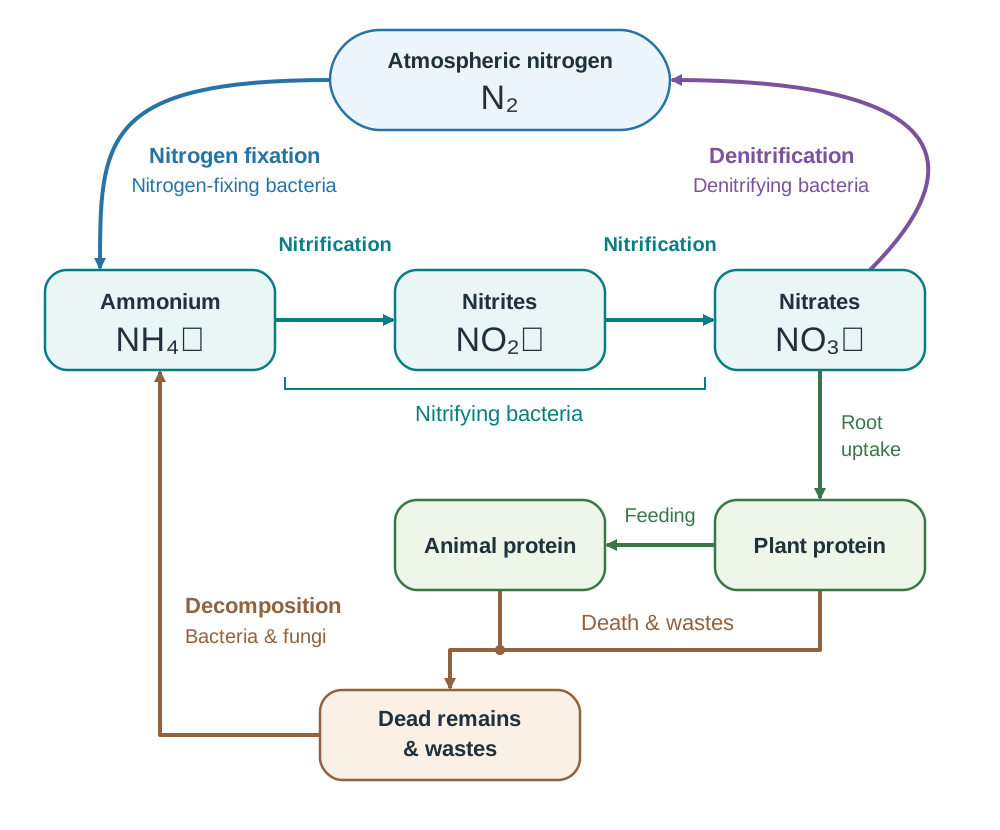
- Nitrogen fixation: Free-living soil bacteria and symbiotic bacteria in the root nodules of legumes (such as clover and peas) convert inert nitrogen gas () from the air into ammonium ().
- Decomposition: Saprophytic bacteria and fungi break down dead plant and animal remains, as well as urea and faeces, releasing ammonium back into the soil.
- Nitrification: Chemosynthetic nitrifying bacteria convert ammonium into nitrites () and then convert nitrites into nitrates (). Plants absorb these nitrates through their roots to make proteins.
- Denitrification: Anaerobic denitrifying bacteria convert soil nitrates back into atmospheric nitrogen gas (). This happens mostly in waterlogged, compacted soils where oxygen is scarce.
Sustainability and Climate Links
In the carbon cycle, saprophytic bacteria act as decomposers, releasing locked organic carbon back into the atmosphere as carbon dioxide () through cellular respiration. Climate warming also changes how soil microbiomes work. Higher soil temperatures speed up microbial respiration and decomposition, so more stored carbon is released as carbon dioxide (and more nitrous oxide may be released), which can contribute to further warming. Overusing chemical nitrogen fertilisers in agriculture runs off into waterways, triggering algal blooms and eutrophication. In wet soils, excess fertiliser feeds denitrifying bacteria, which produce nitrous oxide ()—a potent greenhouse gas that accelerates global climate change.
Key terms
- Prokaryotic
- Cells that lack a membrane-bound nucleus and membrane-bound organelles.
- Peptidoglycan
- The structural molecule made of sugars and amino acids that forms the rigid bacterial cell wall.
- Plasmid
- A small, circular loop of non-chromosomal DNA found in bacteria that replicates independently.
- Binary Fission
- A form of asexual reproduction in bacteria where one cell divides into two genetically identical daughter cells.
- Endospore
- A tough, dormant, resistant structure formed inside certain bacteria to survive harsh conditions.
- Chemosynthetic
- Organisms that make their own food using energy released from chemical reactions.
- Saprophytic
- Organisms that obtain nutrients by externally digesting and absorbing dead organic matter.
- Pathogen
- Any disease-causing organism.
- Antibiotic
- A chemical substance produced by microorganisms that kills or stops the growth of bacteria.
- Antibiotic Resistance
- The ability of a bacterial population to survive exposure to an antibiotic that would normally kill it.
- Microbiome
- The complete community of microorganisms and their genes inhabiting a particular habitat or organism.
- Nitrogen Fixation
- The conversion of atmospheric nitrogen gas (N2) into nitrogen compounds like ammonium by bacteria.
- Nitrification
- The biological conversion of ammonia or ammonium into nitrites and then nitrates by chemosynthetic bacteria.
- Denitrification
- The conversion of nitrates into atmospheric nitrogen gas by anaerobic bacteria in the soil.
Check yourself
What chemical makes up the bacterial cell wall?
Peptidoglycan.
Why is a paper disc soaked in sterile distilled water included in an antibacterial disc-diffusion investigation?
It serves as the control, proving that any clear zone of inhibition around other discs is caused by the antibacterial chemical and not by the paper disc itself.
Why are Petri dishes incubated upside down?
To prevent condensation from collecting on the lid and dripping onto the agar, which would smear the colonies.
In a liquid batch culture, a bacterial population rises from 2,000 to 32,000 cells between hour 2 and hour 6. Identify the growth phase and calculate the number of generations (doublings).
The cells are in the log (exponential) phase. The population doubled 4 times: 2,000 → 4,000 → 8,000 → 16,000 → 32,000.
Name two vitamins synthesised by symbiotic bacteria in the human large intestine.
Vitamin K and B-group vitamins (such as biotin or folate).
What is the specific role of the enzyme DNA ligase in genetic engineering?
DNA ligase joins the sticky ends of the target gene and the cut plasmid together by permanently sealing the sugar-phosphate backbone, creating recombinant DNA.