

Soil is a living, finite natural resource that underpins Irish agriculture, providing anchorage, water, and nutrients for crops and grassland. In Leaving Certificate Agricultural Science, soil is studied through four interconnected dimensions: physical properties (texture, structure, pore space, and water movement), chemical properties (pH, cation exchange, and flocculation), biological systems (the microbiome, earthworms, organic matter, and the carbon and nitrogen cycles), and responsible field management. Understanding soil requires mastering both theoretical principles and specified laboratory and field practicals, alongside the safety precautions needed when operating machinery and agitating slurry.
Soil Formation, Weathering, and Irish Soil Groups
Soil forms over thousands of years as bedrock breaks down and mixes with decaying organic matter. Five interacting factors govern soil development: parent material (determines mineral composition, native texture, and initial pH), climate (rainfall drives leaching while temperature governs biological rates), living organisms (microbes, plants, and earthworms incorporate organic matter and recycle nutrients), topography (slope affects runoff, erosion, and drainage), and time.
Weathering
Weathering is the breakdown of rock in place without the transport of the resulting fragments.
- Physical weathering: Rock fractures mechanically without chemical alteration. In freeze-thaw, water enters cracks, expands by roughly 9% upon freezing, and exerts massive pressure that shatters the rock over repeated cycles. Temperature fluctuations also cause rock to expand and contract unevenly.
- Chemical weathering: Rock minerals undergo chemical change. In carbonation, rainwater absorbs atmospheric carbon dioxide to form weak carbonic acid (), which dissolves limestone () into soluble calcium hydrogencarbonate (). In hydrolysis, water reacts with minerals such as feldspar in granite to form clay. In oxidation, oxygen reacts with iron compounds, creating red-brown ferric oxides.
- Biological weathering: Plant roots push into rock fissures and prize them apart as they grow, while lichens, fungi, and bacteria exude organic acids that dissolve rock surfaces.
Soil Horizons and Profiles
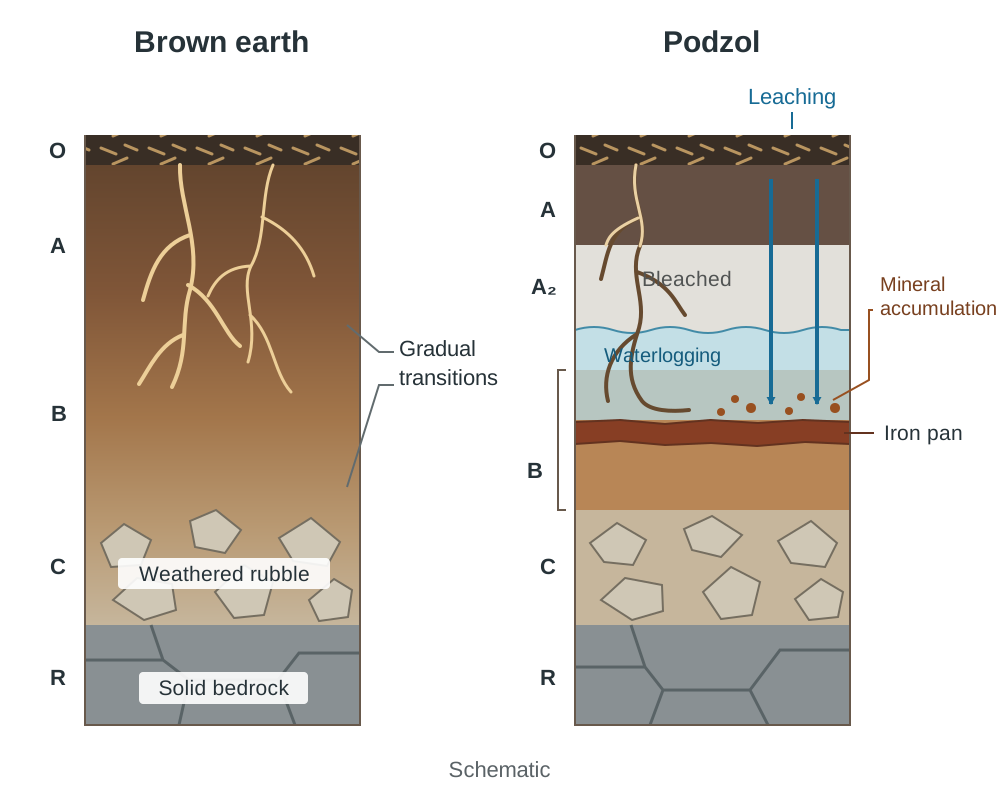
A vertical section through mature soil reveals distinct horizontal layers called horizons:
- O horizon: Surface organic layer consisting of leaf litter and decomposing organic matter.
- A horizon (topsoil): Dark, biologically active layer rich in humus and mineral particles, holding the vast majority of plant roots.
- B horizon (subsoil): Zone of accumulation where leached minerals, clay, and iron compounds gather.
- C horizon (parent material): Weathered rock rubble from which the overlying horizons formed.
- R horizon: Solid, unweathered bedrock.
A brown earth displays gradual, indistinct transitions between its A, B, and C horizons because earthworms and organisms continuously mix the soil.
Major Irish Soil Groups
- Brown Earths: Uniform brown soils developed on base-rich, limestone-derived glacial drift across the east, south, and midlands. They are well aerated, freely drained, and hold high natural fertility, making them the most versatile soils in Ireland for continuous tillage, horticulture, and high-output grassland.
- Podzols: Acidic soils formed in wet uplands (such as the Wicklow Mountains and western granitic regions) under heavy rainfall, acidic parent rock, and heath vegetation. Intense leaching washes iron and aluminium oxides out of the upper profile, leaving a severely bleached, ash-grey horizon. In the subsoil, these minerals precipitate to form a cemented, impermeable iron pan in the B horizon. The iron pan prevents downward drainage, creating waterlogged conditions above it, and blocks root expansion. Farmers reclaim podzols by deep ploughing or subsoiling to shatter the iron pan, which improves drainage and aeration, lets crop roots penetrate deeper, and brings leached nutrients back into the topsoil. This is followed by heavy applications of lime and fertilisers.
- Gleys: Poorly drained soils found extensively in the drumlin belt of Cavan, Monaghan, and Leitrim, as well as parts of Clare and Limerick. Gleys form where groundwater levels are permanently high or where impermeable parent materials restrict water movement. Under these anaerobic, waterlogged conditions, anaerobic bacteria reduce ferric iron () to ferrous iron (), producing a characteristic mottled grey-blue subsoil (gleying). Gleys have a very short grazing season and high poaching risk, requiring artificial drainage for productive grass production.
- Peat Soils: Organic soils containing over 30% organic matter. Basin or raised bogs formed in low-lying midland hollows, whereas blanket bogs formed in wet, high-rainfall upland and western coastal landscapes. Peat accumulates because permanent waterlogging creates an anaerobic environment that halts microbial decomposition. Undisturbed peat serves as a critical long-term carbon sink. Once drained, peats are prone to subsidence and erosion, requiring careful nutrient and water management.
Physical Properties: Texture, Structure, Compaction, and Water
The physical traits of a soil determine root exploration, water retention, aeration, and workability.
Soil Texture
Soil texture is the relative proportion of sand (2.0–0.02 mm), silt (0.02–0.002 mm), and clay (<0.002 mm) mineral particles. Texture is a permanent characteristic that cannot be altered by normal farm practices.
| Heading | Clay soil | Sandy soil |
|---|---|---|
| Fertility | High (large surface area and charges hold cations) | Low (nutrients leach readily through large voids) |
| Temperature | Cold (holds water, which has a high specific heat capacity) | Warm (drains freely and warms rapidly in spring) |
| Drainage | Poor (slow water movement through tiny micropores) | Good (rapid infiltration through abundant macropores) |
| Ease of tilling | Difficult (heavy, sticky when wet; hard clods when dry) | Easy (light, non-cohesive, low draft requirement) |
| Water retention | High (holds high volume, but much is held too tightly) | Low (drought-prone during dry spells) |
A loam soil is a balanced mixture of sand, silt, and clay (roughly 40% sand, 40% silt, and 20% clay) where no single fraction dominates its behaviour. Loams are easily tilled, drain well, stay well aerated, warm up reliably in spring, and retain sufficient nutrients and moisture for optimal crop growth.
Soil Temperature
Soil temperature governs seed germination, root elongation, and microbial nutrient release. Factors influencing temperature include:
- Moisture content: Wet soils require substantially more thermal energy to warm up than dry soils because water has a high specific heat capacity. Draining wet land warms it up earlier in spring.
- Colour: Darker soils rich in organic matter absorb more solar radiation than light-coloured soils.
- Texture: Sandy soils drain faster and warm up several weeks before heavy clays.
- Aspect: South-facing slopes in Ireland receive more direct solar radiation.
Farm application: Early potato production in north County Dublin relies on south-facing, light, sandy soils that warm early in spring.
Soil Structure and Total Pore Space
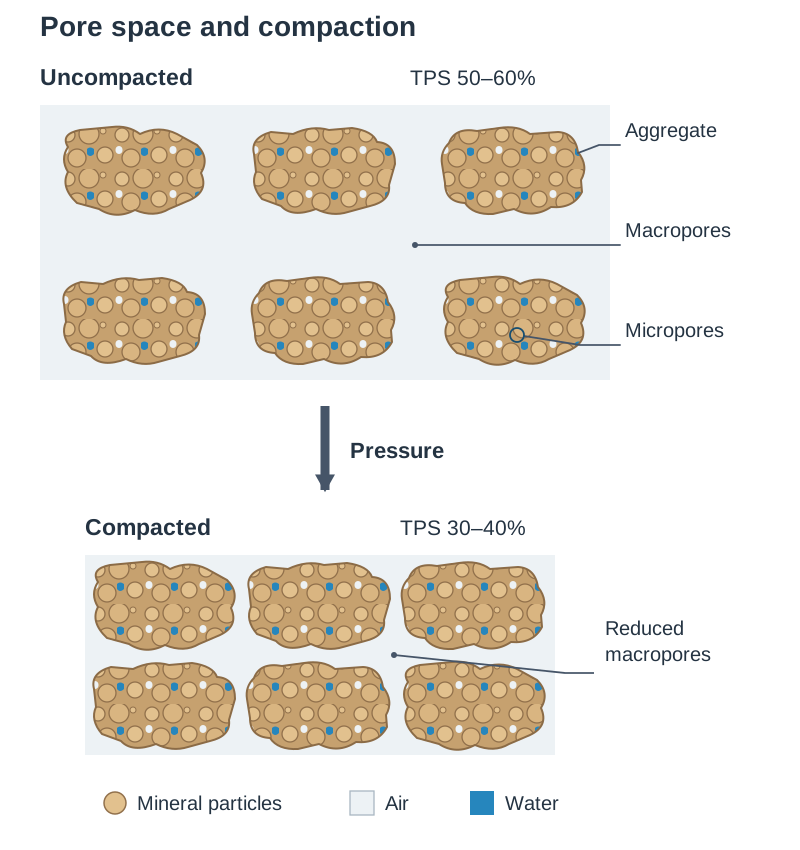
Soil structure refers to the way individual sand, silt, and clay particles bind together into secondary units called aggregates or crumbs. Stable crumb structure relies on microbial gums, fungal hyphae, earthworm secretions, and calcium-mediated flocculation.
- Macropores (>0.05 mm): Allow excess gravitational water to drain away and permit air exchange for root respiration.
- Micropores (<0.05 mm): Retain plant-available capillary water against gravity.
Total Pore Space (TPS) is the percentage of total soil volume occupied by voids containing air and water. In a healthy, uncompacted loam, TPS is 50–60%. When soil is crushed, TPS drops to 30–40%.
Soil Compaction
Soil compaction occurs when external mechanical pressure compresses soil aggregates together, destroying macropores.
- Causes: Driving heavy machinery on wet ground, livestock poaching (hoof damage in wet conditions), over-tillage, and repeated ploughing to the same depth which creates a dense plough pan.
- Effects: Severely reduced aeration causing root suffocation, impeded root elongation, low infiltration leading to surface ponding, increased runoff carrying topsoil and nutrients into streams, and depressed crop yields.
- Remedies and prevention: Mechanically shattering pans with a subsoiler, fitting low-ground-pressure tyres, establishing designated tramlines, keeping machinery and livestock off saturated ground, using minimum tillage, and raising organic matter levels.
Organic Matter Loss, Erosion, and Sedimentation
Organic matter loss lowers nutrient supply, CEC, crumb stability and water-holding capacity, and reduces soil life. Reduce it by spreading farmyard manure or slurry, incorporating straw, growing cover crops, using minimum tillage and rotating tillage with grass leys.
Erosion is the removal of topsoil by water or wind, mainly from bare ground. The soil washed into rivers settles out (sedimentation) and damages water quality and fish spawning beds. Prevent it by keeping soil covered, leaving buffer strips beside watercourses, ploughing across slopes rather than up and down them, and avoiding overgrazing and poaching.
Capillarity vs. Infiltration
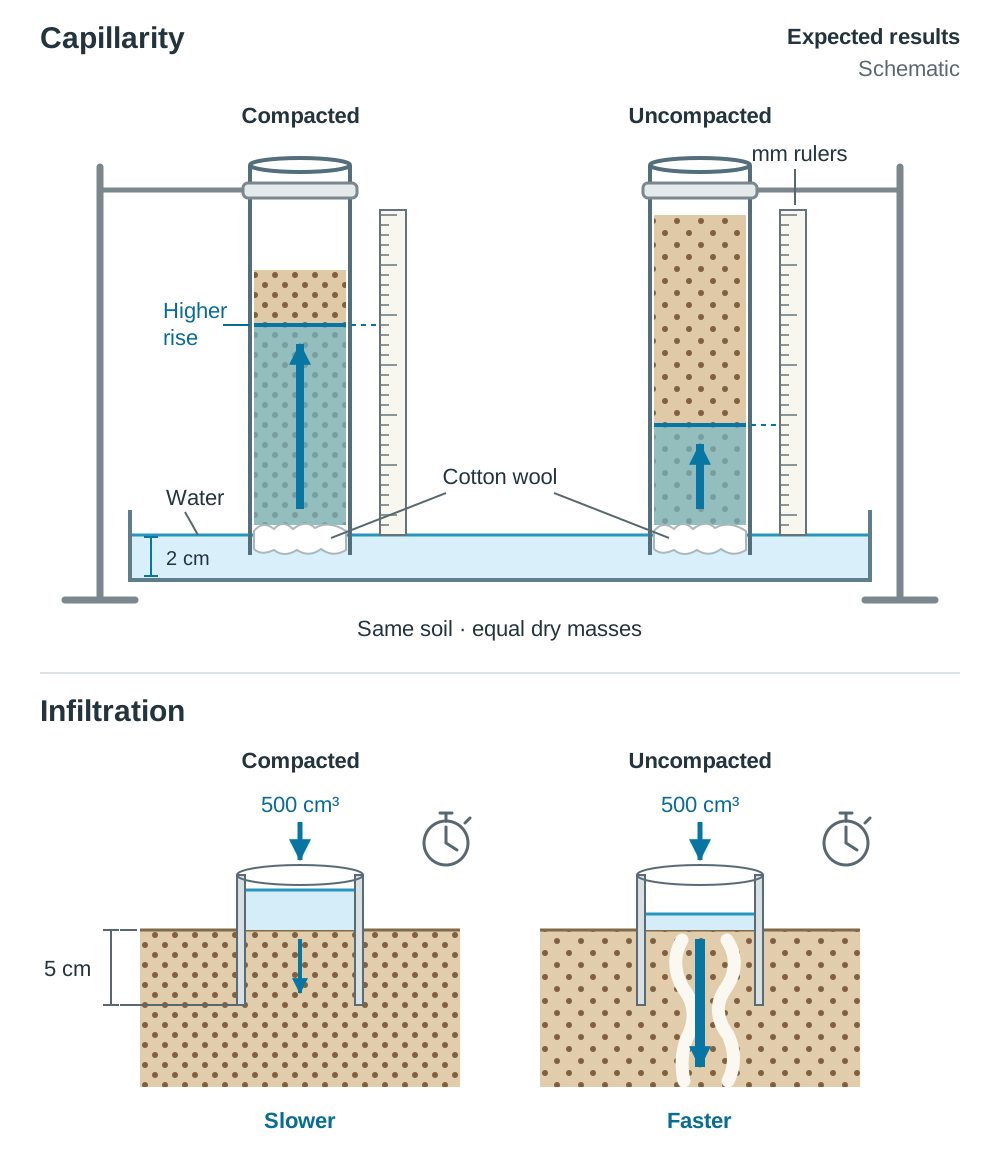
- Capillarity is the upward movement of water through narrow soil pores against gravity, governed by surface tension and adhesive attraction between water and pore walls. Narrow micropores generate stronger capillary lift than wide macropores. Therefore, water rises higher in a tube of compacted soil than in uncompacted soil.
- Infiltration rate is the downward entry of water into the soil surface under gravity. Infiltration relies entirely on open macropores. Compacting a soil collapses macropores, which drastically lowers the infiltration rate and causes ponding, soil erosion, and nutrient runoff.
Chemical Properties: Nutrients, CEC, pH, Liming, and Flocculation
Plants absorb nutrients from the soil solution as dissolved, inorganic ions.
- Macronutrients: Needed in large amounts. Nitrogen (N) as nitrate () and ammonium () powers vegetative growth and protein synthesis. Phosphorus (P) as orthophosphates (, ) promotes root growth and cellular energy transfer (). Potassium (K) as controls stomatal regulation, osmoregulation, and disease resistance. Secondary macronutrients include calcium () for cell walls, magnesium () as the central atom of chlorophyll, and sulphur () for essential amino acids.
- Trace elements (micronutrients): Essential in tiny quantities. Iron (Fe) is needed for chlorophyll synthesis; manganese (Mn) activates metabolic enzymes; boron (B) governs cell division (deficiency causes heart rot in sugar beet); copper (Cu) and zinc (Zn) drive enzyme functions; and molybdenum (Mo) is required by root nodule bacteria for nitrogen fixation. Trace elements like cobalt (Co) and selenium (Se) are not required by plants but are vital for grazing animals; low soil levels lead to deficiency diseases like pine in sheep.
Cation Exchange Capacity (CEC)
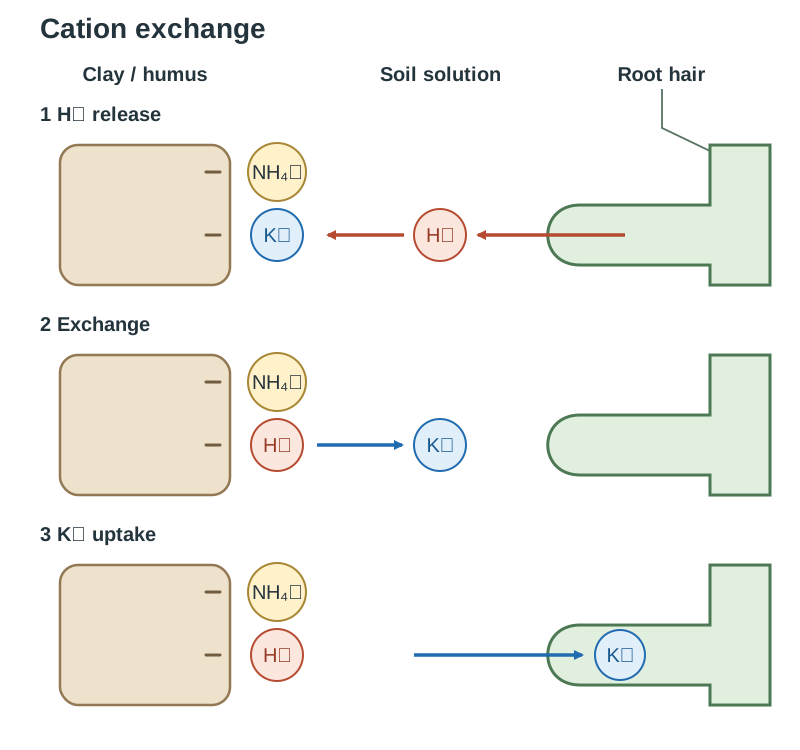
Clay particles and humus carry negative charges on their surfaces. They attract and hold positively charged nutrient ions (cations) such as , , , and , preventing them from being leached away by rainfall. Cation Exchange Capacity (CEC) is the capacity of a soil to adsorb and exchange these cations with the soil solution.
When plant roots respire, they release carbon dioxide (), which reacts with soil water to yield carbonic acid, dissociating into hydrogen ions (). Root hairs release these ions into the soil solution. The ions exchange with nutrient cations adsorbed on clay and humus colloids, displacing them into the soil solution where roots absorb them. Soils high in clay and organic matter have a high CEC, acting as a fertile nutrient reservoir.
Soil pH and Liming
Soil pH is a measure of the acidity or alkalinity of the soil solution, depending on the concentration of hydrogen ions (). Most agricultural crops grow best within a slightly acidic to neutral range of pH 6.0 to 7.0. Barley is sensitive to acidity and grows best at about pH 6.5 (within the 6.0–7.0 window), while productive grassland targets pH 6.2–6.5.
- Low pH (acidic soils, pH < 6.0): Aluminium () becomes soluble and toxic, severely stunting root tips. Phosphorus becomes locked up (immobilised) as insoluble aluminium and iron phosphates. Earthworm and bacterial activity declines sharply.
- High pH (alkaline soils, pH > 7.0, often from over-liming): Phosphorus becomes tied up with calcium. Vital trace elements such as manganese, boron, copper, and iron become chemically insoluble and unavailable, triggering severe deficiency symptoms like manganese deficiency (grey speck) in cereals.
- Liming: Applying ground agricultural limestone (calcium carbonate, ) neutralises excess ions, raises soil pH into the target zone, and unlocks immobilised phosphorus. If soil testing reveals magnesium deficiency, dolomitic limestone () is applied instead. Lime must only be applied based on the laboratory lime requirement (t/ha).
Flocculation and Deflocculation
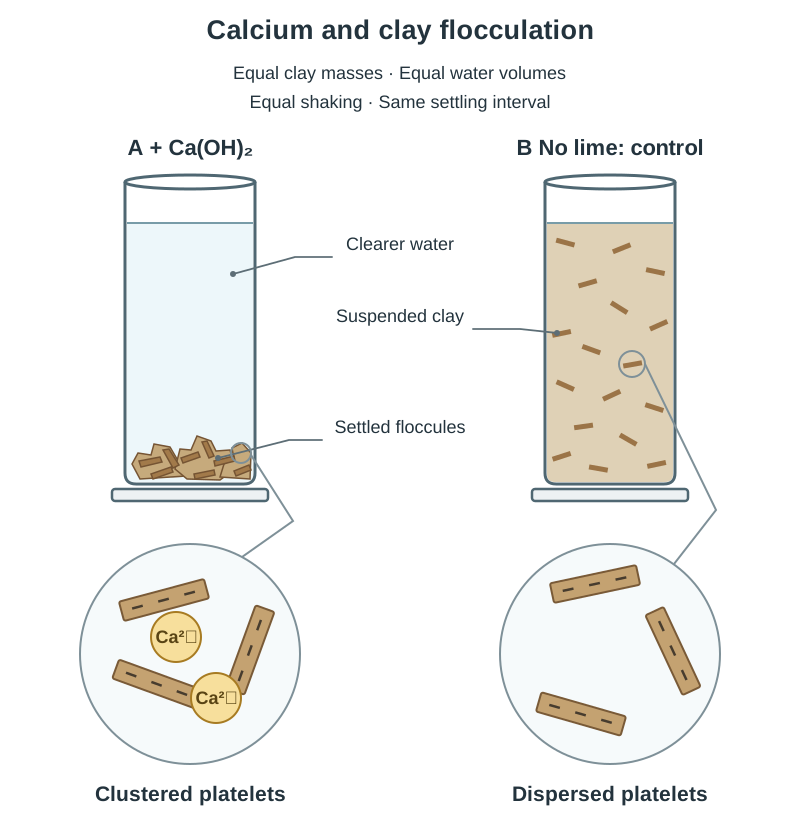
Flocculation is the clustering of individual, microscopic clay particles into stable crumbs. Divalent cations like calcium () have two positive charges. They neutralise negative charges on clay surfaces and draw neighbouring platelets together via electrostatic bridges, creating porous crumbs that promote aeration and drainage.
Conversely, monovalent sodium ions () possess a weak charge and a large hydrated shell, forcing clay platelets apart. This causes deflocculation (dispersion), breaking down aggregates into a dense, structureless, impermeable slurry that sets hard when dry.
Biological Features: Microbiome, Cycles, and Organic Matter
Soil organisms break down organic matter, release nutrients, and build stable soil structure.
The Rhizosphere and Mycorrhizal Fungi
The rhizosphere is the narrow zone of soil directly influenced by living plant roots. Roots release organic exudates (sugars, amino acids, and vitamins) that sustain vast populations of microbes. Many plants form symbiotic mutualisms with mycorrhizal fungi. The microscopic fungal hyphae radiate far beyond the root hairs into microscopic pores, dramatically increasing the surface area for absorbing water and poorly mobile nutrients, especially phosphorus. In return, the plant provides the fungus with photosynthesised carbohydrates.
Earthworms
Earthworms improve the soil by tunneling through the profile, which creates continuous macropores that improve aeration and water infiltration. They consume mineral soil and organic residues, pulling surface litter underground. Their digestive tracts excrete worm casts that concentrate available nitrogen, phosphorus, and potassium while cementing particles into water-stable crumbs.
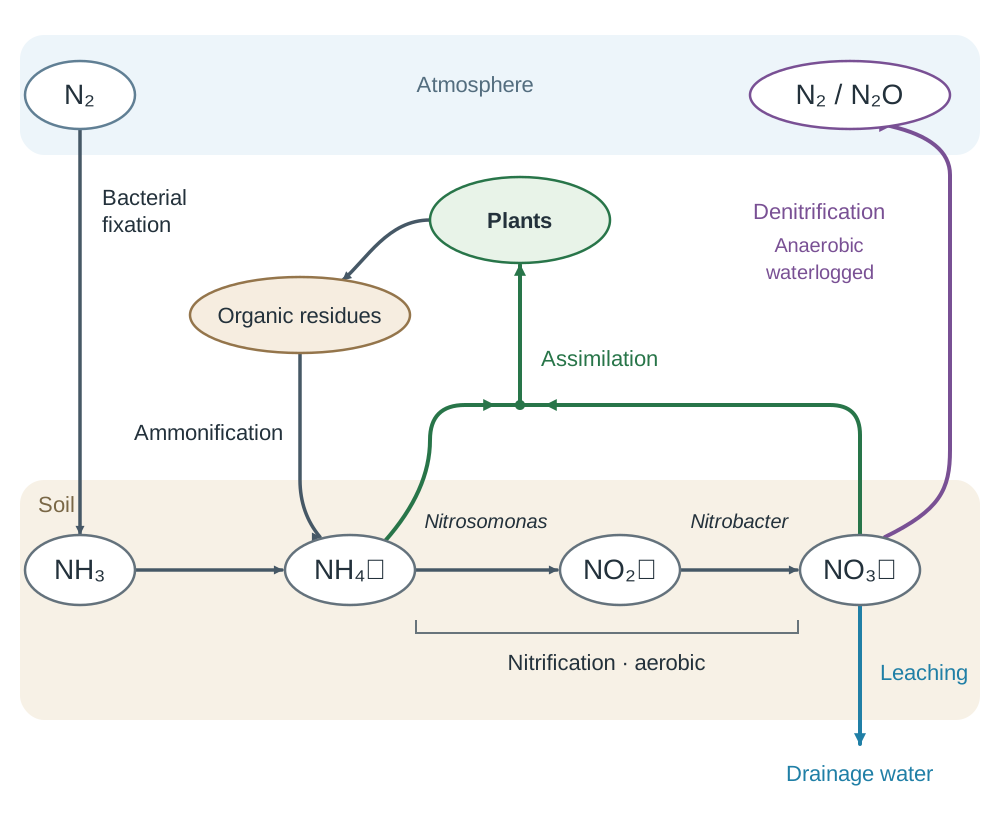
The Nitrogen Cycle
Nitrogen moves between the atmosphere, soil, and living tissues through biological steps:
- Nitrogen Fixation: Atmospheric nitrogen gas () is converted into ammonia () by free-living bacteria (Azotobacter) or symbiotic bacteria (Rhizobium) inhabiting root nodules of leguminous plants like white clover (Trifolium repens).
- Ammonification (Mineralisation): Decomposer bacteria and fungi convert proteins and nitrogenous wastes in organic residues into ammonium ().
- Nitrification: Aerobic bacteria oxidise ammonium into plant-usable nitrate in two distinct stages: Nitrosomonas converts into nitrite (), and Nitrobacter oxidises into nitrate ().
- Assimilation: Crop roots absorb and from the soil solution to synthesise plant proteins and nucleic acids.
- Denitrification: In waterlogged, anaerobic soils lacking oxygen, denitrifying bacteria (such as Pseudomonas) reduce nitrate back into nitrous oxide () and inert nitrogen gas (), reducing soil fertility and releasing a potent greenhouse gas.
- Leaching: Highly soluble nitrate ions (), carrying a negative charge, are not held by clay or humus colloids and wash out in drainage water.
The Soil Carbon Cycle and Organic Matter
Plants capture atmospheric carbon dioxide () during photosynthesis and incorporate it into biomass. Carbon enters the soil as root exudates, crop residues, dead root systems, and livestock manure. Soil decomposers break down this material, releasing back to the atmosphere through respiration. A portion resistant to rapid breakdown forms dark, amorphous humus.
- Soil Organic Matter (SOM): Improves soil crumb stability, water-holding capacity, and CEC.
- Tillage vs. Grassland: Continuous tillage depletes SOM because annual ploughing injects oxygen into the profile, accelerating microbial respiration which oxidises soil carbon into . In contrast, permanent grassland preserves and builds SOM through continuous root turnover and animal dung without soil disturbance.
- Soil Carbon Sequestration: Storing atmospheric carbon long term in soil as organic matter. Peat bogs accumulate vast carbon stores because anaerobic, waterlogged conditions inhibit decomposers.
Soil Management, Sampling, and Farm Safety
Proper management maintains soil fertility, protects waterways, and ensures operator safety.
Soil Sampling Protocol
Fields should be sampled every 3 to 5 years between October and February, when crop uptake has ceased and at least 3 months have elapsed since chemical fertiliser or slurry applications.
- Sampling method: Walk a representative 'W' pattern across the field using a core sampler. Take at least 20 soil cores to a uniform depth of 10 cm for grassland (or 15 cm for tillage, to plough depth). Avoid unrepresentative zones such as gateways, headlands, drinking troughs, lime heaps, and dung pats.
- Composite sample: Combine and mix all cores in a clean bucket. One composite sample should represent no more than 2 to 4 hectares of uniform land.
- Soil Index System: Available phosphorus (P) and potassium (K) are reported from Index 1 (very low fertility, major crop response to fertiliser) to Index 4 (excess fertility, no fertiliser response; risk of nutrient loss). The target for productive farms is Index 3.
- Worked field recommendation: A field soil test reads pH 5.6, P Index 1, and K Index 3. The agronomist advises applying lime according to the lab lime requirement (t/ha) to lift the pH towards 6.3–6.5. For phosphorus, apply extra fertiliser to build soil reserves from Index 1 to Index 3. For potassium, apply only maintenance levels to replace crop off-take since the soil is already at target Index 3.
Environmental Protection
- Water Quality: Excessive nitrogen and phosphorus applications lead to nutrient runoff and leaching into surface waters, causing eutrophication (rapid algal blooms that consume dissolved oxygen when decomposing, causing fish kills). Farmers must observe statutory closed spreading periods under the Nitrates Regulations, maintain uncultivated buffer strips along waterways, and refrain from spreading on frozen, waterlogged, or steeply sloping ground.
- Air Quality and Greenhouse Gases: Surface-spread slurry volatilises ammonia gas (). Using Low-Emission Slurry Spreading (LESS) equipment, like the trailing shoe or dribble bar, deposits slurry directly onto the soil surface beneath the grass canopy, drastically cutting ammonia emissions and retaining nitrogen for the sward. Avoiding waterlogging and over-fertilisation prevents the production of nitrous oxide () via denitrification.
Farm Safety
- Slurry Gas Precautions: Slurry agitation releases toxic gases: hydrogen sulphide (), methane (), ammonia (), and carbon dioxide (). Hydrogen sulphide smells of rotten eggs at low concentrations, but rapidly causes olfactory fatigue (paralysis of the olfactory nerves) at lethal levels, leaving workers completely unaware of danger. Controls: Agitate only on windy days; evacuate all livestock and people from the shed; open all doors and ventilation points; never enter a slurry tank; never work alone; keep children away; and stay out of the building for at least 30 minutes after agitation starts.
- Machinery: Ensure tractor PTO shafts powering agitators, slurry tankers, and subsoilers are enclosed in undamaged safety shields secured with retaining chains to eliminate fatal entanglement hazards.
- Chemicals and Fertilisers: Store them in their original labelled containers in a locked, dry store away from watercourses, children and food. Wear gloves, goggles and a dust mask when handling fertiliser or lime, and follow the label for rates and disposal of empty containers. Farmyard manure: It can carry harmful bacteria, so wear gloves and boots and wash your hands before eating.
Specified Practical Activities and Investigations
The Leaving Certificate specification requires students to complete, record, and evaluate specific laboratory and field investigations.
Demonstrating Cation Exchange Capacity (CEC) *
- Aim: Demonstrate that soil colloids adsorb and exchange cations.
- Method:
- Place filter paper into two separate funnels. Add equal masses (e.g., 20 g) of oven-dried soil to each.
- Pour 50 cm³ of ammonium chloride () solution through Funnel A.
- Pour 50 cm³ of distilled water through Funnel B (this is the control).
- Collect the drained liquid (leachate) from each funnel in clean test tubes.
- Add a few drops of ammonium oxalate solution to each leachate.
- Result: A white precipitate (calcium oxalate) forms in the leachate from Funnel A. The control (Funnel B) produces no precipitate or only a faint trace.
- Conclusion: Ammonium ions () displaced calcium ions () from exchange sites on clay and humus particles. This proves soil holds exchangeable cations.
- Farm significance: Explains how soils hold positively charged fertiliser nutrients against leaching and release them to plant roots.
Showing Flocculation *
- Aim: Demonstrate the aggregation of clay particles by calcium ions.
- Method:
- Add 100 cm³ of deionised water into two identical graduated cylinders.
- Add an equal mass (e.g., 10 g) of clay soil to each cylinder.
- Add a spatula of lime (calcium hydroxide, ) to Cylinder A. Leave Cylinder B without lime as the control.
- Stopper both cylinders and shake vigorously for 1 minute.
- Stand both cylinders upright on a level bench and observe settling over time.
- Result: In Cylinder A, clay particles clump into visible floccules and settle rapidly, leaving a clear supernatant liquid above. Cylinder B remains cloudy and turbid for hours.
- Conclusion: Calcium ions neutralise negative charges, causing clay platelets to flocculate.
- Farm significance: Demonstrates that liming heavy clay land improves crumb structure, aeration, and drainage.
Determining Soil pH *
- Aim: Measure soil pH using universal indicator and a calibrated pH meter.
- Indicator Method:
- Place 2 cm depth of soil into a test tube.
- Add 1 cm depth of barium sulphate () to flocculate clay colloids, allowing the liquid to clear.
- Add distilled water until the tube is two-thirds full, then add 1 cm³ of universal indicator solution.
- Stopper, shake thoroughly, and place in a rack to settle.
- Compare the colour of the clear supernatant liquid against a universal indicator colour chart to record pH.
- Meter Method: Stir 10 g of dry soil with 25 cm³ of distilled water, allow it to stand for 10 minutes, and measure using a calibrated electronic pH probe.
- Farm significance: Informs the farmer whether liming is necessary to bring the soil to target pH (e.g., 6.2–6.5 for grassland).
Soil Texture by Sedimentation *
- Aim: Separate mineral fractions by settling velocity.
- Method: Place 50 g of oven-dried soil into a 500 cm³ graduated cylinder. Add water and 10 cm³ of dispersing agent (calgon or detergent) to break down aggregates. Shake vigorously for 2 minutes, then stand undisturbed for 24 hours. Sand settles within minutes, silt settles over 1–2 hours, and clay remains suspended before settling as the top layer. Measure the depth of each layer to calculate percentage sand, silt, and clay, and locate the soil type on a texture triangle.
Soil Texture by Sieve and Hand Testing *
- Soil Sieve: Pass a dried, crushed 100 g soil sample through a stacked nest of sieves (2 mm, 0.2 mm, 0.02 mm mesh) over a collecting pan on a mechanical shaker for 10 minutes. Weigh the soil on each sieve and in the pan. Soil on the 0.2 mm sieve is coarse sand, soil on the 0.02 mm sieve is fine sand, and the pan holds silt and clay together. Calculate each % = (mass ÷ total mass) × 100.
- Hand Testing: Moisten a walnut-sized soil sample and knead it between fingers. Sand feels gritty and will not form a ball; silt feels silky and slippery like flour; clay feels sticky and can be rolled into a long, shiny, flexible ribbon without cracking.
Capillarity and Infiltration Rate of Compacted vs. Uncompacted Soil *
- Capillarity Investigation: Clamp two identical open-ended glass tubes with cotton wool plugs at the bottom vertically in a trough of water (2 cm depth). Tube 1 contains firmly packed (compacted) oven-dried soil; Tube 2 contains an equal mass of loose (uncompacted) soil. Measure the height of water rise over 2 hours using a millimetre ruler. Water rises higher in the compacted soil due to narrower micropores exerting stronger capillary tension.
- Infiltration Investigation: Push two identical open-ended metal cylinders 5 cm into the ground—one in a compacted gateway/tramline, the other in an uncompacted pasture area. Pour 500 cm³ of water into each cylinder and use a stopwatch to record the time taken for all water to infiltrate. Infiltration is significantly faster in the uncompacted soil because open macropores conduct water downwards.
Percentage Water Content of a Soil Sample *
- Aim: Determine moisture content by drying to constant mass.
- Method: Weigh an empty evaporating dish (). Add fresh, field-moist soil and record the mass (). Dry in an oven at 105 °C. Cool and reweigh. Return to the oven and reweigh at intervals until the mass stops changing (constant mass), recording the dry mass ().
- Formula:
- Principle: Drying at 105 °C evaporates all free water without scorching or burning away organic matter.
Determining Total Pore Space (TPS)
- Method: Fill a 100 cm³ graduated cylinder with dry, loose soil to exactly 100 cm³. Slowly add water from a burette until the water level reaches the soil surface. Record the volume of water added. Repeat with a cylinder containing the same soil firmly tamped down.
- Formula:
- Result: Uncompacted soils have roughly 50–60% TPS, whereas compacted soils exhibit only 30–40% TPS.
Soil Organic Matter (% SOM) and Organic Carbon (% SOC) *
- Method: Place oven-dried soil in a porcelain crucible and weigh. Heat strongly over a roaring blue Bunsen flame or in a muffle furnace at 550 °C until smoke ceases and constant mass is attained. Cool in a desiccator and reweigh.
- Formulae:
Showing Earthworm Activity and Estimating Pasture Populations *
- Wormery: Layer moist sand and dark garden soil in a narrow glass-sided container, placing leaf litter on top. Introduce 4–5 earthworms, wrap the container in dark paper, and keep it moist for two weeks. Set up an identical container without worms as a control. The worms mix the distinct sand and soil layers, create open burrows, and pull surface leaves underground.
- Field Population Estimate: Place a 0.5 m × 0.5 m quadrat (area = 0.25 m²) on pasture. Dig out the soil to a depth of 20 cm onto a plastic sheet and sort by hand, counting all earthworms. Repeat with multiple quadrats across the field and calculate the mean count per m² (multiply quadrat count by 4) and per hectare (multiply per m² by 10,000).
Isolating and Growing Rhizobium from Clover Root Nodules *
- Method: Dig up a healthy white clover root system and wash away clinging soil. Select pink, active nodules (indicating leghaemoglobin). Surface-sterilise the nodules in 10% sodium hypochlorite for 3 minutes to kill external epiphytic bacteria, then rinse thoroughly with sterile distilled water. Crush the nodule in a sterile petri dish using a sterile glass rod. Streak a loop of the suspension onto a yeast mannitol agar (YMA) plate. Seal the plate and incubate upside down at 25 °C for 3–5 days. Translucent, gummy Rhizobium colonies develop.
Key terms
- Weathering
- The natural breakdown of rocks into smaller mineral particles in place by physical, chemical, and biological processes.
- Soil Texture
- The relative proportions of sand, silt, and clay mineral particles that make up a soil.
- Soil Structure
- The arrangement and binding of individual soil mineral particles into secondary units called aggregates or crumbs.
- Total Pore Space (TPS)
- The percentage of the total soil volume occupied by air- and water-filled voids between solid particles.
- Capillarity
- The upward movement of water through narrow soil micropores against gravity, driven by adhesion and surface tension.
- Infiltration Rate
- The speed at which water enters downward into the soil surface through macropores under gravity.
- Soil Compaction
- The compression of soil aggregates by machinery or livestock traffic, reducing macropore space, infiltration, and aeration.
- Cation Exchange Capacity (CEC)
- The capacity of a soil to hold and exchange positively charged nutrient ions (cations) on the negatively charged surfaces of clay and humus.
- Flocculation
- The clustering together of microscopic clay particles into stable crumbs, promoted by divalent cations such as calcium (Ca²⁺).
- Podzol
- An acidic soil formed under high rainfall with a bleached A₂ horizon and an impermeable iron pan cemented in the B horizon.
- Rhizosphere
- The narrow zone of soil directly surrounding plant roots where microbial activity is stimulated by root exudates.
- Nitrification
- The two-step aerobic biological oxidation of ammonium to nitrite by Nitrosomonas, and nitrite to nitrate by Nitrobacter.
- Denitrification
- The conversion of soil nitrates into nitrous oxide and nitrogen gas by anaerobic bacteria in waterlogged soils.
- Soil Carbon Sequestration
- The long-term storage of atmospheric carbon in the soil profile as stable organic matter and humus.
- Olfactory Fatigue
- The temporary paralysis of the sense of smell caused by high concentrations of hydrogen sulphide gas, masking a lethal atmosphere.
- Eutrophication
- The artificial nutrient enrichment of water bodies by nitrates and phosphates, causing algal blooms that deoxygenate water upon decomposition.
Check yourself
What is an iron pan, where does it form, and how is it remedied?
An iron pan is an impermeable layer of leached iron oxides cemented in the B horizon of a podzol. It is broken mechanically by deep ploughing or subsoiling to restore drainage and root penetration.
Why does over-liming a soil reduce crop yield?
Over-liming raises soil pH above 7.0, which immobilises essential trace elements like manganese, boron, copper, and iron, and locks up phosphorus with calcium, causing induced nutrient deficiencies.
Calculate the percentage water content if a 50.0 g fresh soil sample weighs 40.0 g after oven drying at 105 °C to constant mass.
Loss in mass = 50.0 g - 40.0 g = 10.0 g. Percentage water content = (10.0 g / 50.0 g) * 100 = 20.0%.
Which bacteria convert ammonium into nitrite, and which convert nitrite into nitrate?
Nitrosomonas converts ammonium (NH₄⁺) to nitrite (NO₂⁻), and Nitrobacter converts nitrite to nitrate (NO₃⁻).
Why does adding lime (calcium hydroxide) cause cloudy clay suspensions to clear rapidly?
Divalent calcium ions (Ca²⁺) neutralise negative surface charges on clay platelets, bridging them together into floccules that settle rapidly by gravity.