

Animal health and welfare form the foundation of sustainable livestock farming in Ireland, linking animal physiology, microbiology, and farm economics. Under the Leaving Certificate Agricultural Science specification, students must understand the biological causes, symptoms, transmission, treatment, and prevention of infectious, parasitic, and metabolic diseases across ruminant and monogastric enterprises. Key focus areas include animal welfare principles (the Five Freedoms and the Animal Health and Welfare Act 2013), immunity transfer, the liver fluke life cycle, biosecurity protocols, notifiable diseases, zoonoses, and the urgent challenge of antimicrobial resistance (AMR).
Animal Welfare, the Five Freedoms, and Clinical Observation
Good animal husbandry means managing livestock so they remain healthy, comfortable, and productive. The Animal Health and Welfare Act 2013 provides the legal basis for animal protection in Ireland, supported by European Union directives governing pigs, calves, and poultry. Welfare standards are evaluated using the internationally recognised Five Freedoms:
- Freedom from hunger and thirst: Ready access to fresh water and a balanced diet matched to the animal's life stage and production demands.
- Freedom from discomfort: An appropriate environment, including shelter, dry bedding, and sufficient lying area (e.g. adequate cubicle space limed with hydrated lime).
- Freedom from pain, injury, and disease: Prevention through biosecurity and vaccination, rapid diagnosis, and prompt veterinary treatment.
- Freedom to express normal behaviour: Adequate space, proper social grouping with companions of their own kind, and environmental enrichment.
- Freedom from fear and distress: Calm handling facilities and stockmanship that avoid mental suffering.
Welfare failures carry severe financial penalties. For instance, overcrowded pens in finishing pigs trigger tail biting, an abnormal behavioural vice that leads to spinal infection, carcass trimming, and direct financial docking at the meat plant.
How Disease Costs the Farmer
- Lower output (liveweight gain, milk yield, lambs reared)
- Vet and medicine costs
- Discarded milk during withdrawal
- SCC milk-price penalties
- Deaths, culling and replacement costs
- Carcass or liver condemnation
- Movement restrictions (e.g. TB)
- Extra labour
A lame ewe eats less, loses condition and milk, and her lambs are sold later or lighter.
Clinical Signs: Healthy vs Sick Livestock
Daily visual checks allow stockpersons to detect illness before clinical outbreaks spread:
| Observation Feature | Healthy Animal | Sick Animal |
|---|---|---|
| General demeanour | Alert, curious, stays with the herd or flock | Dull, lethargic, separates from the group, head down |
| Feeding & digestion | Grazing eagerly; actively chewing the cud (ruminants) | Off feed, stopped cudding, bloated or gaunt abdomen |
| Eyes, nose, & mouth | Bright, clear eyes; moist, clean muzzle | Discharge from eyes or nose; crusting; excessive drooling |
| Dung consistency | Normal, firm dung pats or pellets | Watery scour (diarrhoea) or hard constipation; blood/mucus |
| Mobility & posture | Walks freely with an even gait; easy rising | Lame, stiff, arched back, grazing on knees, reluctant to stand |
| Body temperature | Normal (e.g. cattle approximately 38.5°C) | Elevated fever or subnormal temperature (e.g. shock/collapse) |
| Coat & skin | Smooth, glossy hair coat; clean fleece | Dull, staring, matted coat; patchy hair loss; rubbing against posts |
| Respiration | Smooth, silent, steady breathing | Rapid, shallow, laboured breathing; grunting or coughing |
Microbiology of Livestock Pathogens
A pathogen is any biological organism that causes disease in a host animal. Understanding pathogen biology dictates how farmers prevent and treat livestock infections:
Bacteria
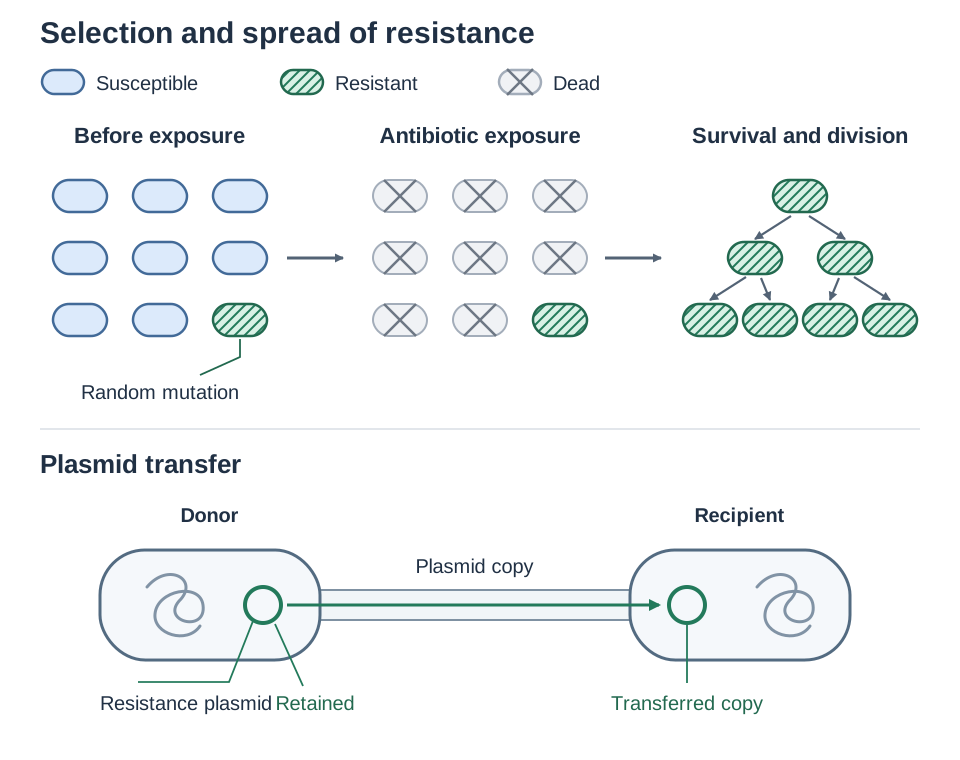
Bacteria are single-celled, prokaryotic micro-organisms that lack a membrane-bound nucleus and organelles. Their genetic material consists of a single circular chromosome, often accompanied by small circular rings of DNA called plasmids, which can carry and exchange antimicrobial resistance genes. Bacteria reproduce rapidly by binary fission, where one cell duplicates its DNA and divides into two identical daughter cells.
Under adverse environmental conditions, certain bacteria such as Clostridium chauvoei form a tough, dormant survival structure called an endospore. These endospores survive in pasture soil for many years, resisting drought, heat, and standard disinfectants, germinating only when ingested or introduced into deep wounds. Bacteria are classified by morphology:
- Coccus (round): e.g. Streptococcus uberis and Staphylococcus aureus, primary causes of bovine mastitis.
- Bacillus (rod-shaped): e.g. Escherichia coli, causing neonatal scour; Mycobacterium bovis, causing bovine tuberculosis.
- Spirillum (spiral): e.g. bacteria causing reproductive loss and infertility.
Fungi
Fungi are eukaryotic organisms with membrane-bound nuclei, mitochondria, and cell walls composed of chitin. Lacking chlorophyll, fungi cannot photosynthesise; they are heterotrophic, living as saprophytes on dead matter or as parasites on living tissue. Ringworm is caused by the fungus Trichophyton verrucosum. It forms circular, grey, crusty skin patches around the eyes and neck of young cattle. Its infectious fungal spores survive for months on timber pens and concrete, posing a significant direct infection risk to cattle and farmers (zoonosis).
Viruses
Viruses are non-cellular infectious particles consisting of a nucleic acid core (DNA or RNA) enclosed within a protein coat (capsid). They have no independent metabolism, cell walls, or protein-synthesis machinery. Because of this, they are obligate intracellular parasites that invade host cells and hijack host replication machinery. Antibiotics have no effect on viruses, because antibiotics target bacterial structures such as cell walls and bacterial ribosomes.
Infectious and Parasitic Diseases of Farm Livestock
The specification requires detailed understanding of the main infectious and parasitic diseases across ruminant (cattle, sheep) and monogastric (pig) enterprises:
| Disease & Host | Cause & Named Organism | Primary Symptoms | Transmission / Spread | Treatment | Prevention & Control |
|---|---|---|---|---|---|
| Mastitis (Cattle / Sheep) | Bacterial (Streptococcus uberis, Staphylococcus aureus) | Hard, swollen, painful udder quarter; clots, watery flakes in milk; high Somatic Cell Count (SCC). | Milking machine liners, milker's hands, dirty cubicle beds. | Strip quarter completely; disinfect teat end; infuse intramammary antibiotic tube; withhold milk. | Pre- and post-milking teat disinfection; lime cubicles twice daily; service milking machine; selective dry cow therapy. |
| Blackleg (Cattle / Sheep) | Bacterial (Clostridium chauvoei endospores) | Sudden severe lameness; high fever; crackling gas swellings under skin; sudden death. | Ingestion of soil-borne endospores from pasture or deep puncture wounds. | Usually found dead; high-dose penicillin in very early cases. | Routine clostridial vaccination (e.g. 8-in-1 or 10-in-1 vaccine); avoid soil contamination in silage. |
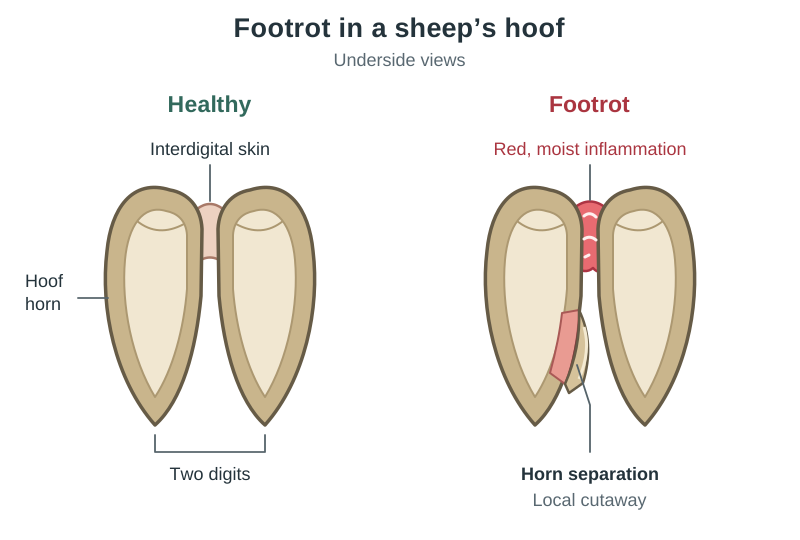
| Footrot (Sheep) | Bacterial (Dichelobacter nodosus) | Red, moist, raw skin between digits; foul odor; detachment of hoof horn; grazing on knees. | Spread via wet pasture, bedding, and handling yards from infected carrier animals. | Pare loose hoof horn carefully; apply antibiotic aerosol spray or systemic injection; isolate on hard, dry footing. | Walk sheep through zinc sulphate or copper sulphate footbaths; isolate lame stock; run footrot vaccination programme; cull chronics. |
| Piglet Scour (Pigs / Calves) | Bacterial (Escherichia coli) | Watery diarrhoea; sunken eyes; severe dehydration; rapid weight loss and chilling. | Ingestion of faecal bacteria from dirty farrowing crates or skin of the sow's udder. | Oral electrolyte therapy to rehydrate; veterinary-prescribed targeted antibiotics. | Wash and disinfect farrowing pens; ensure adequate colostrum intake; provide clean, warm creep area (30°C). |
| Swine Erysipelas (Pigs) | Bacterial (Erysipelothrix rhusiopathiae) | High fever; raised, purple diamond-shaped skin lesions; stiff joints; sudden death. | Ingested via contaminated feed, water, faeces, or skin abrasions. | Prompt veterinary administration of injectable penicillin. | Vaccinate sows and gilts pre-breeding; maintain all-in, all-out batch sanitation. |
| Blowfly Strike / Myiasis (Sheep) | Ectoparasitic larvae (Lucilia sericata) | Restlessness, twitching tail, dark damp patches of wool, foul rotting odour, maggots feeding on flesh. | Green bottle flies attracted to moist, dung-stained fleece lay eggs that hatch into flesh-eating larvae. | Clip and dag wool away from struck area; manually clear maggots; apply soothing insecticide dressing. | Routine dagging (shearing dirty breech wool); prompt summer shearing; apply pour-on insect growth regulators or dip sheep. |
| Liver Fluke (Cattle / Sheep) | Endoparasitic flatworm (Fasciola hepatica) | Submandibular swelling (bottle jaw), pale mucous membranes (anaemia), weight loss, condemned livers. | Ingestion of encysted metacercariae on grass blades in wet pastures containing mud snails. | Dose animals with an appropriate flukicide targeting immature or adult flukes depending on season. | Drain wet pasture; fence off waterlogged margins; dose strategically in autumn and winter based on fluke forecasts. |
The Liver Fluke Life Cycle and Parasite Control Systems
The liver fluke (Fasciola hepatica) causes major financial losses across Irish beef, dairy, and sheep farms through liver damage, poor growth rates, and slaughterhouse liver condemnations.
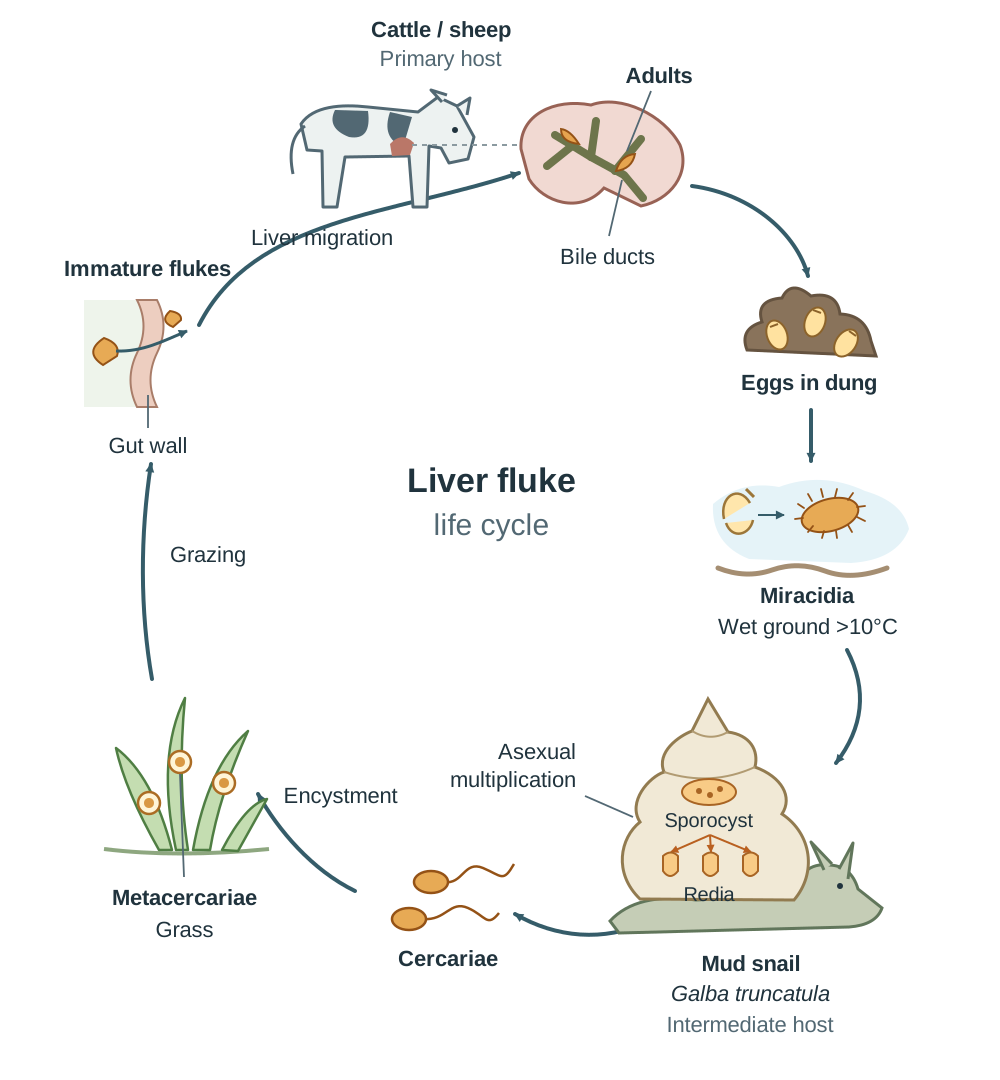
In the exam, draw this as a labelled circle.
How Knowledge of the Life Cycle Guides Farm Control
- Disrupting the Intermediate Host: The mud snail (Galba truncatula) needs wet, muddy ground. Suitable drainage can reduce this habitat; fencing off wet areas keeps livestock away from high-risk grazing. Without a snail host, the swimming miracidium dies within hours, breaking the cycle.
- Pasture Management: Moving vulnerable young stock away from known wet paddocks during late summer and autumn prevents animals from ingesting peak populations of encysted metacercariae.
- Targeted Flukicide Dosing: Products containing triclabendazole kill early immature, immature, and adult flukes, making them essential for autumn acute fluke risks in sheep. Many other flukicides kill only older flukes (late-immature or adult), so they are used later in the season, for example some weeks after housing.
Strategic Parasite Control in Cattle and Sheep
To prevent anthelmintic resistance, farmers must combine chemical treatments with grazing management. Send dung samples for a faecal egg count (FEC) before dosing, so you only dose when worm numbers are high. This saves money and slows wormer resistance:
| Control Method | Biological Mechanism | Target Parasite Controlled |
|---|---|---|
| Dosing (Oral anthelmintic drench) | Chemically paralyses and expels adult and larval worms from the digestive tract | Stomach worms and intestinal roundworms (e.g. Nematodirus in young lambs) |
| Plunge Dipping | Complete immersion in an approved chemical bath coats fleece and skin | Sheep scab mite (Psoroptes ovis), blowfly larvae, lice, and ticks |
| Pour-on Solutions | Chemical applied along the backline is absorbed systemically or spreads across skin oils | Biting and sucking lice, biting flies, and certain roundworms |
| Rotational / Clean Grazing | Shifts stock to reseeded ground or silage aftermath before parasite eggs hatch and larvae accumulate | Stomach and intestinal roundworms |
| Oral Vaccination | Stimulates acquired active immunity against lungworm larvae before turnout | Lungworm (Dictyocaulus viviparus, causing hoose in young calves) |
| Shearing and Dagging | Mechanically removes dirty, dung-stained fleece from the hindquarters | Blowfly strike maggots (Lucilia sericata) |
| Land Drainage & Fencing | Drainage reduces wet, muddy snail habitat; fencing keeps livestock away from high-risk grazing | Liver fluke (Fasciola hepatica) |
Metabolic and Nutritional Disorders
Metabolic disorders are non-infectious conditions caused by acute nutritional imbalances or deficits in blood mineral concentrations during high-demand stages of production:
| Disorder & Host | Underlying Biological Cause | Characteristic Symptoms | Immediate Treatment | Preventative Farm Management |
|---|---|---|---|---|
| Milk Fever (Dairy Cows / Sucklers) | Acute calcium deficiency (hypocalcaemia) occurring within 24–48 hours of calving, as large volumes of calcium enter colostrum. | Inability to stand (downer cow); cold ears; dull glazed eyes; muscle trembling; characteristic 'S-bend' kink in neck. | Slow intravenous or subcutaneous injection of calcium borogluconate. | Feed low-calcium/acidic dry-cow mineral ration pre-calving to stimulate parathyroid hormone; give calcium boluses at calving. |
| Grass Tetany (Lactating Cows & Ewes) | Acute magnesium deficiency (hypomagnesaemia) triggered by lush spring grass, low soil Mg, high potassium fertiliser, or cold stress. | Restlessness, nervous twitching, high stepping gait, teeth grinding, violent muscle spasms, convulsions, sudden death. | Emergency subcutaneous injection of magnesium sulphate solution (never inject intravenously due to risk of heart stoppage). | Dust pastures with calcined magnesite every few days during the risk period; add magnesium chloride to drinking water; feed high-magnesium concentrate rolls. |
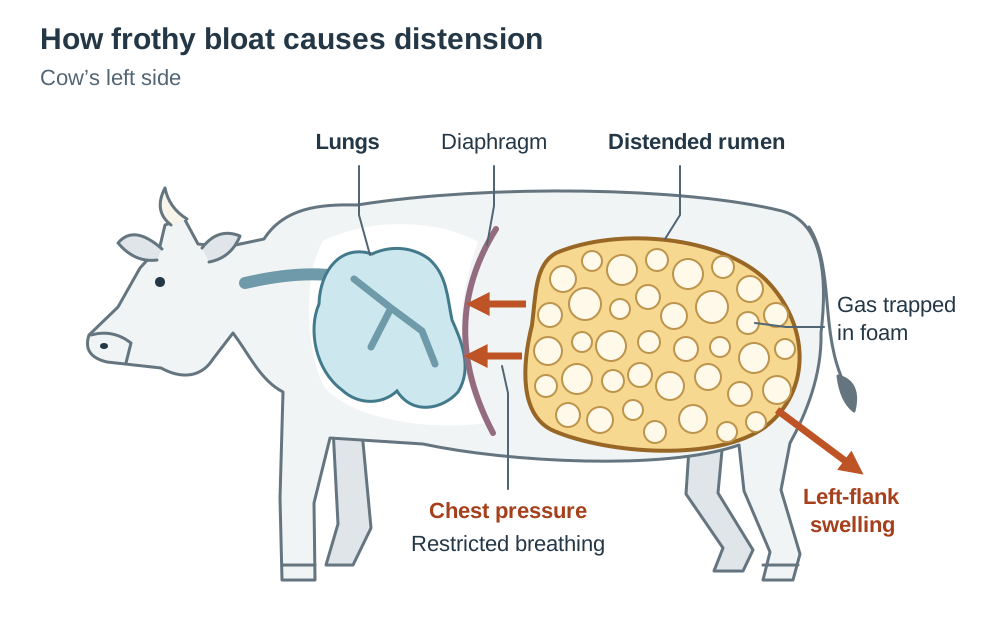
| Bloat (Ruminants: Cattle / Sheep) | Rapid fermentation of high-protein, lush leguminous clover swards trapping bubbles of fermentation gases in a persistent foam in the rumen. | Severe distension and swelling of the left flank; laboured breathing; grunting; collapse due to pressure on lungs. | Drench with an antifoaming agent or vegetable oil; in life-threatening suffocation, puncture rumen wall using a trocar and cannula. | Introduce livestock to clover pastures gradually on full stomachs; feed dry coarse fibre (hay/straw) before turnout; strip graze with back-fencing. |
| Twin Lamb Disease (Pregnancy Toxaemia) (Twin-bearing Ewes) | Severe energy deficit in late gestation; large twin/triplet lambs compress the rumen while demanding heavy glucose. Ewe metabolises body fat, creating toxic ketones. | Ewe isolates herself; dullness; blindness; sweet ketone smell on breath; tremors; recumbency and coma. | Oral drench of propylene glycol or intravenous glucose to rapidly elevate blood sugar; feed palatable concentrates. | Ultrasound scan ewes at 70–80 days to identify multiples; group ewes by litter size and feed stepped concentrate rations (steaming up) for 6–8 weeks pre-lambing. |
| Piglet Anaemia (Indoor Suckling Piglets) | Iron deficiency; sow's milk contains inadequate iron, piglets grow rapidly, and indoor concrete pens provide no soil contact. | Pale skin and ears; laboured breathing (thumps); severe lethargy; poor daily liveweight gain. | Intramuscular injection of iron dextran (or oral iron paste) administered to piglets at 2–3 days of age. | Routine administration of iron injections to all piglets at 3 days; provide access to peat or clean soil in farrowing pens. |
Notifiable Diseases, Zoonoses, and Safe Farm Practice
Notifiable Diseases
A notifiable disease is a disease of such high contagiousness, severe mortality, or extreme economic threat that anyone suspecting its presence is legally required to report it immediately. In Ireland, anyone suspecting a notifiable disease must report it without delay to a veterinary practitioner or to the Department of Agriculture, Food and the Marine (DAFM) through their local Regional Veterinary Office.
- Bovine Tuberculosis (bTB): Caused by Mycobacterium bovis. Spread by respiratory aerosols, direct contact, contaminated pastures/feed, and wildlife reservoirs (badgers, deer). Detected through annual herd testing using the Single Intradermal Comparative Tuberculin Test (SICTT). Positive reactor cattle are culled and herd movements are locked down immediately.
- Foot-and-Mouth Disease (FMD): A highly contagious aphthovirus causing painful blisters on the hooves, muzzle, and teats of cloven-hoofed animals. Can trigger severe livestock-movement and trade restrictions.
- Brucellosis: Caused by Brucella abortus; causes late-term abortion and retained afterbirth in cows. Ireland is officially brucellosis-free, making vigilance and abortion testing vital.
- Avian Influenza (Bird Flu): Highly pathogenic viral infection of poultry, transmitted by wild migratory waterfowl.
- African Swine Fever (ASF): Haemorrhagic viral fever in pigs with near 100% mortality, spread through infected meat scrap feeding (swill) or contact with wild boar.
- Other key notifiable diseases include: Bovine Spongiform Encephalopathy (BSE), Bluetongue, and Anthrax.
Bovine Viral Diarrhoea (BVD) Eradication
BVD is an economically devastating viral disease in cattle causing immunosuppression, scour, and abortion. Persistently Infected (PI) calves are formed when an uninfected cow catches the virus in early pregnancy; the developing foetus recognises the virus as 'self' and never produces antibodies. PI calves shed massive viral loads for life. Ireland's national eradication scheme mandates that every newborn calf is tissue-tag tested at birth. PI calves must be culled immediately to break the transmission cycle.
Zoonoses and Farm Safety Precautions
A zoonosis is an infectious disease that can be passed from animals to humans:
- Bovine Tuberculosis (Mycobacterium bovis): Causes chronic respiratory disease. Ingestion avoided by drinking only pasteurised milk*.
- Leptospirosis (Leptospira hardjo): Carried in cattle urine and aborted fluid; causes severe flu-like illness in humans. In contrast, Leptospira icterohaemorrhagiae* is transmitted via rat urine and causes jaundice and liver/kidney failure (Weil's disease).
- Cryptosporidiosis (Cryptosporidium parvum):* Protozoan shed in scouring calf dung; enters human drinking water or dirty hands, causing acute stomach cramps and vomiting.
- Brucellosis (Brucella abortus):* Contracted via handling aborted foetuses and fluids; causes undulant recurring fever in people.
- Orf (Parapoxvirus): Viral infection from sheep lips, entering human skin cuts and creating painful, weeping pustules.
Precautions for Farmers:
- Wear personal protective equipment (PPE), including arm-length disposable gloves during calving, lambing, and handling afterbirth.
- Wash hands thoroughly with antibacterial soap and cover all open cuts with waterproof bandages before eating or smoking.
- Keep pregnant women strictly away from lambing ewes due to chlamydia and toxoplasmosis abortion risks.
- Maintain active vermin control (baiting rats) around feed stores and calf housing.
- Boil or pasteurise all milk intended for home consumption.
Immunity, Traceability, and Biosecurity Systems
Active vs Passive Immunity
- Active immunity: The animal's own immune system produces antibodies and memory cells following exposure to a foreign antigen. This occurs through natural recovery from infection or through vaccination (administering a dead, weakened, or partial pathogen). Active immunity takes 1–2 weeks to develop but produces long-lasting protection bolstered by booster shots.
- Passive immunity: The animal receives pre-formed, ready-made antibodies from an external source, primarily through colostrum. Protection is immediate but temporary, lasting only a few weeks until the maternal antibodies degrade.
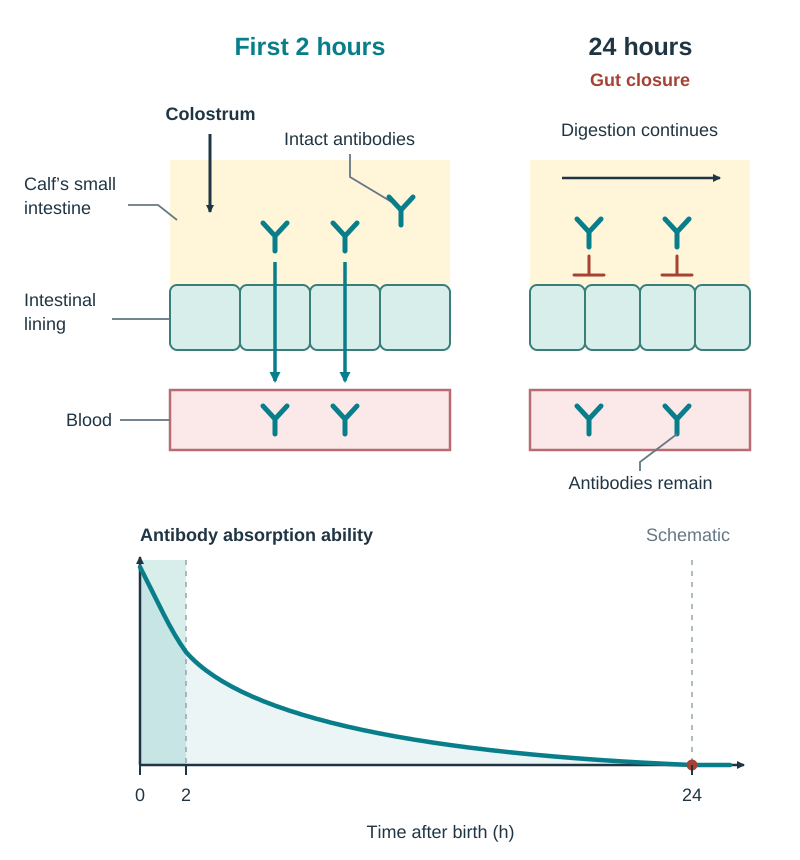
Because the multi-layered placenta of cows, ewes, and sows completely blocks large maternal antibody proteins from passing into the foetal bloodstream during pregnancy, newborn calves, lambs, and piglets are born with zero circulating antibodies. They depend entirely on maternal colostrum.
In the first hours of life, the calf's small intestine can absorb whole, intact antibody molecules directly into the blood. This intestinal permeability declines rapidly and ceases completely by 24 hours (gut closure). Successful colostrum management follows the 3-2-1 rule:
- 3 Litres: Feed at least 3 litres of clean, high-quality colostrum (thick, antibody-rich; verified at >22% on a Brix refractometer).
- Within 2 Hours: Feed this volume within 2 hours of birth while gut absorption is at its peak.
- 1st Milking: Use colostrum exclusively from the dam's first milking, as antibody concentration drops sharply in subsequent milkings.
Farm link: Vaccinating ewes with an 8-in-1 clostridial booster 4–6 weeks prior to lambing elevates antibody concentrations in their colostrum, directly conferring passive protection to newborn lambs.
Livestock Traceability and Disease Containment
Under European and Irish law, all cattle must carry two official Department-approved ear tags and an individual animal passport. Every birth, movement, purchase, and slaughter event is logged on the national Animal Identification and Movement (AIM) database. If an outbreak of a disease like Bovine TB occurs, or an infected carcass is flagged at slaughter, veterinary inspectors instantly trace the animal's herd of origin and test every intermediate herd the animal passed through, protecting Irish export markets.
Practical On-Farm Biosecurity Protocols
- Closed Herd Policy: Breed all replacement heifers and breeding ewes on-farm to prevent introducing subclinical diseases like BVD, Johne's, or footrot.
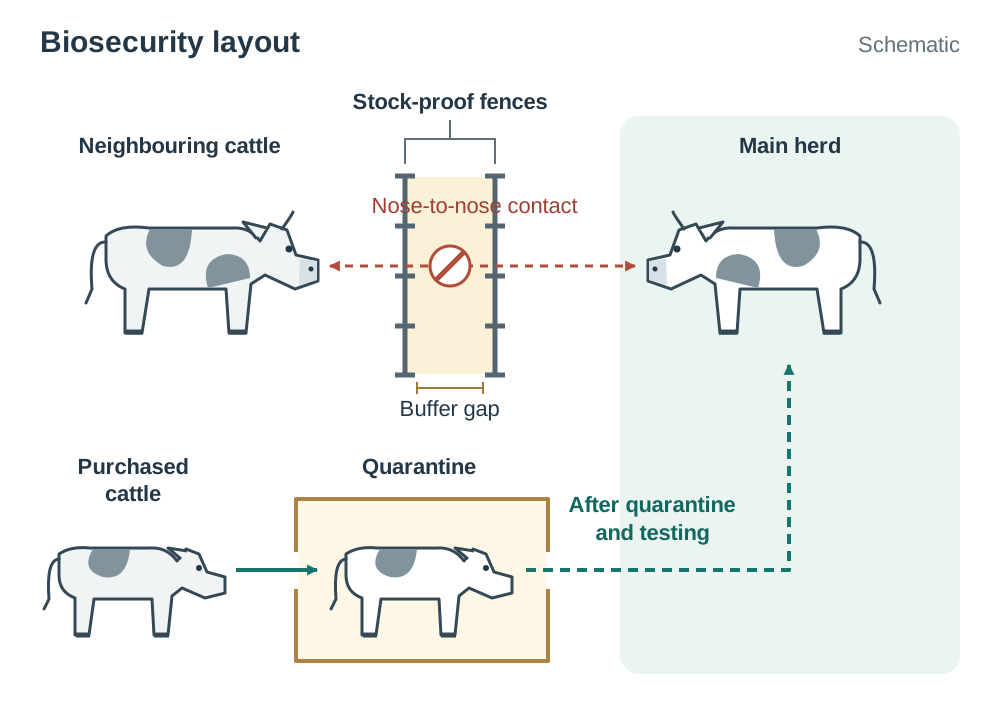
- Quarantine: Isolate all purchased stock or returning show animals in a separate pen for 3–4 weeks, testing for disease before mixing with the main herd.
- Stock-Proof Boundary Fencing: Double-fence farm boundaries with an adequate buffer gap to eliminate nose-to-nose contact with neighbouring cattle.
- All-In, All-Out Housing: Empty, power-wash, and disinfect pig and poultry sheds thoroughly between batches to break bacterial cycles.
- Parasite Pasture Planning: Run a leader-follower grazing system where vulnerable young calves graze clean pastures first, followed by older cattle whose developed immune systems clear remaining larvae.
Antimicrobial Resistance (AMR) and Responsible Medicine Use
Antibiotics are antimicrobial medicines that destroy or inhibit the growth of bacteria. Overuse and misuse in agriculture have accelerated the emergence of Antimicrobial Resistance (AMR), a critical threat to both animal welfare and human medicine.
Evolution of AMR via Natural Selection
The development of antibiotic resistance proceeds in five sequential steps:
- Random Mutation: Within a large population of bacteria, a random genetic mutation spontaneously occurs in an individual bacterium, granting resistance to a specific antibiotic.
- Antibiotic Exposure: The antibiotic is administered to the herd or flock, especially at sub-therapeutic doses or during unfinished courses.
- Selective Advantage: The antibiotic kills the vulnerable, non-resistant bacteria, leaving the mutated resistant bacterium alive.
- Multiplication: Relieved of competition for space and nutrients, the resistant bacterium multiplies rapidly, passing the resistance gene to all daughter cells.
- Horizontal Gene Transfer: Resistant bacteria share their resistance genes with other bacterial strains and species via plasmid exchange. Over time, the entire bacterial population becomes resistant.
To preserve antibiotic efficacy, farmers should use alternatives to antibiotics for disease control, such as routine vaccination, high housing hygiene, culling chronic carriers, and strict biosecurity.
Responsible Medicine Use and Statutory Rules
- No Routine Blanket Antibiotic Treatments: Routine preventive antibiotic use in healthy groups of stock is prohibited under EU veterinary regulations. Antibiotics are strictly prescription-only medicines (POM).
- Selective Dry Cow Therapy (SDCT): Blanket dry cow therapy, where every cow automatically receives an intramammary antibiotic tube at drying off, is no longer permitted. Instead, farmers use selective dry cow therapy: only cows with proven infections (elevated SCC or clinical history) receive antibiotic tubes. Uninfected cows receive only an internal teat sealant to physically block the teat canal.
- Culture and Sensitivity Testing: Vets isolate the causal bacterium from milk or tissue swabs and test it in a laboratory against different antibiotic discs to identify the exact narrow-spectrum antibiotic that will work.
- Withdrawal Periods: The withdrawal period is the statutory minimum duration that must elapse between the last administration of a medicine and the slaughter of an animal for meat, or the collection of milk or eggs for human consumption. This ensures chemical residues fall below statutory Maximum Residue Limits (MRLs).
- Animal Remedies Record Book: Farmers must record every medicine purchase and administration, logging the date, animal ID, medicine name, batch number, quantity administered, prescribing vet, and the withdrawal expiry date.
Key terms
- Pathogen
- An organism that causes disease in a host animal, such as a bacterium, virus, fungus, or parasite.
- Zoonosis
- An infectious disease that can be naturally transmitted from vertebrate animals to humans (e.g. Bovine TB, Leptospirosis, Ringworm, Brucellosis).
- Notifiable Disease
- An animal disease of such high contagiousness, severity, or economic impact that it must, by law, be reported immediately to a vet or the Department of Agriculture, Food and the Marine (DAFM).
- Antimicrobial Resistance (AMR)
- The acquired evolutionary ability of bacteria to survive exposure to an antibiotic medicine that previously killed them or inhibited their growth.
- Passive Immunity
- Short-term disease protection acquired by an animal through receiving pre-formed maternal antibodies, primarily absorbed from colostrum.
- Active Immunity
- Long-lasting disease protection produced when an animal's own immune system generates antibodies and memory cells following exposure to an antigen via infection or vaccination.
- Withdrawal Period
- The statutory minimum time that must elapse between the final administration of a veterinary medicine and the slaughter of the animal for meat or collection of milk/eggs for food.
- Somatic Cell Count (SCC)
- A diagnostic count of white blood cells per millilitre of milk, used as a key indicator of udder health and subclinical mastitis.
- Endospore
- A tough, dormant survival structure formed inside certain bacterial cells (e.g. Clostridium chauvoei) that withstands heat, drought, and standard farm disinfectants for years.
- Selective Dry Cow Therapy
- The targeted farm practice of administering antibiotic tubes at drying off only to cows with confirmed bacterial infections, while treating uninfected cows with teat sealant alone.
- Biosecurity
- A set of practical management steps implemented to prevent the introduction of infectious diseases onto a farm and stop their spread within herds and flocks.
- Intermediate Host
- An organism in which a parasite's larval stages develop (for liver fluke, they also multiply asexually); the adult parasite lives and reproduces sexually only in the primary host. Example: the mud snail (Galba truncatula) in the liver fluke life cycle.
Check yourself
What does each part of the 3-2-1 rule signify in colostrum feeding?
Feed 3 litres of high-quality colostrum within 2 hours of birth, taken from the dam's 1st milking.
Name the causal bacterium of blackleg and explain how it survives in pasture soil for many years.
Clostridium chauvoei survives by forming a tough, dormant endospore that resists drought, heat, and disinfectants.
How does land drainage disrupt the life cycle of the liver fluke (Fasciola hepatica)?
It reduces the wet, muddy habitat needed by the intermediate host snail (Galba truncatula), reducing the opportunities for miracidia to find a host and complete the life cycle.
Is ringworm notifiable, zoonotic, or both? Is Foot-and-Mouth Disease notifiable, zoonotic, or both?
Ringworm is zoonotic but is not a statutory notifiable livestock disease in Ireland. Foot-and-Mouth Disease is notifiable; it is not readily transmitted to humans and is not considered a public-health risk, although rare human infections have been reported.
State the biological cause of grass tetany, its immediate treatment, and one method of prevention.
It is caused by an acute magnesium deficiency (hypomagnesaemia) in the blood. Treatment is an emergency subcutaneous injection of magnesium sulphate. Prevention involves dusting pastures with calcined magnesite or adding magnesium chloride to water troughs.
Why are persistently infected (PI) calves so dangerous to a cattle herd in the context of BVD?
Infected in the womb before their immune system formed, they recognise the virus as 'self', produce no antibodies, and shed massive amounts of the virus for their entire lives.