

Special diets are eating patterns changed for medical reasons, such as coeliac disease or allergies, or for non-medical reasons, such as vegetarian, religious or cultural beliefs. Diet is also used to manage diet-related diseases, and the exam asks you to read food labels and plan suitable meals in menu format.
Medical Diets and Kitchen Safety
Medical diets require strict exclusion of specific trigger ingredients to keep people safe and well:
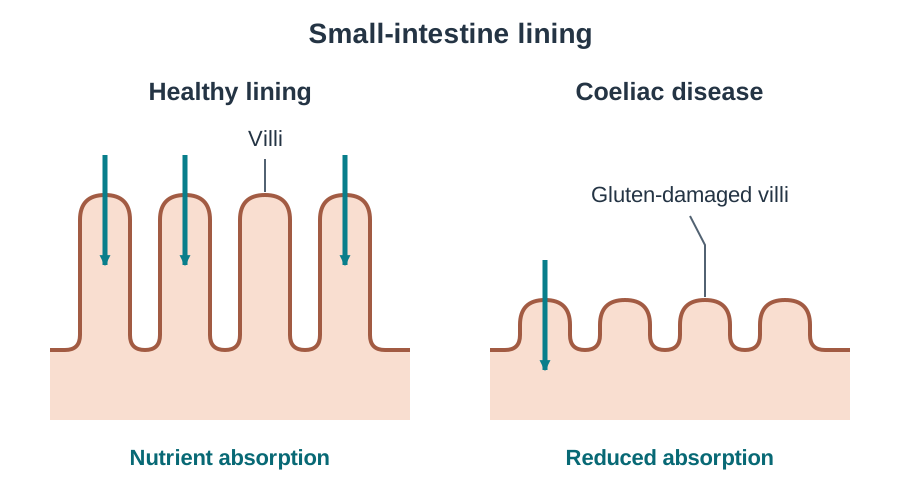
- Coeliac disease: gluten damages the villi — the tiny finger-like folds lining the small intestine — so nutrients cannot be absorbed properly.
- Gluten sources: wheat, barley, and rye must be avoided completely.
- Safe foods: rice, maize, potatoes, and certified gluten-free oats are safe staples for coeliacs.
- Food allergy: an immune reaction to a food protein that can trigger rapid, dangerous anaphylaxis.
- Food intolerance: a digestive difficulty, such as lactose intolerance, that causes discomfort without involving the immune system.
- Inflammatory bowel disease (IBD): chronic bowel inflammation managed with gentle, lower-fibre meals during active flare-ups.
- Cross-contamination: prevent gluten or allergen transfer by using separate, spotless chopping boards, utensils, and toasters.
Vegetarian, Religious, and Cultural Diets
People choose non-medical diets for animal welfare, sustainability, personal health, or religious faith:
- Vegan: excludes all foods from animal sources, including dairy products, eggs, and honey.
- Lacto-vegetarian: includes dairy foods like milk and cheese, but excludes meat, poultry, fish, and eggs.
- Lacto-ovo vegetarian: includes dairy foods and eggs, but cuts out meat, poultry, and fish.
- Protein complementation: pair two low biological value (LBV) plant proteins, like beans on toast, to get all essential amino acids.
- Vegan nutrient swaps: use soya or pulses for protein, fortified plant milks for calcium and B12, and greens with vitamin C for iron.
- Religious rules: Muslims eat halal meat and avoid pork and alcohol, while observant Hindus avoid beef.
Meal Planning, Food Labels, and SEC Briefs
Putting nutritional knowledge into kitchen practice is central to Junior Cycle Home Economics:
- Back-of-pack labels: ingredients appear in descending order by weight, with the 14 mandatory EU allergens highlighted in bold.
- Front-of-pack labels: traffic-light colours show at a glance if sugars, fat, saturates, and salt are low, medium, or high.
- Menu format: write only the course heading and dish names, leaving out cooking methods and recipes.
- Reasons for choice: link each chosen dish directly to the specific nutrient needs of the condition or diet.
- CBA 2 brief folder: state the brief, list three factors, explore two solutions, record two sources, and justify your choice.
Key terms
- Coeliac disease
- An autoimmune condition where eating gluten damages the villi of the small intestine, blocking nutrient absorption.
- Gluten
- A plant protein found in wheat, barley, and rye that triggers damage in individuals with coeliac disease.
- Food allergy
- An abnormal immune system reaction to a food protein that can cause serious or life-threatening symptoms.
- Food intolerance
- A digestive problem breaking down a particular food, such as lactose, that causes discomfort without involving the immune system.
- High biological value (HBV)
- Protein containing all essential amino acids, found in meat, fish, eggs, dairy foods, and soya.
- Low biological value (LBV)
- Protein lacking one or more essential amino acids, found in plant foods such as peas, beans, lentils, and cereals.
- Obesity
- A chronic condition of excess body fat resulting from taking in more energy than the body burns over time.
- Allergen
- A substance, such as peanuts or milk, that can trigger an abnormal allergic reaction in sensitive people.
Check yourself
Which three grains contain gluten and must be strictly avoided by someone with coeliac disease?
Wheat, barley, and rye.
How can a vegan get all essential amino acids from plant foods in one meal?
By pairing two complementary low biological value (LBV) proteins together, like beans on toast.
What key mineral should someone with osteoporosis increase to maintain bone density?
Calcium.
How are the 14 mandatory food allergens presented on Irish ingredient labels?
They must be clearly highlighted, usually printed in bold, italic, or colored type.