

Health and wellbeing covers how good nutrition, proper digestion, and a secure home keep our bodies and minds sound. In the Junior Cycle exam, you will explain healthy lifestyle habits, compare diet-related diseases, and adapt meals for different life stages and special diets.
Daily Habits and the Digestive Journey
A healthy lifestyle starts with how you eat. Base meals on the Food Pyramid and eat five to seven servings of vegetables, salad and fruit daily. Choose wholegrain, high-fibre foods such as wholemeal bread and porridge. Use less salt, sugar and saturated fat, and eat regular meals without skipping breakfast. You need between seven and nine hours of sleep every night so your body can release growth hormones and process memories. Drinking six to eight glasses of water daily keeps you hydrated and stops tiredness.
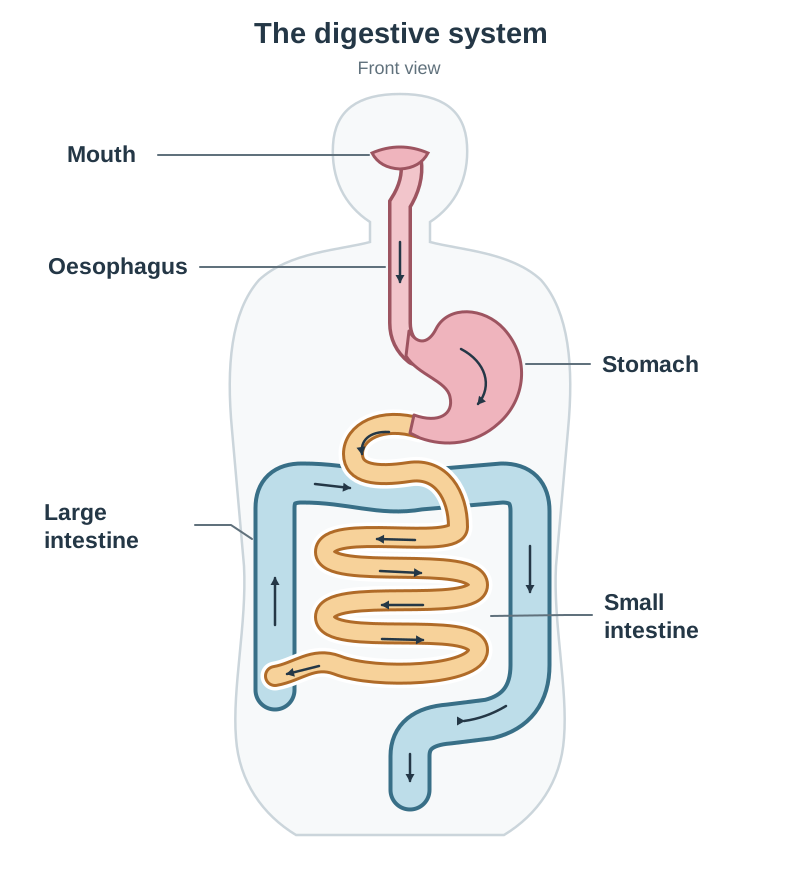
Food passes through five main stages in the digestive system:
- Mouth: Teeth chew food into smaller pieces, and saliva enzymes begin breaking down starch.
- Oesophagus: Muscular waves push the swallowed food straight down into the stomach.
- Stomach: Acid and enzymes churn the food and start digesting protein.
- Small intestine: Nutrients pass through tiny villi into your bloodstream.
- Large intestine: It takes back water and removes the leftover waste from your body.
Lifecycle Stages and Special Diets
Nutritional needs change as we age, and some people must adjust their food choices for medical or ethical reasons.
- Children and teenagers: Need extra protein for growth spurts, along with calcium and vitamin D for strong bones and teeth.
- Pregnancy: Extra iron helps prevent maternal anaemia, and taking folic acid early prevents neural tube defects like spina bifida.
- Older adults: Slower metabolisms need fewer calories, but diets still require plenty of fibre, calcium, and vitamin D.
- Coeliac disease: An autoimmune condition where gluten damages the small intestine lining. Sufferers must avoid wheat, rye, and barley.
- Food allergies and intolerances: An allergy triggers an immune reaction to food proteins like peanuts, whereas an intolerance causes digestive pain without immune involvement.
- Vegetarians: Choose plant sources like beans and lentils for protein, avoiding meat and fish completely.
A Nurturing Home and Mental Wellbeing
A home gives family members the physical, emotional, and social support they need to feel secure.
- Physical needs: Warm shelter, clean drinking water, nutritious meals, and a safe room layout with working smoke alarms.
- Emotional needs: Affection, encouragement, and a safe space to talk without fear of harsh criticism.
- Social needs: Learning to communicate clearly, resolve everyday disagreements through compromise, and respect others.
Managing stress matters just as much as physical fitness. Going for a brisk walk, talking to someone you trust, and taking breaks from phone screens all help clear your head. Doing practical crafts like knitting, mending, or hand embroidery also works wonders. These rhythmic textile crafts lower tension, offer a calm break from screens, and build creative confidence.
Key terms
- Diet-related disease
- A chronic illness, like osteoporosis or heart disease, caused by eating patterns that stray from healthy guidelines.
- Special dietary consideration
- A medical or personal reason to change your diet, such as having coeliac disease or following vegetarianism.
- Coeliac disease
- An autoimmune condition where eating gluten damages the lining of the small intestine.
- Gluten
- A protein found in wheat, barley, and rye that damages the gut lining in people with coeliac disease.
- Plaque
- A sticky coating of bacteria, food particles, and saliva on teeth that produces tooth-rotting acid.
- Type 1 diabetes
- A condition where the pancreas produces no insulin, requiring regular insulin injections.
- Type 2 diabetes
- A condition where the body cannot properly use the insulin it makes, managed by diet, exercise, or medication.
- Food allergy
- An immune system reaction to a specific food protein that can cause serious symptoms like swelling or hives.
Check yourself
Which part of the digestive tract absorbs most nutrients into the blood?
The small intestine.
Which two nutrients work together to build strong bones and prevent osteoporosis?
Calcium and vitamin D.
Why is folic acid essential before and during early pregnancy?
It prevents neural tube defects such as spina bifida in the baby.
How many hours of sleep should teenagers aim for each night?
Between seven and nine hours.