

Beef and dairy cattle enterprises form the central pillar of Irish livestock farming, utilising temperate grassland to produce high-value meat and milk. This comprehensive revision guide examines adult and preruminant digestive physiology, reproductive endocrinology and breeding strategies, calf management, grass-fed beef and dairy systems, milk and carcase grading, infectious diseases, and farm safety.
Digestive Physiology: Adult Ruminant vs Preruminant and Monogastric
The Adult Ruminant Stomach
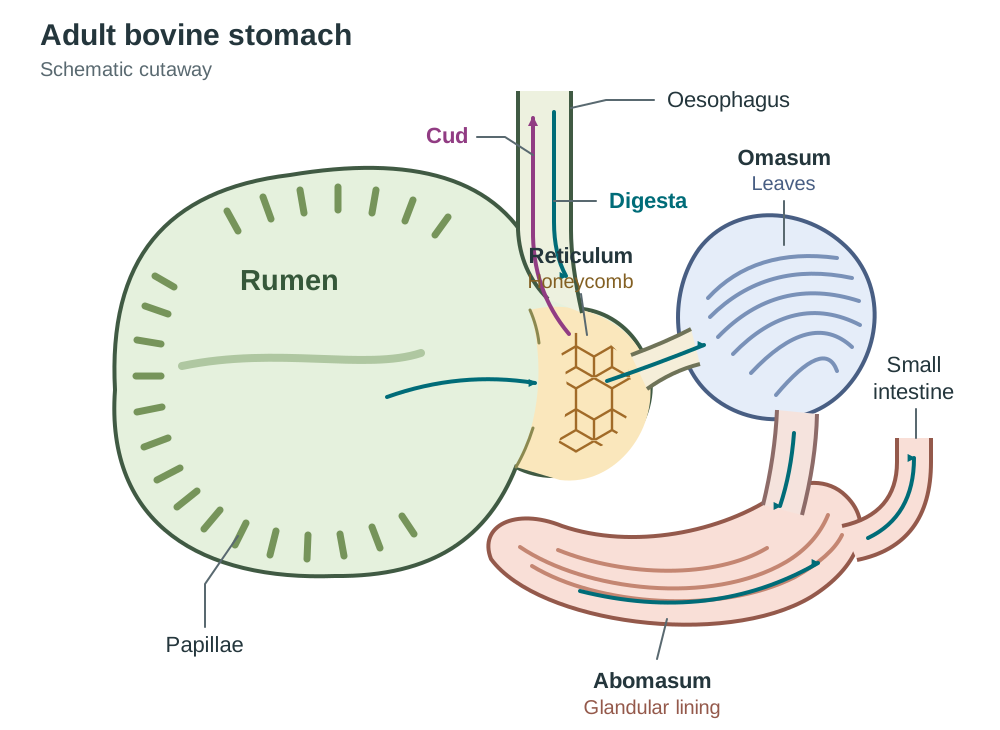
An adult bovine stomach comprises four distinct compartments operating in sequence: rumen → reticulum → omasum → abomasum.
- Rumen: A large fermentation vat holding up to 150–200 litres. It hosts billions of symbiotic microorganisms (bacteria, protozoa, and fungi). Microbes secrete the enzyme cellulase to break down cellulose and hemicellulose in grass and silage—an enzyme mammals cannot produce.
- Reticulum: A honeycomb-textured chamber that traps dense foreign material (such as wire or stones) and collects coarse digesta into boluses for regurgitation during rumination (chewing the cud).
- Omasum: Composed of numerous thin muscular sheets (the 'manyplies' or leaves) that reabsorb water, squeeze fine digesta, and absorb residual minerals and volatile fatty acids.
- Abomasum: The 'true stomach', operating identically to a monogastric stomach by secreting gastric juice containing hydrochloric acid and pepsin to digest microbial and bypass proteins.
Functions of Rumen Microorganisms
- Volatile Fatty Acid (VFA) Synthesis: Microbes ferment dietary plant fibre and starches into three primary volatile fatty acids: acetic acid, propionic acid, and butyric acid. These are absorbed directly through the rumen papillae into the bloodstream, providing roughly 70% of the cow's total metabolic energy.
- Microbial Protein Synthesis: Microbes convert non-protein nitrogen (such as urea) and poor-quality plant proteins into high-quality microbial protein. As microbes pass into the abomasum and small intestine, they are digested, providing essential amino acids.
- Vitamin Synthesis: Rumen microbes synthesise all required B vitamins (including B12) and vitamin K.
- Fermentation By-products: Large volumes of carbon dioxide () and methane () are produced as by-products of anaerobic fermentation. The animal expels these gases via eructation (belching). Rumen methane emissions represent a primary target for greenhouse gas mitigation.
Rumination and Rumen Buffering
During rumination, the animal regurgitates cud, re-chews it to reduce particle size, and re-swallows it. This stimulates the production of vast amounts of alkaline saliva rich in sodium bicarbonate, which buffers rumen pH between 6.2 and 6.8, preventing rumen acidosis.
Contrast with a Monogastric Animal
A monogastric animal (such as a pig) possesses a single, non-compartmentalised, acid-secreting stomach. Lacking a pre-gastric fermentation chamber, pigs cannot digest fibrous cell walls efficiently and require easily digestible, concentrate-based rations containing pre-formed essential amino acids (such as lysine and methionine).
Cattle Breeds, Classification, and Genetic Selection
Cattle Breed Identification
- Holstein-Friesian: Large-framed dairy breed. Black and white coat. Capable of high milk yields with moderate solids percentages. (The Friesian originated in the Netherlands; the Holstein strain was developed in North America for higher volume).
- Jersey: Small Channel Island dairy breed with a fawn or light-brown coat and a dished face. Low volume, but high butterfat (~5.0%) and protein (~3.8%).
- Aberdeen Angus: Early-maturing British beef breed. Naturally polled (hornless) with a solid black (or red) coat. Renowned for docility, easy calving, and intramuscular fat marbling.
- Hereford: Early-maturing British beef breed. Red-brown body with a characteristic white face, white crest, and white underline. Docile, finishes rapidly on grass.
- Shorthorn: Early-maturing breed with a red, white, or roan coat. Historically dual-purpose, now bred as maternal suckler dams and pedigree beef.
- Charolais: Late-maturing French continental breed. Cream or white coat with heavy muscle conformation. Widely used as a terminal sire for rapid growth.
- Limousin: Late-maturing continental breed. Golden-red coat with lighter shading around the muzzle and eyes. Prized for lean meat yield and high kill-out percentage.
- Belgian Blue: Extreme late-maturing continental breed. White or blue-roan coat. Exhibits muscular hypertrophy (double muscling), requiring careful calving supervision.
- Simmental: Continental dual-purpose breed. Red, gold, and white patches with a white face. Valued in suckler herds for high milk yield and fast calf growth.
Crossbreeding and Dominant Traits
Crossbreeding is the mating of animals from two distinct pure breeds (for example, a purebred Hereford bull on a Holstein-Friesian cow). Using a purebred sire ensures predictable, uniform traits in the offspring. Crossbred calves benefit from hybrid vigour (heterosis), displaying superior hardiness, fertility, and growth over parental averages.
- Crossing a Hereford onto a Friesian yields a black calf with a white face, as both black coat colour and the white face trait are genetically dominant.
- Crossing an Aberdeen Angus yields polled calves, because the polled gene is dominant over horned.
Breeding Indices and Selection Principles
- Economic Breeding Index (EBI): Single-figure monetary index estimating the extra profit (€) a dairy bull's daughters will generate per lactation compared to a base cow. It includes sub-indices: Milk Production, Fertility, Calving Performance, Beef Carcase, Maintenance, Management, Health, and Carbon.
- Beef Euro-Star Index: Divided into the Replacement Index (maternal milk, fertility, and calving ease for breeding suckler replacements) and the Terminal Index (growth rate, carcase weight, and conformation for slaughter animals).
- Performance Testing: Evaluating a young sire's own growth rate, muscle conformation, and feed efficiency under standardised conditions at a central testing station.
- Progeny Testing: Assessing a sire's true genetic merit by recording the physical traits, milk yield, health, and slaughter data of a large cohort of his offspring across commercial farms.
- Genomic Selection: Profiling an animal's DNA from tissue tags or hair follicles at birth to predict future breeding values, reducing generation intervals.
- Visual Selection (Physical Traits): Selecting breeding stock based on conformation, feet, legs, udder shape, frame, and docility. Effective for highly heritable physical traits.
- Natural Selection vs Artificial Selection: Natural selection favoured hardiness and disease tolerance in native breeds (such as the Kerry cow). In farming, artificial selection replaces this, as the breeder selects parents for economic traits.
- Genetic Engineering: Direct modification or editing of an animal's genome (e.g., introducing the polled gene into dairy genetics to remove the need for dehorning). Subject to stringent EU regulations.
Reproduction and Lactation Physiology in Cattle
The Mammalian Reproductive Cycle
The bovine oestrous cycle averages 21 days, with standing heat lasting approximately 18 to 24 hours:
- FSH (Follicle-Stimulating Hormone): Secreted by the anterior pituitary gland; stimulates the development of a Graafian follicle containing an egg on the ovary.
- Oestrogen: Secreted by the growing ovarian follicle; induces physical and behavioural signs of heat.
- LH (Luteinising Hormone): An anterior pituitary surge triggers ovulation approximately 10 to 14 hours after the end of standing heat. The ruptured follicle reorganises into the corpus luteum (yellow body).
- Progesterone: Secreted by the corpus luteum; thickens the endometrium, maintains pregnancy, and suppresses further FSH secretion and oestrus cycles.
- Prostaglandin (): If pregnancy does not occur, the uterine endometrium secretes prostaglandin around day 17, which regresses the corpus luteum, dropping progesterone and restarting the cycle.
Signs of Heat and Fertilisation Methods
- Primary Sign: Standing firmly to be mounted by herd-mates ('standing heat').
- Secondary Signs: Mounting other cows, restlessness, bellowing, clear chin-ball marks, rubbed tail-head paint, swollen vulva, clear stringy mucus discharge, and a drop in milk yield.
- Natural Service: Relying on a stock bull running with the herd.
- Artificial Insemination (AI): Depositing proven semen into the uterine body using an AI straw and gun. Follows the AM/PM rule: cows observed in standing heat in the morning are inseminated that evening; cows seen in the evening are inseminated the next morning.
- AI Advantages: Access to high-merit, progeny-tested sires; improved biosecurity; eliminates stock bull hazards; enables use of sexed semen (which delivers ~90% female calves for dairy replacements, though at a slightly higher straw cost and marginally lower conception rate).
Reproductive Efficiency and the 365-Day Target
Reproductive efficiency is the ability of a breeding herd to successfully mate, conceive, and rear calves, expressed as the number of calves weaned per 100 cows mated.
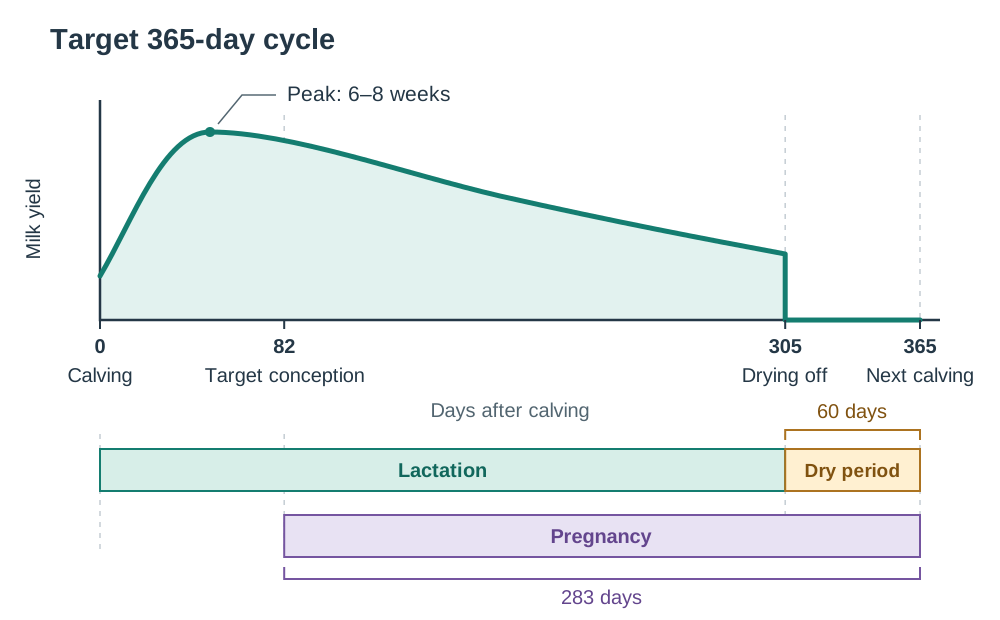
Bovine gestation lasts approximately 283 days. To achieve one calf per cow per year (a 365-day calving interval), a cow must conceive within:
Factors governing reproductive efficiency include Body Condition Score (BCS) (target 2.75–3.0 at breeding), heat detection accuracy, plane of nutrition, and herd biosecurity.
Udder Physiology and Milk Let-Down
Milk is synthesised within microscopic alveoli lined with secretory epithelial cells, surrounded by myoepithelial muscle networks.
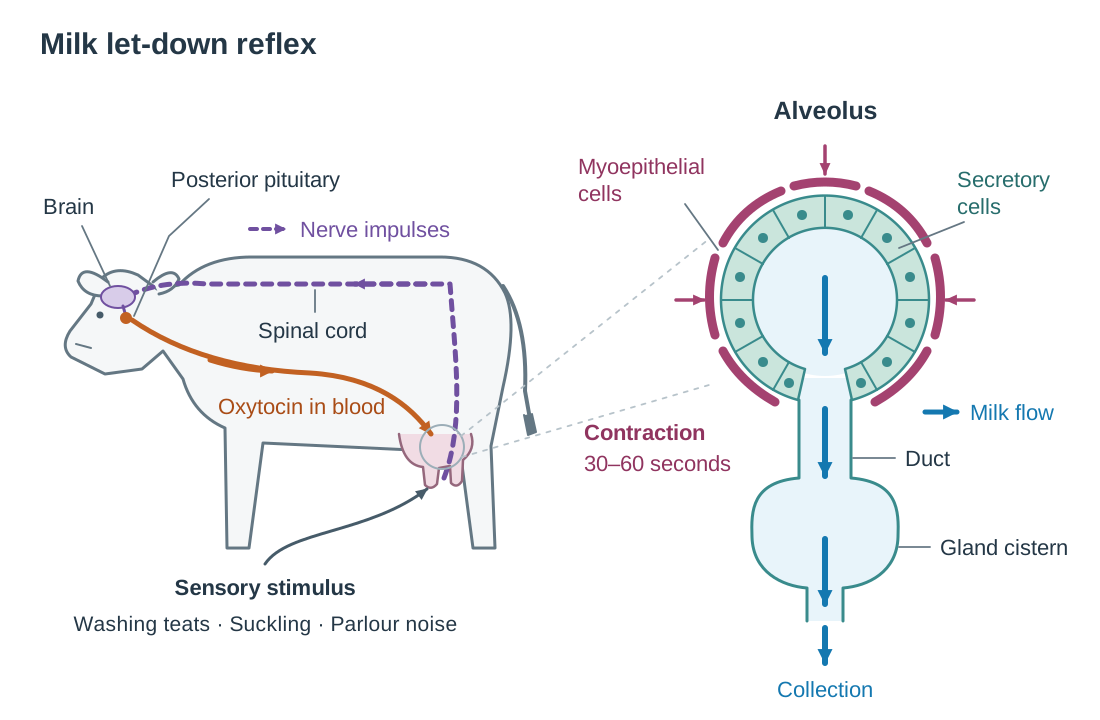
If the cow is frightened or handled roughly, the adrenal glands release adrenaline. Adrenaline constricts mammary blood vessels, blocking oxytocin delivery and impeding milk let-down.
Lactation Curve Management
- Early Lactation (Days 1–100): Milk yield climbs to a peak at 6–8 weeks. Energy output in milk exceeds daily dry matter intake, creating a negative energy balance. The cow mobilises body fat ('milks off her back'). BCS loss must not exceed 0.5 units to safeguard fertility.
- Mid Lactation (Days 101–200): Intake matches milk requirements. Milk declines at 7–9% per month (persistency).
- Late Lactation (Days 201–305): Milk yield tapers off. Feeding focuses on achieving a BCS of 3.0 before drying off.
- Drying Off (60-day Dry Period): Milking ceases abruptly 60 days before calving, allowing alveolar repair. Farmers practice selective dry cow therapy (SDCT): cows with low historical Somatic Cell Counts receive internal teat sealants alone, while cows with high SCC or mastitis receive antibiotic tubes. In the final 4–6 weeks, cows are steamed up with high-DMD forage and minerals to adapt rumen microbes.
Calf Rearing, Rumen Development, and Target Milestones
Colostrum and Passive Immunity: The 1-2-3 Rule
Because the bovine syndesmochorial placenta prevents antibody transfer in utero, newborn calves depend entirely on colostrum for passive immunity.
- 1: Use colostrum from the first milking only (contains up to 15% protein, dominated by immunoglobulins).
- 2: Feed within two hours of birth. The porous calf intestine begins closing rapidly and becomes impermeable to large antibodies within 24 hours.
- 3: Feed at least three litres (or 8.5–10% of body weight) via clean teat or stomach tube.
Navels are immediately dressed with 10% iodine solution to seal the umbilical vessels against bacteria.
Transition to a Functional Ruminant
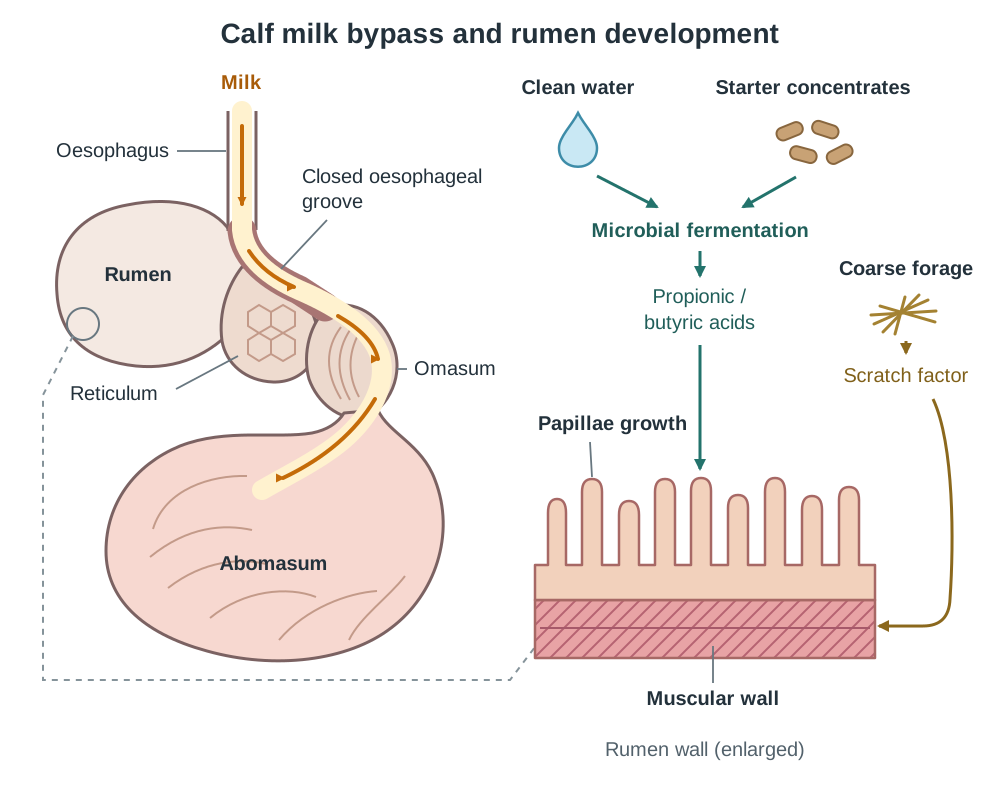
At birth, a calf's stomach functions like a monogastric stomach: the abomasum represents ~70% of total stomach volume, while the rumen is undeveloped. When suckling, the oesophageal groove (a muscular gutter) folds into a closed bypass tube, routing liquid milk directly past the rumen into the abomasum. If milk spills into an inactive rumen, it putrefies, causing bloat and scour.
Developing the rumen requires three complementary inputs:
- Clean Water: Facilitates bacterial colonisation and carbohydrate fermentation.
- Starter Concentrates: Microbes ferment starch into volatile fatty acids (primarily propionic and butyric acids). These acids stimulate the physical growth and vascularisation of absorption papillae on the rumen wall.
- Coarse Forage (Clean Straw or Hay): Provides the scratch factor. The physical abrasion of fibre rubs the rumen lining, stimulating muscular contractions, wall thickening, and the regurgitation reflex.
Calves are ready for weaning once they consume at least 1.0 kg of concentrate pellets daily for three consecutive days, typically at 8–10 weeks of age.
Target Liveweight Milestones (Dairy-Bred Heifers / Steers)
| Production Stage | Target Liveweight | Nutritional and Husbandry Management |
|---|---|---|
| Birth | ~40 kg | 3 L clean colostrum within 2 hours; naval disinfected with iodine. |
| Weaning (8–10 weeks) | ~80–90 kg | Double birth weight; consuming at least 1.0 kg starter concentrates daily. |
| Housing (Year 1, November) | ~200–230 kg | Rotational grazing; dosed for hoose and worms; housed on 70%+ DMD silage. |
| Turnout (Year 2, March) | ~280–310 kg | Winter gain ~0.5 kg/day; turnout triggers rapid compensatory growth on spring grass. |
| Mating (Heifers, 15 months) | ~330–350 kg | Minimum 60% of mature body weight; calve down successfully at 24 months. |
| Slaughter / Calving (24 months) | ~550–600 kg | Steers finished off autumn grass with meal; dairy heifers calve down at BCS 3.25. |
Beef Production Systems, Carcase Grading, and Feed Efficiency
Beef Systems Comparison
Irish beef systems are predominantly grass-based, relying on high-DMD grazed pasture and winter grass silage.
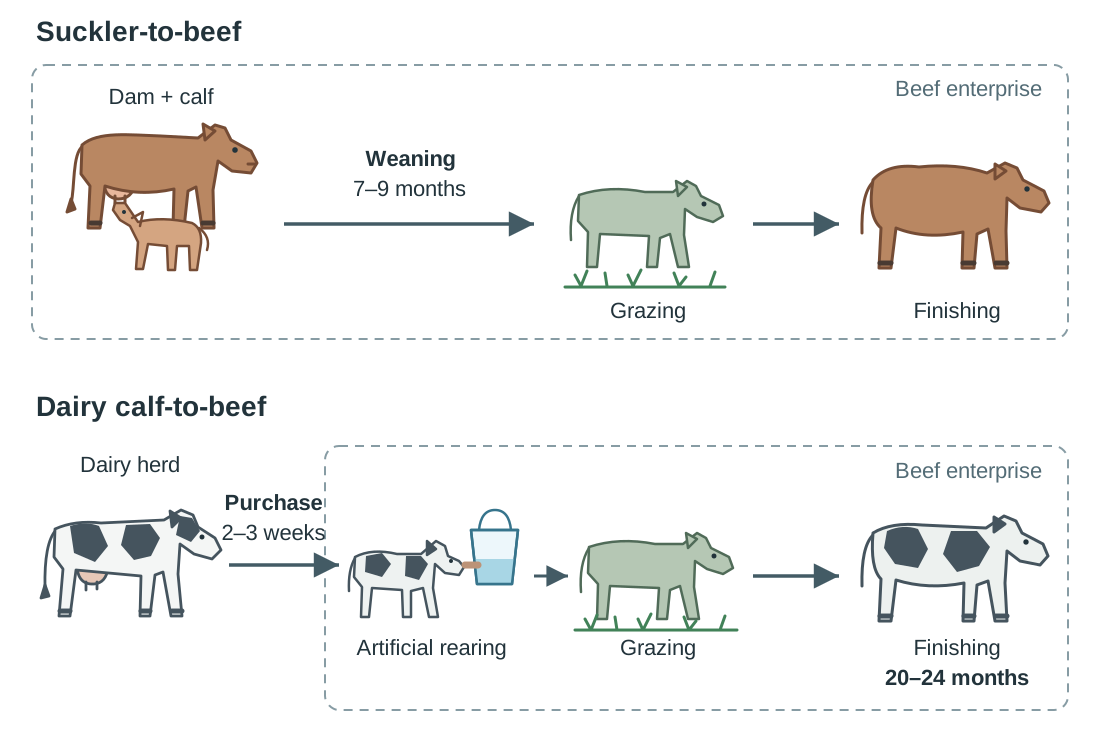
- Suckler-to-Beef / Weanling: A beef cow suckles her own calf until weaning at 7–9 months. Calves graze alongside dams and receive creep concentrates pre-weaning. While producing high-quality continental carcases, suckler enterprises incur high cow maintenance costs and generate lower stocking rates.
- Dairy Calf-to-Beef: Surplus dairy-bred calves (Holstein-Friesian bullocks, Angus or Hereford crosses) are purchased at 2–3 weeks of age, artificially reared, and finished at 20–24 months. This system features lower calf purchase costs and higher stocking rates, but carcases display lower conformation grades.
Nutritional Principles in Beef Production
- Nutritive Properties of Food Constituents:
- Carbohydrates: Provide the primary source of dietary energy; sugars and starches fuel daily metabolism, while structural fibre (cellulose) maintains rumen function and stimulates cud-chewing.
- Proteins: Supply essential amino acids for muscle and tissue growth, cellular repair, enzyme production, and foetal development.
- Lipids (Fats): Act as a concentrated energy store, supplying over twice the energy of carbohydrates per gram.
- Minerals: Macro-minerals (calcium and phosphorus) are required for skeleton formation and milk production; magnesium is critical for nerve and muscle function (preventing grass tetany). Micro-minerals (trace elements like cobalt, copper, and selenium) support fertility and enzyme activity.
- Vitamins: Fat-soluble vitamins A, D, and E support vision, bone formation, and immunity; water-soluble B vitamins and vitamin K are synthesised directly by rumen microbes.
- Water: Essential for hydration, nutrient transport, waste excretion, and biochemical reactions.
- Dry Matter Digestibility (DMD): The percentage of dry matter in a feed that is digested by the animal. Silage cut in late May averages ~75% DMD, while overgrown late-June silage drops to ~60% DMD due to stem lignification. High-DMD silage increases voluntary intake, daily liveweight gain (DLG), and reduces concentrate requirements.
- Compensatory Growth: The accelerated, highly efficient growth rate exhibited by cattle when placed on an abundant, high-quality diet (such as spring pasture) following a period of restricted nutritional intake (such as a low-cost, store winter period).
- Ration Balancing: A ration combines feeds to supply these constituents to match the animal's stage of development: young stock require high-protein rations (16–18% crude protein) for skeletal and muscle development, while finishing cattle require high-energy, starch-rich diets (barley-based, 12–14% crude protein) to deposit fat cover.
Carcase Classification: The EUROP Grid
Carcase value is determined using two objective factory scales:
- Conformation: Evaluated on the EUROP scale (E = excellent/convex profile, U = very good, R = good, O = fair, P = poor/concave profile). Each class is subdivided into +, =, and −.
- Fat Score: Evaluated on a scale from 1 (leanest) to 5 (fattest), also subdivided into +, =, and −.
- Typical Scores: A late-maturing continental steer grades E or U with fat 2 to 3 (e.g., U+ 3=). An early-maturing British crossbred steer (e.g., Angus × Friesian) finishes faster, typically grading R or O with fat 3 to 4 (e.g., R= 4−).
Kill-Out Percentage Benchmarks
- Holstein-Friesian dairy steers: ~50%–52%
- Angus / Hereford beef-cross steers: ~52%–55%
- Continental beef steers: ~56%–60%
- Continental bulls: ~58%–62%
Milk Quality, Component Pricing, and Grass-Fed Attributes
Milk Composition and Diurnal Variation
Standard bovine milk contains approximately 87.5% water, 3.8% butterfat, 3.4% protein (casein and whey), 4.6% lactose, and 0.7% minerals.
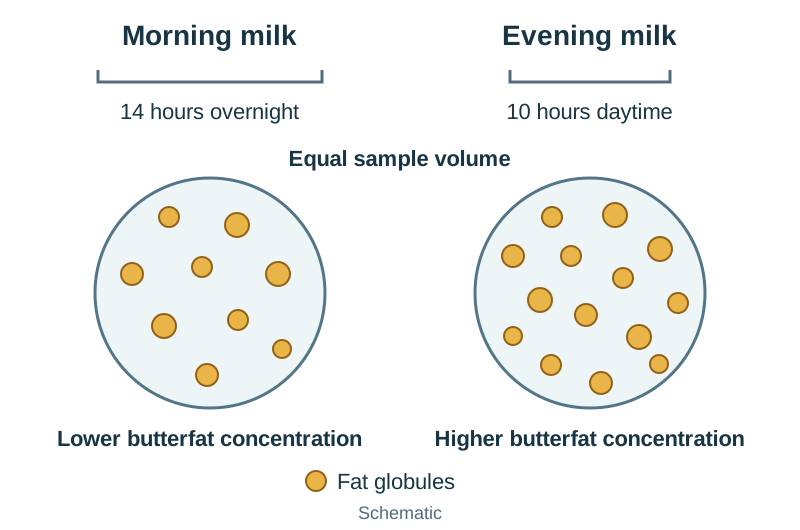
Because herds are milked at unequal intervals (typically 14 hours overnight and 10 hours during the day), morning milk contains a lower butterfat percentage than evening milk. Over the longer overnight gap, more milk volume (mostly water and lactose) is made, while fat is added at a steadier rate and some fat is held back in the alveoli. The fat is therefore diluted, so morning milk has a lower butterfat % than evening milk. Evening milk, produced over 10 hours, is lower in liquid volume but has concentrated butterfat globules.
Secondary Data Solids Calculation
- Morning Milk (a.m.): 3.6% fat + 3.3% protein + 4.7% lactose + 0.7% minerals = 12.3% solids → 87.7% water.
- Evening Milk (p.m.): 4.4% fat + 3.4% protein + 4.7% lactose + 0.7% minerals = 13.2% solids → 86.8% water.
Milk Quality Benchmarks
- Total Bacterial Count (TBC): Measures general bacteria per ml. Legal maximum is 100,000/ml (co-op target <20,000/ml). Elevated TBC indicates unwashed milking lines or plate cooler/bulk tank refrigeration faults.
- Somatic Cell Count (SCC): White blood cells per ml. Legal limit is 400,000/ml (target <150,000/ml). Elevated SCC indicates clinical or subclinical mastitis.
- Thermoduric Bacteria: Spores surviving pasteurisation (target <1,000/ml); caused by milk residues inside pipelines.
- Inhibitory Substances (Delvo Test): Detects antibiotic residues. Milk testing positive is rejected and penalised, as residues destroy cheese-starter cultures and risk consumer reactions. Farmers must observe statutory medicine withdrawal periods.
Specified Practical Activity: Investigating Milk Quality Over Time
- Method:
- Split one fresh milk sample into two portions. Store one portion at room temperature (~20°C) and the other in a refrigerator (~4°C).
- Each day for 4–5 days, transfer 10 ml from each portion into sterile test tubes and add 1 ml of resazurin dye (or methylene blue).
- Prepare a negative control tube containing 10 ml of boiled milk (to kill all bacteria) with 1 ml of dye added at the same time.
- Incubate all tubes in a water bath at 37°C and record the time taken for the colour to change (resazurin reduces from blue to pink and white as bacteria consume oxygen).
- Result: The dye decolourises faster each successive day, with the fastest colour change occurring in the warm sample stored at room temperature. The boiled-milk control shows no colour change.
- Conclusion: Bacterial populations multiply over time, and do so far more rapidly in warm conditions. Rapid chilling in farm bulk tanks to below 6°C is therefore essential to prevent bacterial proliferation and maintain low TBC.
The A + B − C Component Pricing Model
Where is the value of protein, is the value of butterfat, and is the processing/haulage charge.
Attributes of Irish Grass-Fed Produce and Market Trends
Pasture-based diets deliver milk and meat higher in omega-3 fatty acids, conjugated linoleic acid (CLA), beta-carotene (providing yellow butter and fat colour), and vitamin E. With over 85–90% of Irish beef and dairy exported, international markets value our pasture-grazed systems, certified via Bord Bia's Sustainable Assurance Schemes and Protected Geographical Indication (PGI) status.
Animal Health, Biosecurity, and Safe Farmyard Design
Cattle Diseases, Transmission, and Control
- Hoose (Lungworm): Larvae eaten from pasture migrate to the bronchi. Causes persistent coughing and pneumonia in first-season grazing calves. Controlled by anthelmintic dosing and leader-follower grazing.
- Stomach Worms (Ostertagia):* Larvae damage the abomasal mucosa, causing profuse watery scour and stunting. Controlled by strategic dosing and pasture rotation.
- Liver Fluke (Fasciola hepatica): Requires the mud snail (Galba truncatula*) as an intermediate host on poorly drained ground. Causes anaemia and weight loss. Controlled by fencing off wet drains and dosing flukicides in autumn/winter.
- Bovine Viral Diarrhoea (BVD): Virus causing immunosuppression and congenital defects. Persistently Infected (PI) calves shed massive viral loads. Controlled by national mandatory tag-tissue testing, culling PI calves, and biosecurity.
- Milk Fever (Hypocalcaemia): Sudden metabolic calcium drop at calving. Symptoms: muscle tremors, cold ears, sternal recumbency ('downer cow' with head tucked into flank). Treated with calcium borogluconate injected intravenously or subcutaneously.
- Grass Tetany (Hypomagnesaemia): Acute blood magnesium drop on lush spring pasture high in potassium. Can be rapidly fatal if untreated. Treated immediately with magnesium sulphate injected subcutaneously.
- Zoonoses: Pathogens transmissible from cattle to humans, including TB, brucellosis, leptospirosis (via infected urine), ringworm (fungus via direct skin contact), and Cryptosporidium (via calf faeces).
- Notifiable Diseases: Diseases posing extreme national or economic risk that must be reported to the Department of Agriculture, Food and the Marine (DAFM) immediately: Bovine TB, Brucellosis, BSE, Foot-and-Mouth Disease, and Anthrax. DAFM places immediate herd movement restrictions (lock-up).
Animal Welfare, Handling, and Food Traceability
- Animal Welfare Principles (The Five Freedoms): Good husbandry requires fulfilling five core welfare freedoms:
- Freedom from hunger and thirst (constant access to clean water and a balanced diet).
- Freedom from discomfort (sheltered housing, dry bedding, and sufficient space to rest).
- Freedom from pain, injury, and disease (preventative healthcare, vaccination, and prompt veterinary treatment).
- Freedom to express normal behaviour (adequate space, good lighting, and company of herd-mates).
- Freedom from fear and distress (calm management and avoiding conditions that cause mental suffering).
- Handling and Housing for Welfare: Animal handling must be low-stress and calm. Facilities require non-slip grooved concrete floors, well-designed handling races, anti-backing ratchets, and secure restraining crushes. Housing requires adequate lying space and sufficient ventilation to remove excess heat, moisture, and noxious gases without creating draughts.
- Food Safety and Traceability Systems: Robust traceability protects human consumers and Irish export markets:
- Every calf must receive two official ear tags (one in each ear) within 20 days of birth.
- Births are registered to obtain an individual bovine passport (blue card).
- All animal movements, sales, and deaths are logged on DAFM's Animal Identification and Movement (AIM) database, allowing any beef carcase or milk consignment to be traced back to the farm of origin.
- Traceability compliance is audited via Bord Bia Sustainable Quality Assurance Schemes, guaranteeing verified standards to consumers.
Farm Safety and Yard Layout Sketch
When producing a farmyard sketch for assessment, students must account for health and safety, economic efficiency, and environmental sustainability:
- Dwelling House (Social / Health & Safety): Completely fenced off from livestock movement and machinery routes to provide a secure, child-safe perimeter.
- Economic Layout Practice: Short, direct transit routes between livestock housing, feed storage, and the milking parlour or handling yard save labour and machinery operating time. Grouping buildings enables shared services (water, electricity) and allows slurry and drainage to flow by gravity, lowering capital construction and ongoing operating costs.
- Livestock Handling Yard: Centrally located handling crush with an anti-backing bar, non-slip concrete grooving, and an integrated calving gate with a headstock restraint to protect handlers.
- Machinery & PTO Safety: Dedicated tractor transit routes kept separate from animal races; separate locked, bunded stores for agrochemicals and veterinary medicines; PTO guards fitted on all drive shafts.
- Slurry Storage & Gas Hazard: Slurry produces hydrogen sulfide (), a dense gas that deadens the sense of smell and kills within a single breath. Slurry tanks must have external agitation points located outside sheds. Agitation must only occur on windy days with all shed doors open and stock fully evacuated for at least 30 minutes.
- Silage Slab & Effluent Management: Silage effluent has a Biochemical Oxygen Demand (BOD) over 200 times that of raw domestic sewage. Slabs require leak-proof concrete perimeter channels directing effluent directly into underground collection tanks to prevent waterway eutrophication.
Environmental Implications, Slurry Management, and Sustainable Intensification
- Environmental Impacts of Cattle Production:
- Greenhouse Gas Emissions: Enteric fermentation in the rumen produces methane (), while nitrogen excreted in dung and urine produces nitrous oxide (). Both are potent greenhouse gases contributing to climate change.
- Air Quality: Slurry agitation and surface spreading release ammonia (), which contributes to air pollution and soil acidification.
- Water Quality: Leaching of nitrates and surface runoff of phosphorus into waterways trigger algal blooms and eutrophication, depleting aquatic oxygen.
- Slurry and Farmyard Manure (FYM) Best Practice:
- Storage Capacity: Provide adequate storage capacity (statutory 16–22 weeks depending on zone) to eliminate the risk of winter tank overflow.
- Prohibited Spreading Periods: Never spread slurry during the winter closed period, on waterlogged, flooded, snow-covered, or frozen ground, or on steep slopes near water.
- Low-Emission Slurry Spreading (LESS): Use trailing shoe or dribble bar equipment instead of splash plates. LESS places slurry directly under the grass canopy, drastically reducing ammonia volatilisation and increasing nitrogen recovery.
- Buffer Zones and Nutrient Planning: Maintain unfertilised buffer zones along watercourses and apply slurry strictly in accordance with soil test results.
- Sustainable Intensification: Producing higher agricultural output per hectare (such as increased milk solids or carcase output) without increasing environmental degradation, carbon footprint, or resource depletion.
Key terms
- Rumen
- The largest compartment of the ruminant stomach, functioning as an anaerobic microbial fermentation vat to break down plant cellulose into volatile fatty acids.
- Volatile Fatty Acids (VFAs)
- Short-chain fatty acids (acetic, propionic, and butyric acid) produced by rumen microorganisms that provide roughly 70% of a ruminant's metabolic energy.
- Cellulase
- The enzyme synthesised by symbiotic rumen microorganisms that hydrolyses cellulose and hemicellulose in plant cell walls.
- Economic Breeding Index (EBI)
- A single-figure profit index in Irish dairying estimating the extra profit in euro per lactation a bull's daughters will generate relative to a base cow.
- Euro-Star Index
- An ICBF genetic evaluation system ranking beef cattle using a Replacement Index (maternal traits) and a Terminal Index (carcase slaughter traits).
- Performance Testing
- The evaluation of an individual animal's genetic merit by measuring its own growth rate, feed efficiency, and conformation under standardised station conditions.
- Progeny Testing
- Evaluating a sire's breeding merit by recording and analysing the physical and productive performance of a large cohort of his offspring across commercial herds.
- Genomic Selection
- Predicting an animal's breeding value at birth by profiling its DNA sequence from a tissue or hair sample, accelerating genetic progress.
- Hybrid Vigour (Heterosis)
- The improved biological performance and hardiness shown by crossbred offspring above the average performance of their purebred parents.
- Crossbreeding
- The mating of animals from two different pure breeds to combine complementary traits and exploit hybrid vigour.
- Oesophageal Groove
- A muscular fold in the preruminant calf that reflexively closes into a tube during suckling, directing milk past the rumen directly into the abomasum.
- Scratch Factor
- The physical tactile action of coarse dietary fibre against the rumen wall that stimulates muscular wall thickening and rumination.
- Negative Energy Balance
- A physiological state in early lactation where dietary energy intake is lower than milk output demands, forcing the cow to mobilise body tissue reserves.
- Dry Matter Digestibility (DMD)
- The percentage of dry matter in a forage or feed that is digested and absorbed by an animal.
- Compensatory Growth
- The rapid, efficient liveweight gain achieved by cattle when turned out on nutritious feed after a period of restricted nutritional intake.
- Daily Liveweight Gain (DLG)
- The average mass in kilograms gained by an animal over a 24-hour period.
- Feed Conversion Rate (FCR)
- The amount of feed in kilograms (dry matter) required by an animal to produce one kilogram of liveweight gain.
- EUROP Grid
- The statutory EU beef carcase classification system grading conformation from E to P and subcutaneous fat cover from 1 to 5.
- Kill-Out Percentage
- The cold dressed carcase weight expressed as a percentage of the living animal's weight prior to slaughter.
- Reproductive Efficiency
- A metric assessing herd breeding success, defined as the number of calves successfully weaned per 100 cows mated.
- Somatic Cell Count (SCC)
- The number of white blood cells per millilitre of milk, serving as a direct diagnostic indicator of udder health and mastitis.
- Total Bacterial Count (TBC)
- The total quantity of live bacteria per millilitre of milk, indicating parlour hygiene, cleaning protocols, and bulk tank cooling efficiency.
- Notifiable Disease
- An infectious disease of significant economic or public health impact that must be reported to the Department of Agriculture immediately upon suspicion.
- Selective Dry Cow Therapy (SDCT)
- A veterinary management practice where only cows with elevated SCC or a mastitis history receive intramammary antibiotic tubes at drying off, while healthy cows receive teat sealant alone.
Check yourself
Name the stomach chamber where cellulose is fermented and identify the microorganisms responsible.
The rumen, where symbiotic bacteria, protozoa, and fungi secrete the enzyme cellulase.
What is the targeted calving interval in days for commercial dairy and suckler herds?
365 days (one calf per cow per year).
Why does a cow need to be back in calf within approximately 82 days of calving?
Bovine gestation lasts 283 days; subtracting 283 from 365 leaves 82 days to maintain a 365-day calving interval.
Which volatile fatty acids stimulate the development of absorption papillae in the calf rumen?
Propionic acid and butyric acid, produced during the microbial fermentation of starter concentrates.
What hormone triggers the milk let-down reflex, and which hormone inhibits it during stress?
Oxytocin stimulates milk let-down; adrenaline inhibits it by constricting mammary blood vessels.
A sample of evening milk contains 13.2% total solids. Calculate its percentage water content.
86.8% (100% − 13.2% = 86.8%).
State the expected kill-out percentage range for a finished continental beef steer.
56% to 60%.
Define the term crossbreeding in farm livestock production.
The mating of animals from two different pure breeds to combine desirable traits and produce hybrid vigour (heterosis).