
The music industry covers how music is created, protected, distributed, and recorded. For Junior Cycle Music, you need to understand copyright rules, Irish royalty bodies, broadcast airtime, advertising jingles, and studio effects.
Copyright and Royalties in Ireland
Music is intellectual property. Copyright begins the moment a piece is written down or recorded in tangible form.
- Automatic right: You do not need to register a song or pay a fee to secure copyright.
- Duration: A composition's copyright normally lasts 70 years after its creator's death. The work then enters the public domain.
- Covers and samples: Before releasing a cover or sampled recording of protected music, obtain permission or the appropriate licence.
- Royalties: Payments to rights holders for licensed uses of their music.
- IMRO: The Irish Music Rights Organisation collects and pays royalties to songwriters, composers, and publishers.
- RAAP and PPI: RAAP handles royalties for performers, while PPI represents record labels.
Broadcasting and Irish Airtime
Airtime is the amount of broadcasting time radio and television stations give to an artist's tracks, interviews, or performances.
- Income: Radio broadcasts can generate royalties for songwriters represented by IMRO.
- Audience growth: Airplay builds familiarity and can encourage streaming or ticket purchases.
- Regulation: Irish broadcasting is supervised by Coimisiún na Meán (formerly the BAI).
- Prizes: Prize nominations can attract national coverage and encourage more airplay.
To write an exam airtime report on two Irish artists you studied, name both performers, describe their musical styles, list the media stations tracked, and state the broadcast minutes found.
Advertising Music and Audio Effects
A jingle is a brief, catchy tune or slogan written to promote a product in an advert. Choose a product and audience; compose an original jingle, perform it and record it to suit the advertisement.
Producers use processing effects in the studio to alter the recorded audio signal:
- Reverb: Simulates room reflections and echoes. It gives a voice or instrument acoustic space and depth so it does not sound dry.
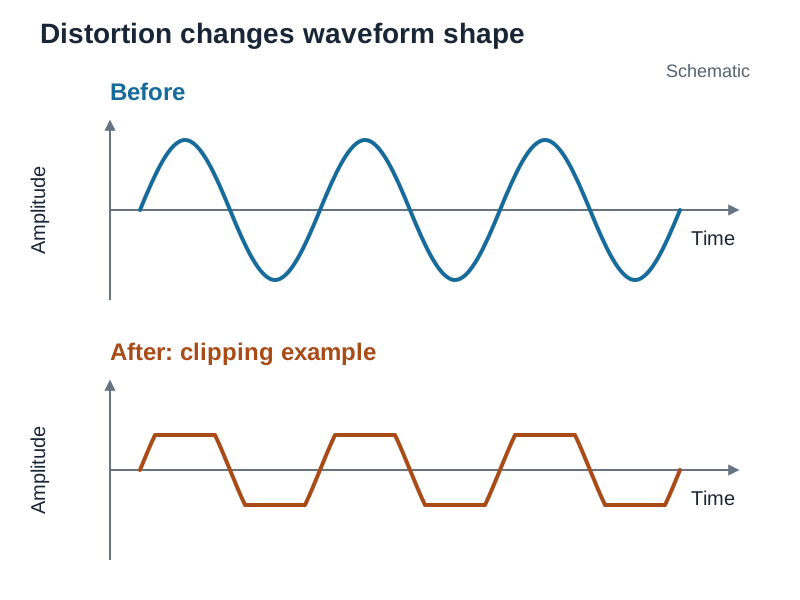
- Distortion: Alters the audio waveform to create a gritty, rough timbre, most often used on electric guitars.
- Panning: Panning positions sound towards the left, centre or right between stereo speakers.
Digital Access and Global Sharing
Technology has changed how music is published and how audiences discover new tracks.
- Streaming platforms: Sites like Spotify, Apple Music, and SoundCloud allow musicians to release tracks worldwide without physical CDs.
- Social media: Apps like TikTok and YouTube give independent artists direct ways to promote their songs.
- Creative control: Musicians can record at home and publish their catalogue independently.
- Revenue balance: Streaming offers worldwide access, but artists may earn little from individual streams and face competition for listeners.
Key terms
- Copyright
- The legal right that automatically protects original musical work once it is written down or recorded.
- Royalty
- Payments to rights holders for licensed uses of their music.
- IMRO
- Irish Music Rights Organisation; collects and distributes royalties for composers, songwriters, and publishers in Ireland.
- Public Domain
- Music free from copyright protection, though a particular recording may remain protected.
- Jingle
- A short, memorable tune or musical slogan composed to advertise a product.
- Reverb
- A processing effect that mimics room acoustics and echoes to add depth and space to a sound.
- Distortion
- An effect that alters an audio waveform to produce a gritty, clipped timbre on instruments.
- Panning
- Panning positions sound towards the left, centre or right between stereo speakers.
Check yourself
Which organisation collects royalties for composers and songwriters in Ireland?
IMRO (Irish Music Rights Organisation).
How long does composition copyright normally last in Ireland?
70 years after the creator's death.
What is the difference between reverb and distortion?
Reverb adds room echoes and acoustic space, while distortion creates a gritty, crunchy timbre.
Name two ways an independent artist can share original tracks globally.
Through streaming platforms like Spotify and social media apps like YouTube or TikTok.