

Protein is an essential macronutrient needed by the body for growth, cell repair, and the production of enzymes, hormones, and antibodies. It is built from long chains of smaller chemical units called amino acids, which contain carbon, hydrogen, oxygen, and nitrogen (some also contain sulphur). Some proteins, such as casein, also contain phosphorus. This guide covers how amino acids join into chains, how those chains fold into functional shapes, the classification and properties of protein in food, how the body digests and absorbs it, and how to combine different protein foods to provide a balanced diet.
Chemical Structure and the Peptide Bond
Every protein molecule is built from fundamental units called amino acids. Each amino acid contains a central carbon atom () bonded to four distinct chemical parts:
- A basic amino group ()
- An acidic carboxyl group ()
- A single hydrogen atom ()
- A variable radical side chain ()
The radical group differs in every amino acid and gives it its specific identity and properties. For example, in glycine the radical is simply a hydrogen atom (), while in alanine it is a methyl group ().
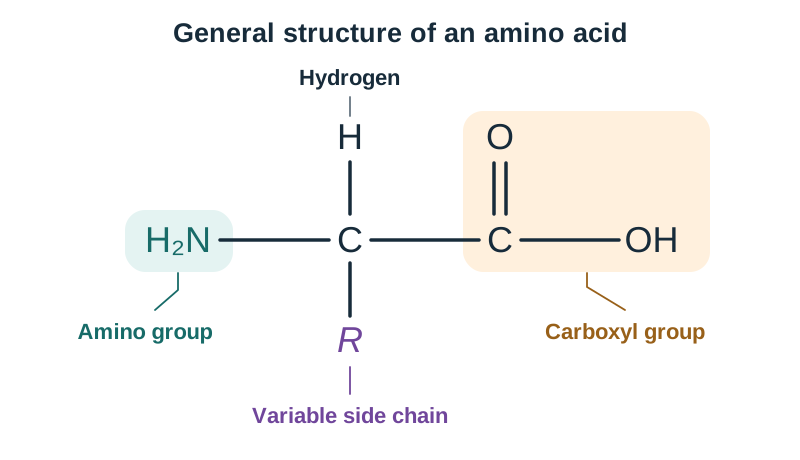
There are 20 common amino acids found in food and human tissues:
- Essential amino acids cannot be manufactured by the body and must be supplied ready-made in the diet. Adults require 8 essential amino acids: leucine, isoleucine, lysine, methionine, phenylalanine, threonine, tryptophan, and valine. Growing children require two additional ones (10 in total): histidine and arginine.
- Non-essential amino acids can be synthesised by the body, mainly in the liver. Examples include alanine, glycine, and serine. In an exam answer, be prepared to name at least two essential and two non-essential amino acids.
How a Peptide Bond Forms
Two amino acids join together through a condensation reaction. The basic amino group () of one amino acid reacts with the acidic carboxyl group () of another. A molecule of water () is eliminated, and a covalent link called a peptide bond () is formed:
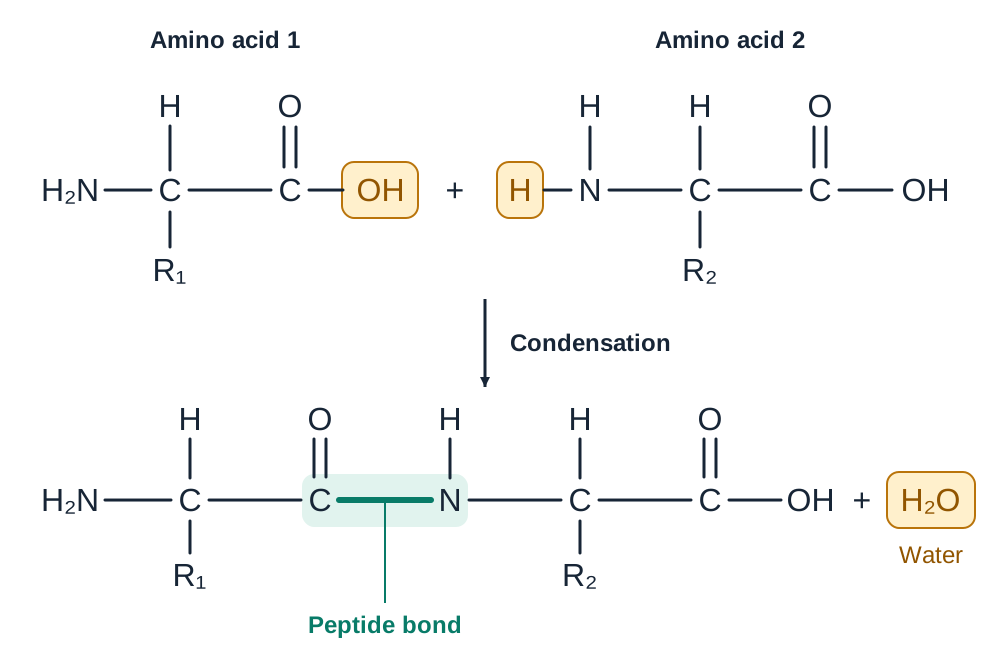
Two joined amino acids form a dipeptide; three form a tripeptide; chains of ten or more form a polypeptide. A protein is made of one or more long polypeptide chains, often hundreds of amino acids long, folded into a distinct 3D shape.
The reverse reaction is hydrolysis. During digestion or food processing, enzymes add a molecule of water back across the peptide bond, splitting the chain back into free amino acids.
Structure and Classification of Protein
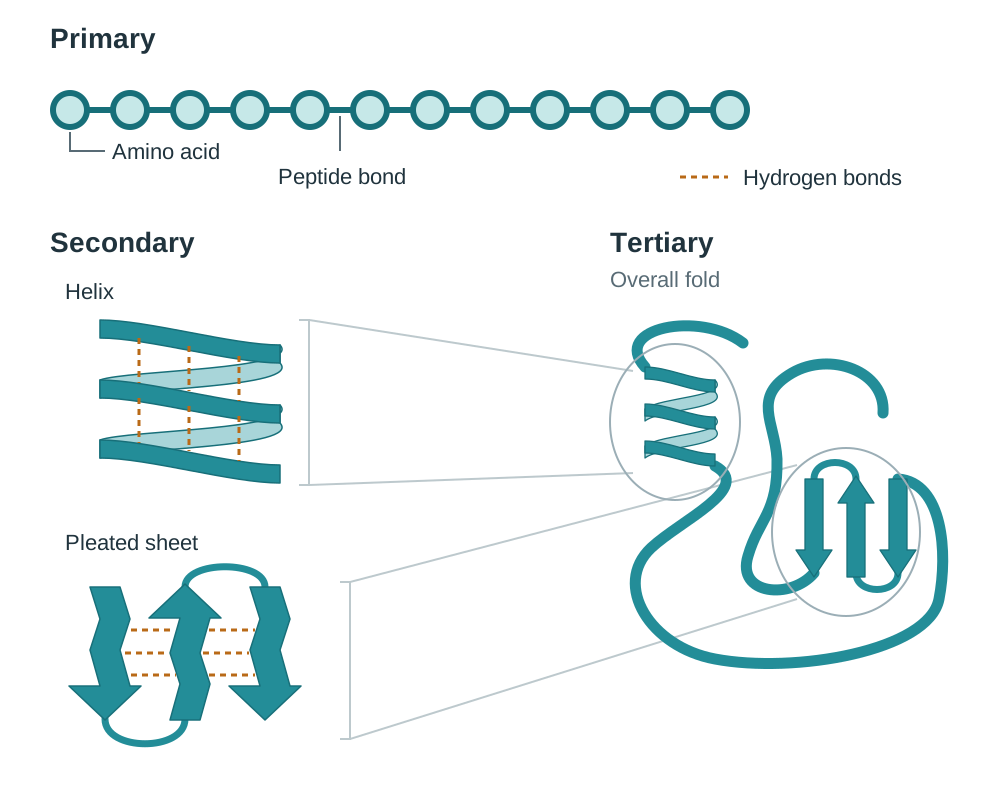
Proteins are organised into three levels of structure:
- Primary structure: The specific linear sequence of amino acids joined by peptide bonds along a polypeptide chain.
- Secondary structure: Cross-links form within or between chains, causing the chain to twist into a spiral (helix) or fold into a pleated sheet. Two main cross-links stabilise this shape:
- Disulphide links: Strong covalent bonds formed between two sulphur-containing amino acids (cysteine).
- Hydrogen bonds: Weaker bonds formed between the hydrogen of an group and the oxygen of a group along the chain.
- Tertiary structure: The coiled or folded chain folds further into a stable, overall three-dimensional shape. This shape is either:
- Fibrous: Long, straight, spiral, or zigzag chains that are tough and insoluble in water (e.g. collagen, elastin, myosin, gluten).
- Globular: Chains folded tightly into a compact, rounded shape that are soluble in water (e.g. ovalbumin, lactalbumin, haemoglobin).
Classification of Proteins
Leaving Certificate Home Economics divides proteins into two main groups based on chemical composition:
| Group | Sub-class | Characteristics | Examples |
|---|---|---|---|
| Simple: Animal | Fibrous | Insoluble in water, tough, linear chains; provide physical structure. | Collagen and elastin in meat connective tissue, myosin and actin in muscle fibres, keratin in hair and nails. |
| Simple: Animal | Globular | Soluble in water, compact rounded shape; easily denatured. | Ovalbumin in egg white, lactalbumin in milk whey. |
| Simple: Plant | Glutelins | Insoluble in water, soluble in dilute acids and alkalis. | Glutenin in wheat, oryzenin in rice. |
| Simple: Plant | Prolamines | Insoluble in water, soluble in 70–80% alcohol. | Gliadin in wheat, zein in maize. |
| Conjugated | Phosphoprotein | Protein joined to phosphoric acid. | Casein in milk. |
| Conjugated | Chromoprotein | Protein joined to a coloured pigment group containing a mineral. | Haemoglobin in blood (joined to iron-rich haem). |
| Conjugated | Lipoprotein | Protein joined to a lipid. | Lecithin in egg yolk. |
Food Sources and the Seven Named Proteins
Protein is distributed across both animal and plant foods. You need to know which foods contain each of the seven syllabus-named proteins, which group each belongs to, and what it does in food preparation and cooking:
| Named Protein | Food Source | Classification | Role in Cooking and Processing |
|---|---|---|---|
| Albumin | Egg white (ovalbumin), milk (lactalbumin) | Simple: Animal globular | Foams when whisked (meringues); coagulates with heat to set custards. |
| Casein | Milk, yoghurt, cheese | Conjugated: Phosphoprotein | Coagulated by acid or rennin into curds for cheese production. |
| Gelatine | Extracted from animal skin, tendons, and bones | Simple: Animal fibrous (derived) | Dissolves in hot liquid to form a sol; sets to a gel on cooling (jellies, mousses). |
| Gluten | Wheat flour (formed from gliadin + glutenin) | Simple: Plant (prolamine + glutelin) | Forms an elastic network during kneading that traps , setting bread during baking. |
| Myosin | Muscle tissue of meat, poultry, and fish | Simple: Animal fibrous | Muscle fibre protein; coagulates during cooking, firming the texture of meat. |
| Actin | Muscle tissue of meat, poultry, and fish | Simple: Animal fibrous | Works alongside myosin; coagulates on heating. |
| Collagen | Connective tissue in meat | Simple: Animal fibrous | Tough and insoluble in cold water; slowly hydrolyses into soluble gelatine in moist heat. |
Alternative Protein Foods
Many consumers choose meat substitutes made from plants or fungi for health, environmental, or animal welfare reasons. Two important manufactured alternatives are:
- Textured Vegetable Protein (TVP): Made from soya beans. Soya beans are de-hulled and defatted to yield soya flour. Carbohydrates are removed to concentrate the protein. The mixture is fortified with vitamin B12, iron and the essential amino acid methionine, heated, and forced through an extruder under pressure to produce a fibrous, meat-like texture before being cut and dried. TVP is cheap, high in fibre, low in saturated fat, shelf-stable, and versatile, but it requires rehydration in seasoned liquid because it is naturally bland.
- Mycoprotein: Made from the microfungus Fusarium venenatum. The fungus is grown in large fermenter vats supplied with glucose and oxygen. The harvested fungal biomass is heat-treated to reduce ribonucleic acid (RNA), drained, mixed with a binder (egg albumen, or potato protein in vegan products), textured to resemble mince or chunks, and steamed to set the structure. It is high in fibre, low in saturated fat, and provides High Biological Value (HBV) protein.
Functional Properties and Culinary Applications
Denaturation and Coagulation
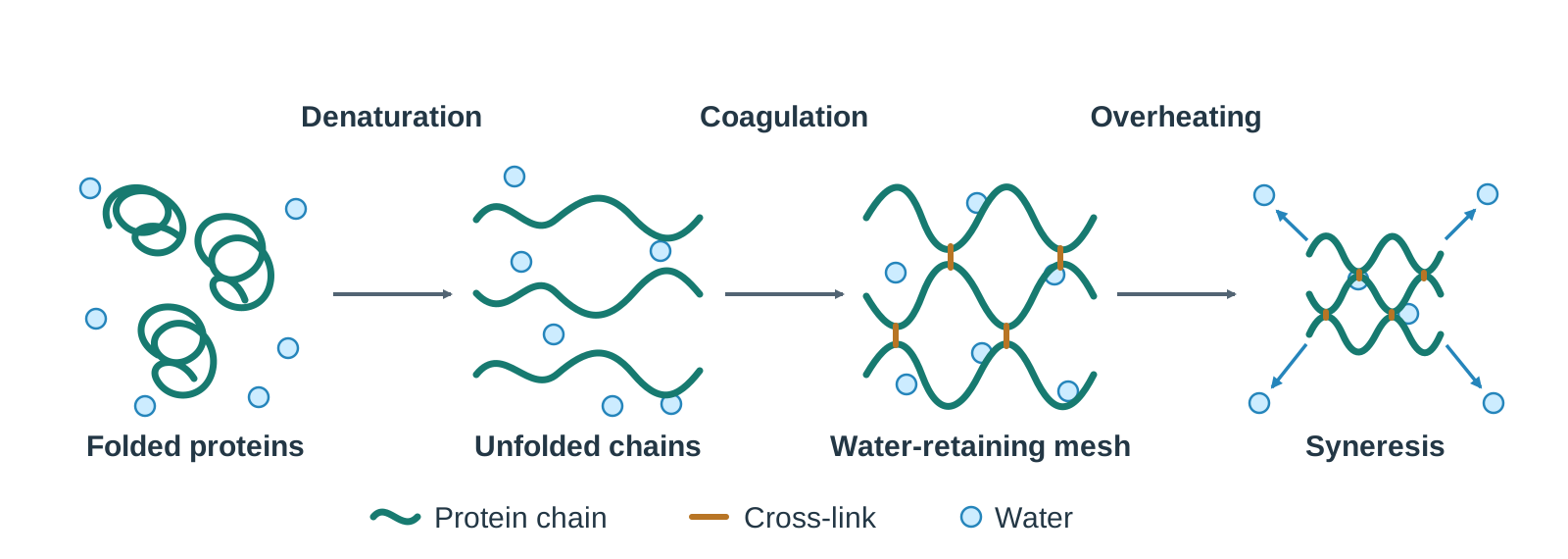
Denaturation is a change in the structure of a protein molecule. The secondary and tertiary cross-links break, causing the folded polypeptide chains to uncoil. Denaturation is usually irreversible and can be brought about by four triggers:
- Heat: Protein uncoils at rising temperatures (e.g. egg white begins denaturing at 60°C; egg yolk at 65°C). Culinary example: an egg setting when boiled or fried, or meat firming on a grill.
- Mechanical action: Vigorous stretching and agitation unfold chains. Culinary example: whisking egg whites for a meringue, or kneading bread dough.
- Acids (low pH): Acid breaks ionic and hydrogen bonds. Culinary examples:
- Marinades: Lemon juice, vinegar, or wine softens tough meat fibres.
- Souring milk: Lactic acid coagulates casein to produce buttermilk, yoghurt, and fresh curd cheeses.
- Poaching: Adding vinegar to poaching water helps egg whites set quickly around the yolk.
- Meringues: A drop of lemon juice or cream of tartar stabilises whisked egg-white foam.
- Enzymes: Enzymes break or alter specific protein bonds. Culinary examples:
- Meat tenderisers: Papain (from papaya) and bromelain (from pineapple) break down connective tissue and muscle fibres.
- Cheese-making: The enzyme rennin in rennet coagulates soluble caseinogen into insoluble casein (curd).
- Raw fruit in jelly: Fresh kiwi or pineapple contains enzymes that digest gelatine, preventing jelly from setting; tinned fruit can be used because canning heat destroys the enzymes.
Following denaturation, unfolded protein chains bond together into a firm mesh that traps water; this is coagulation. If protein is overheated, this mesh tightens excessively, squeezing out liquid. This shrinkage and water loss is called syneresis (e.g. scrambled eggs weeping watery liquid, or baked custard curdling).
Foam Formation
Foam formation occurs in four distinct steps:
- Whisking egg white (ovalbumin) mechanically unfolds the coiled protein chains.
- The uncoiled chains line up at the boundary between liquid and trapped air bubbles.
- The slight heat generated by whisking partially coagulates the albumin, setting a temporary foam.
- Baking (e.g. meringues, soufflés, sponge cakes) coagulates the protein fully, driving off water to make the foam structure permanent.
Foam stability: Adding sugar gradually or adding an acid (lemon juice or cream of tartar) strengthens and stabilises the foam. Introducing traces of fat, egg yolk, a greasy bowl, or excess salt weakens the foam and reduces its volume.
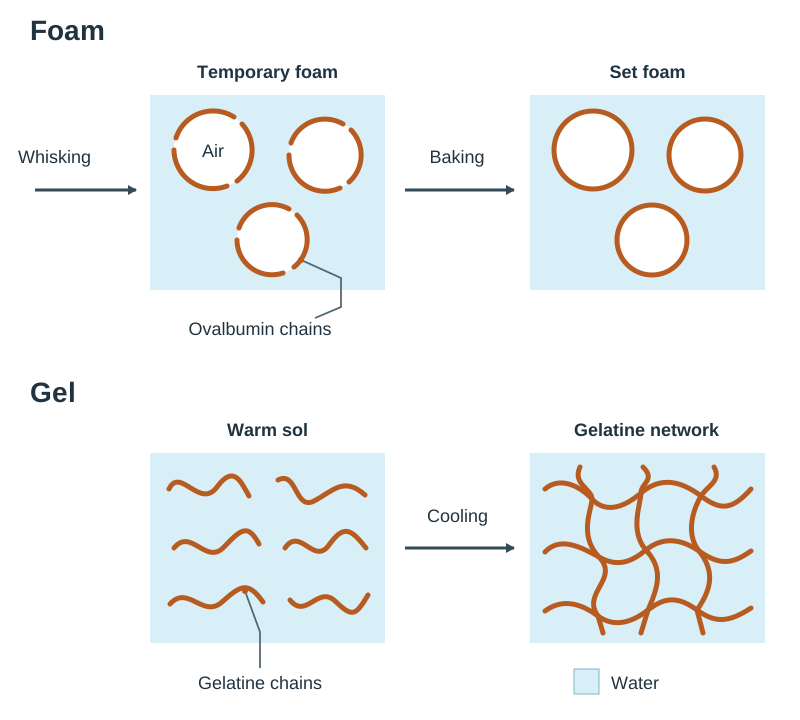
Gel Formation
Collagen present in meat connective tissue is converted into gelatine by prolonged moist heat. When gelatine (from meat stock, or bought leaf/powdered gelatine) is heated with liquid, it absorbs water and the protein chains uncoil, forming a liquid sol. Upon cooling, the chains cross-link into an elastic, three-dimensional network that traps water in its pockets, setting into a semi-solid gel. Culinary applications include table jellies, brawn, and chilled cheesecakes.
Culinary Role of Gluten
When wheat flour is mixed with water, the proteins gliadin and glutenin hydrate and combine to form gluten:
- Kneading (mechanical action): Stretches and aligns the gluten molecules into an elastic mesh that traps carbon dioxide produced by yeast, allowing the dough to expand and rise.
- Baking (heat): Heat coagulates the stretched gluten network, setting the permanent crumb structure of the loaf. Strong flour, with its higher gluten content, is used for yeast bread.
Effects of Dry and Moist Heat
- Dry Heat: Surface proteins coagulate, moisture evaporates, and the food shrinks. High surface heat causes amino acids to react with reducing sugars, producing a rich brown colour and savoury aroma known as the Maillard reaction (e.g. crust of roast beef or baked bread). Excessive dry heat chars protein, destroying amino acids.
- Moist Heat: Solubilises connective tissue by hydrolysing tough collagen into soft gelatine, tenderising tough stewing cuts. Individual muscle fibres separate easily.
- General effect on digestibility: Moderate cooking makes protein easier to digest because the chains are partially uncoiled, allowing digestive enzymes easier access. Overcooking by either dry or moist heat shrinks and hardens protein fibres, making them tough, dry, and harder to digest.
Biological Value, Complementation, and Energy Value
The nutritional quality of a dietary protein depends on its amino acid content:
- High Biological Value (HBV) / Complete proteins: Contain all essential amino acids in the proportions needed by the body for growth and repair. Animal foods (meat, fish, poultry, eggs, milk, cheese) provide HBV protein. Soya beans and quinoa (plants) and mycoprotein (from a fungus) are non-animal sources that also provide complete protein.
- Low Biological Value (LBV) / Incomplete proteins: Lack one or more essential amino acids. The missing or deficient essential amino acid is called the limiting amino acid. Most plant foods (cereals, pulses, nuts, seeds) are LBV proteins. For example, cereals are limited in lysine, while pulses (beans, peas, lentils) are limited in methionine.
Protein Complementation
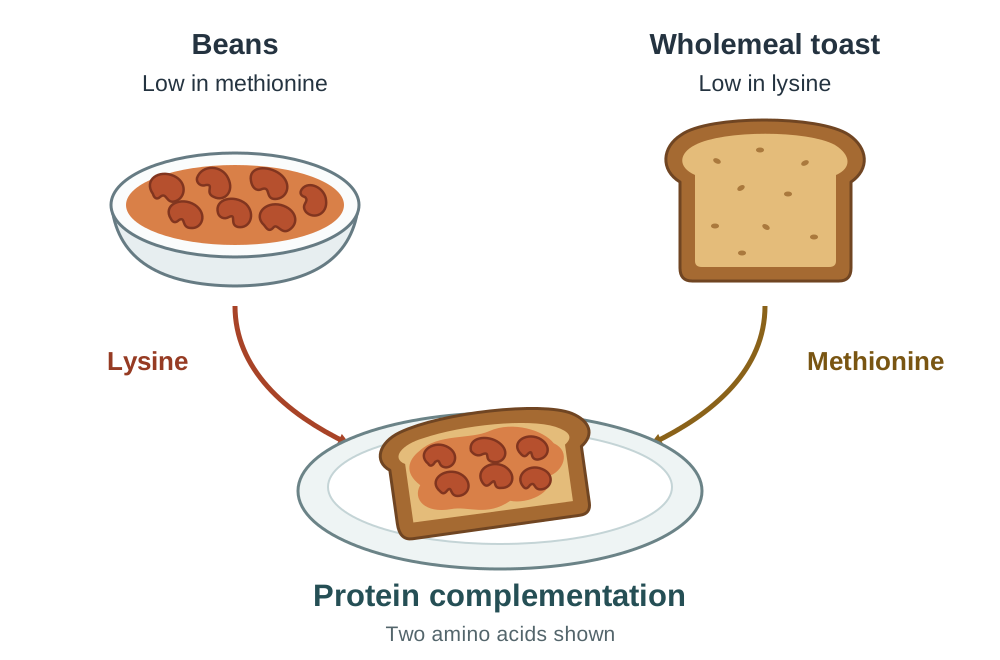
When two LBV plant foods with different limiting amino acids are eaten together in the same meal, the amino acid surplus of one compensates for the deficiency in the other. This process is called protein complementation (or the supplementary value of protein). Eaten together, the combination provides all essential amino acids, achieving the biological value of a complete HBV meal without animal products.
- Baked beans on wholemeal toast: Beans are low in methionine but rich in lysine; wholemeal bread is low in lysine but rich in methionine. Together, they form a complete protein intake.
- Lentil dahl with brown rice: Lentils supply lysine; rice supplies methionine.
- Pitta bread with hummus: Pitta provides methionine; chickpeas provide lysine.
Energy Contribution and Deamination
Protein should supply 10–15% of daily energy in an average balanced diet, yielding 17 kJ (4 kcal) per gram.
Calculation example: If a lunch dish contains of protein, its energy contribution from protein is:
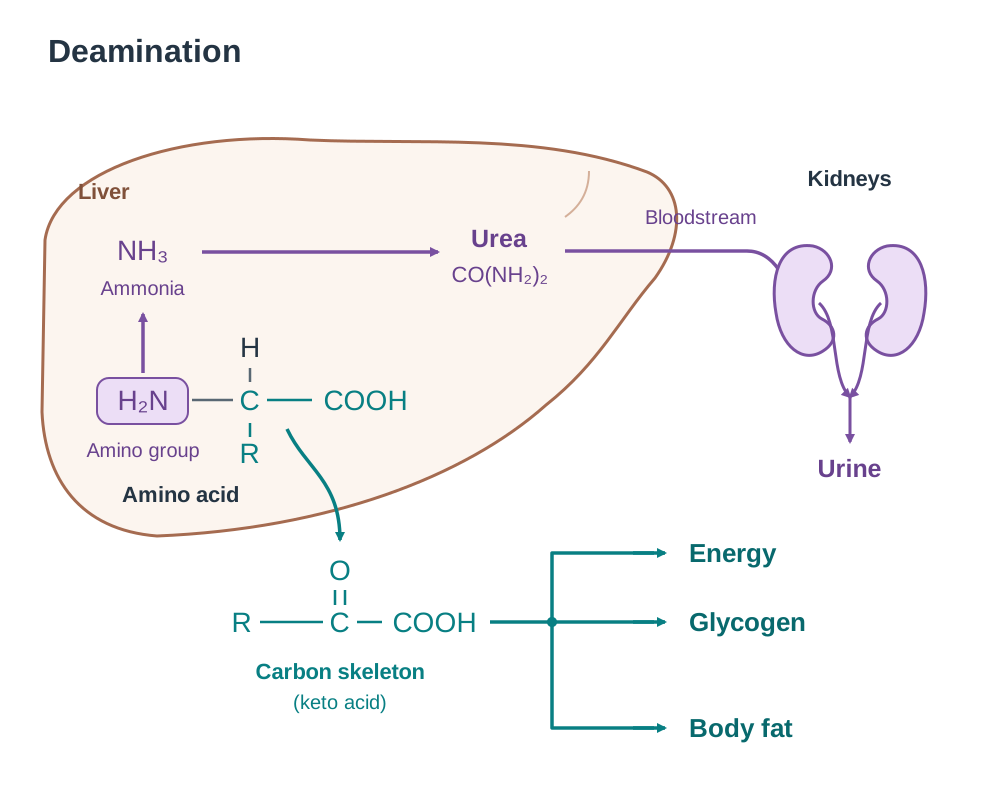
Protein's main role is tissue building and maintenance. However, if excess protein is consumed beyond daily structural needs, or if dietary carbohydrate and fat are insufficient to meet energy demands, surplus amino acids are broken down through deamination in the liver:
- The basic amino group () is removed from the amino acid.
- The liver converts this amino group into toxic ammonia (), which it quickly converts into harmless urea (). Urea travels in the bloodstream to the kidneys, where it is filtered out and excreted in urine.
- The remaining non-nitrogenous carbon-hydrogen-oxygen skeleton (keto acid) is oxidised directly for cellular energy or converted into glycogen or body fat (adipose tissue) for storage.
Digestion, Absorption, and Biological Functions
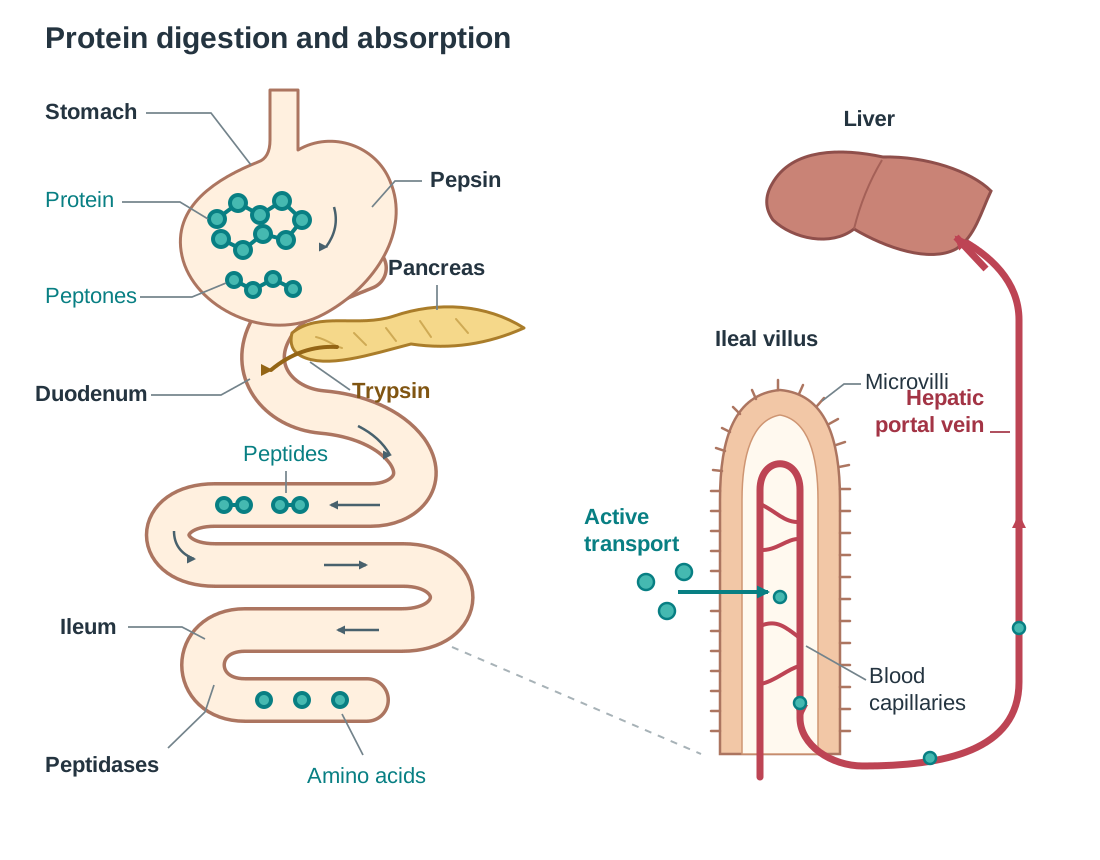
Protein digestion breaks long polypeptide chains into single, absorbable amino acids through a sequence of hydrolytic enzymes. No chemical digestion of protein happens in the mouth; chewing only breaks food into smaller pieces to increase surface area.
Digestion Sequence
| Source Organ / Juice | Site of Action | Enzyme | Substrate | End-Product |
|---|---|---|---|---|
| Stomach (Gastric juice) | Stomach | Pepsin (activated by ) | Proteins | Peptones |
| Stomach (Gastric juice in infants) | Stomach | Rennin (activated by ) | Soluble caseinogen | Insoluble casein (curd), then digested by pepsin |
| Pancreas (Pancreatic juice) | Duodenum | Trypsin (activated by enterokinase; bile and neutralise chyme) | Peptones | Peptides |
| Small intestine (Intestinal juice / succus entericus) | Ileum | Peptidases (erepsin) | Peptides | Free amino acids |
Absorption and Transport
Free amino acids pass through the microvilli of the ileum by active transport, enter the blood capillary network inside each villus, and travel through the hepatic portal vein directly to the liver. From the liver, amino acids are released into general circulation to be taken up by cells.
Biological Functions of Protein
When writing about biological functions in an exam, organise your points under the three official syllabus headings:
- Structural proteins: Used to build new cells during periods of rapid growth (infancy, childhood, adolescence, pregnancy), repair damaged tissues (wound healing, surgery recovery), and form structural tissues like collagen in skin and bone, keratin in hair and nails, and actin and myosin in muscle fibres.
- Physiologically active proteins: Used to manufacture vital metabolic regulators throughout the body, including enzymes (pepsin, amylase), peptide hormones (insulin, glucagon), and antibodies (immunoglobulins for fighting infection).
- Nutrient proteins: Proteins in food that supply the body with essential amino acids for growth and repair, such as casein in milk and ovalbumin in eggs. Excess amino acids provide a supplementary energy source () when carbohydrates and fats are depleted.
Key terms
- Amino Acid
- The basic structural unit of protein, consisting of a central carbon atom bonded to an amino group (-NH2), a carboxyl group (-COOH), a hydrogen atom (-H), and a variable radical side chain (-R).
- Essential Amino Acid
- An amino acid that cannot be synthesised by the human body in sufficient amounts to meet metabolic demands and must be supplied directly through the diet (8 required by adults, 10 by children).
- Peptide Bond
- The covalent link (-CO-NH-) formed between the basic amino group of one amino acid and the acidic carboxyl group of another during a condensation reaction with the elimination of water.
- High Biological Value (HBV)
- A measure of protein quality describing foods that provide all essential amino acids in the proportions needed by the body for maintenance, growth, and repair.
- Limiting Amino Acid
- The essential amino acid present in the smallest amount relative to bodily requirements in a low biological value food, which limits the overall nutritional quality of that protein.
- Protein Complementation
- Eating two low biological value (LBV) plant foods with different limiting amino acids in the same meal so the surplus of one compensates for the deficit in the other, producing a complete HBV profile.
- Denaturation
- A structural change in a protein molecule where the folded polypeptide chains uncoil due to the action of heat, mechanical action, acid, or enzymes; it is usually irreversible.
- Coagulation
- The setting and firming of denatured protein molecules into an insoluble, three-dimensional network that entraps liquid.
- Syneresis
- The shrinkage of a coagulated protein mesh due to overheating, which forces out trapped liquid (seen when scrambled eggs weep or custard curdles).
- Maillard Reaction
- Non-enzymatic browning that takes place during dry heating when the amino group of an amino acid reacts with a reducing sugar, producing a golden colour and savoury crust.
- Deamination
- The metabolic process in the liver where the amino group (-NH2) is removed from surplus amino acids and converted into urea for excretion by the kidneys, while the remaining keto acid is oxidised for energy.
- Mycoprotein
- A complete, high-fibre meat substitute produced by continuous aerobic fermentation of the microfungus Fusarium venenatum.
Check yourself
Name two essential amino acids and two non-essential amino acids in human nutrition.
Essential: lysine and valine (or leucine, isoleucine, methionine, phenylalanine, threonine, tryptophan). Non-essential: alanine and glycine (or serine).
State two causes of protein denaturation and give one culinary example of each.
Heat: egg white setting when fried or boiled. Mechanical action: whisking egg whites to produce a foam for meringues. (Other acceptable answers include acid, such as lemon juice tenderising meat in a marinade, or enzymes, such as rennin clotting milk in cheese-making).
Complete the missing details in this digestion step: Organ: Pancreas (secreted into duodenum) | Enzyme: ? | Substrate: Peptones | End-Product: ?
Enzyme: Trypsin. End-product: Peptides.
How does the slight heat generated during mechanical whisking affect egg-white foam formation?
The slight frictional heat produced by whisking partially coagulates the ovalbumin around trapped air bubbles, temporarily setting and stabilising the foam.
What is the limiting amino acid in wheat bread, and how does combining it with baked beans create a complete protein meal?
Wheat is limited in lysine but rich in methionine; baked beans are limited in methionine but rich in lysine. Combining them provides all essential amino acids through protein complementation.
Describe the chemical fate of the amino group (-NH2) during deamination in the liver.
The amino group (-NH2) is removed from the surplus amino acid, converted into toxic ammonia (NH3), and then quickly converted into harmless urea, which travels to the kidneys for excretion in urine.