

This topic covers why food goes off, how food poisoning happens, how we preserve food and keep it safe, why additives are used, and how the law and Irish statutory bodies protect the consumer. It integrates food microbiology, food preservation methods, kitchen hygiene systems including HACCP, additive classification, and core food legislation.
Mechanisms of Food Spoilage
Food spoilage is any disagreeable change in a food's normal state that makes it unpalatable or unsafe. You can usually detect these changes through sight, smell, taste, or texture.
1. Microbial Spoilage
Micro-organisms feed on nutrients in food and release metabolic waste products that cause off-odours, slimy surfaces, and sour flavours.
- Bacteria: Single-celled organisms that break down dietary proteins through putrefaction. They decompose amino acids to release foul-smelling compounds like hydrogen sulphide and ammonia.
- Yeasts: Single-celled fungi that ferment simple sugars into carbon dioxide and ethanol. This fermentation causes gas bubbles, alcohol taints, and souring in foods such as fruit juices and jams.
- Moulds: Multicellular fungi that form visible, fuzzy colonies on bread, soft fruit, and cheese. Their growth develops from thread-like networks called mycelia.
2. Enzymatic Spoilage
Enzymes are natural biological catalysts found in all plant and animal tissues. They remain active after harvesting or slaughter and drive continuous chemical changes.
- Over-ripening: Enzymes break down insoluble protopectin into soluble pectin and eventually into pectic acid. This breakdown softens plant cell walls until the fruit turns mushy and decays.
- Enzymic browning: Slicing or bruising plant tissues damages cells and exposes them to oxygen. Oxidase enzymes, such as polyphenol oxidase, react with oxygen and natural phenolic compounds to produce dark melanin pigments. Coating sliced apples with lemon juice lowers the surface pH, which denatures the oxidase and stops the discolouration.
- Low-temperature activity: Some enzymes stay active even in cold storage. Natural enzymes in fish cause flesh softening and off-odours inside domestic refrigerators. In unblanched frozen vegetables, active oxidases continue to destroy vitamin C and fade green chlorophyll.
3. Moisture Loss and Chemical Spoilage
- Moisture loss: Evaporation draws water out of food surfaces. Leafy vegetables wilt rapidly and citrus fruits develop wrinkled, dry skins when stored in dry air.
- Rancidity: Atmospheric oxygen reacts with unsaturated fatty acids in fats and oils (oxidative rancidity). This oxidation creates unpleasant, sharp flavours and stale odours in butter, nuts, and cooking oils.
- Physical damage: Bruising or punctures from transport break cell membranes. This damage exposes inner tissues to ambient oxygen, speeding up both enzymatic browning and microbial infection.
Factors Affecting Microbial Growth: Bacteria, Moulds, and Yeasts
Micro-organisms need specific environmental conditions to survive and multiply. Every preservation technique works by removing at least one of these necessities.
Factors Affecting Bacterial Growth
- Temperature: Bacteria are grouped by the temperatures at which they grow best:
- Psychrophiles: grow between 0°C and 20°C, causing spoilage in cold stores.
- Mesophiles: thrive between 20°C and 45°C, with an optimum around 37°C (human body temperature). Most food poisoning bacteria belong here.
- Thermophiles: prefer high temperatures between 45°C and 75°C.
- The danger zone is 5°C to 63°C. In this range, food poisoning bacteria multiply rapidly. Below 5°C their growth becomes dormant, while temperatures above 63°C begin to destroy active vegetative cells.
- Moisture: Bacteria absorb nutrients in liquid form through their cell membranes, so they require available water () to multiply.
- Oxygen:
- Obligate aerobes: must have oxygen to survive.
- Obligate anaerobes: grow only where oxygen is completely absent, such as sealed cans (Clostridium botulinum).
- Facultative anaerobes: adapt to grow with or without oxygen (Salmonella, Staphylococcus aureus).
- pH: Most pathogenic bacteria prefer neutral conditions (pH 6.6–7.5). High acid levels (pH below 4.5) inhibit their growth.
- Nutrients: Bacteria need sources of carbon, nitrogen, vitamins, and minerals. Moist, protein-dense foods like meat, poultry, shellfish, eggs, and dairy are known as high-risk foods.
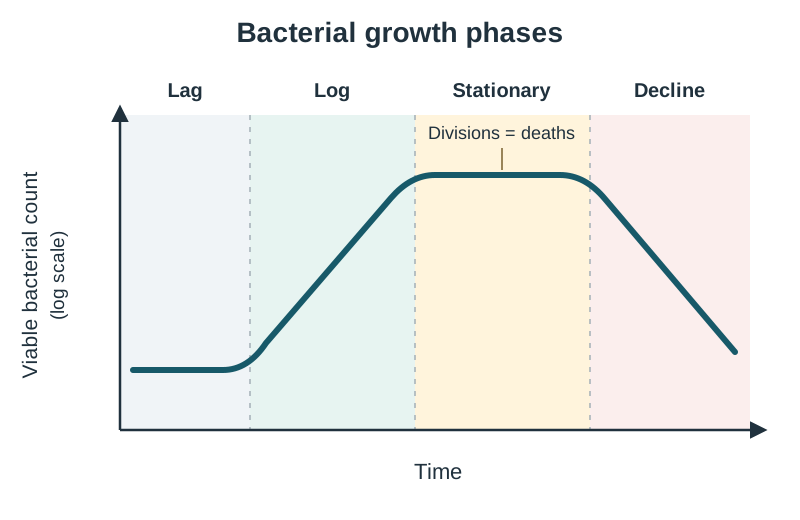
- Time: Under ideal conditions, bacteria reproduce by binary fission every 20 minutes. A bacterial population follows four growth phases: lag phase (adapting to conditions), log phase (rapid exponential multiplication), stationary phase (cell divisions equal cell deaths as nutrients drop), and decline phase (waste accumulation causes numbers to plummet).
When living conditions turn harsh, genera such as Clostridium produce heat-resistant spores. These dormant survival capsules survive boiling water and germinate back into active vegetative cells once the temperature drops into the danger zone.
Moulds and Yeasts
- Moulds: Multicellular fungi made of microscopic threads called hyphae. These hyphae weave together into a vegetative mat called a mycelium. Upright hyphae form spore cases (sporangia) that burst when mature, dispersing airborne spores that settle on food. Moulds need oxygen, grow best between 20°C and 30°C, and tolerate drier, more acidic foods than bacteria. Certain moulds produce poisonous substances called mycotoxins, like aflatoxins on peanuts.
- Yeasts: Unicellular fungi that reproduce by budding, where a parent cell develops an outgrowth, transfers a copy of its nucleus, and pinches off. Yeasts thrive between 25°C and 30°C in moist, sugary, acidic foods such as fruit purees. They can grow in both aerobic and anaerobic conditions.
Useful Micro-organisms in Food Production
- Bacteria: Lactic acid bacteria turn lactose into lactic acid to make yogurt and cheese.
- Yeast: Yeast ferments sugar to carbon dioxide (which raises bread) and alcohol (beer, wine).
- Moulds: Penicillium moulds ripen blue cheeses such as Cashel Blue, and the mould Fusarium venenatum is grown to make mycoprotein (Quorn).
Food Poisoning: Infectious vs Toxic Pathogens
Food poisoning is an acute illness caused by eating food contaminated with pathogenic bacteria, bacterial toxins, toxic chemicals, or natural biological poisons like green potato solanine.
Infectious vs Toxic Bacterial Food Poisoning
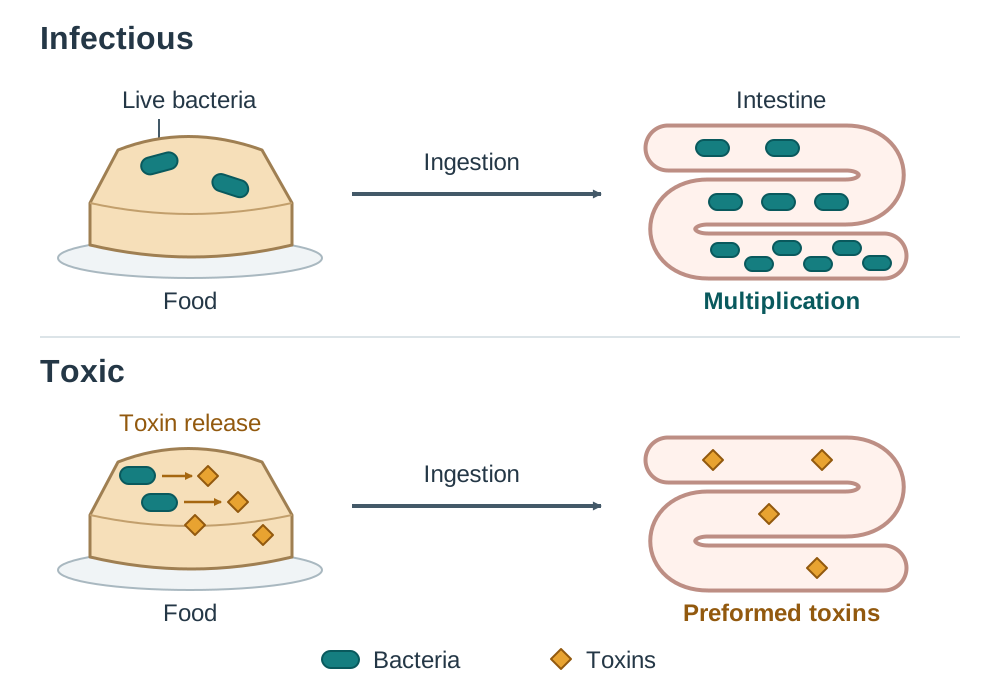
Bacterial food poisoning occurs through two completely different biological pathways:
| Feature | Infectious Food Poisoning | Toxic Food Poisoning |
|---|---|---|
| Cause | Eating live bacteria that multiply inside the digestive tract and release endotoxins as they die. | Consuming food containing preformed exotoxins released by bacteria while growing on the food. |
| Incubation Period | Slower onset, taking 12 to 72 hours while the bacteria establish and divide in the intestine. | Usually rapid, e.g. 1 to 6 hours for Staphylococcus aureus, because the toxin is already in the food. (Clostridium botulinum is an exception at about 12 to 36 hours because its toxin attacks the nerves.) |
| Heat Resistance | Live vegetative bacteria are destroyed when the food core reaches 75°C. | Some exotoxins, e.g. that of Staphylococcus aureus, are heat-stable and survive normal cooking. |
| Examples | Salmonella, Listeria monocytogenes, Escherichia coli. | Staphylococcus aureus, Clostridium botulinum. |
Profiles of Major Food Poisoning Bacteria
- Salmonella: Gram-negative, rod-shaped, non-spore-forming facultative anaerobe*. Habitat: intestines of humans, birds, and animals, plus untreated water. High-risk foods: undercooked poultry, raw eggs, raw milk. Optimum temperature: 37°C. Incubation: 12–36 hours. Symptoms: diarrhoea, abdominal cramps, fever, nausea, and vomiting.
- Listeria monocytogenes:* Gram-positive, rod-shaped, non-spore-forming bacterium. Habitat: soil, animal manure, sewage, unpasteurised milk. It is psychrotrophic, meaning it continues to multiply at fridge temperatures below 5°C. High-risk foods: soft cheeses, deli meats, ready-to-eat salads, unpasteurised dairy. Incubation: 1 to 70 days. Symptoms: flu-like fever and aches, with severe risks of miscarriage or meningitis in pregnant women and newborns.
- Staphylococcus aureus:* Gram-positive spherical bacterium (coccus) that does not form spores. Habitat: human skin, nose, cuts, boils. High-risk foods: hand-prepared foods served cold, such as sliced ham, cream pastries, potato salad. It produces heat-stable exotoxins. Incubation: 1–6 hours. Symptoms: severe vomiting, stomach cramps, mild diarrhoea.
- Clostridium botulinum:* Gram-positive, spore-forming, obligate anaerobe. Habitat: soil, lake mud, fish intestines. High-risk foods: home-canned low-acid vegetables, vacuum-packed fish, honey (for babies under one year only). It produces a lethal neurotoxin. Incubation: 12–36 hours. Symptoms: double vision, swallowing problems, paralysis, respiratory failure.
Principles and Methods of Food Preservation
Preservation slows down or halts food decay by making conditions unliveable for micro-organisms and destroying active enzymes.
Core Preservation Principles
- Temperature control: Chilling (0°C–5°C) slows microbial growth; freezing (−18°C) halts growth and turns liquid water to ice; heating above 75°C denatures proteins to kill vegetative cells.
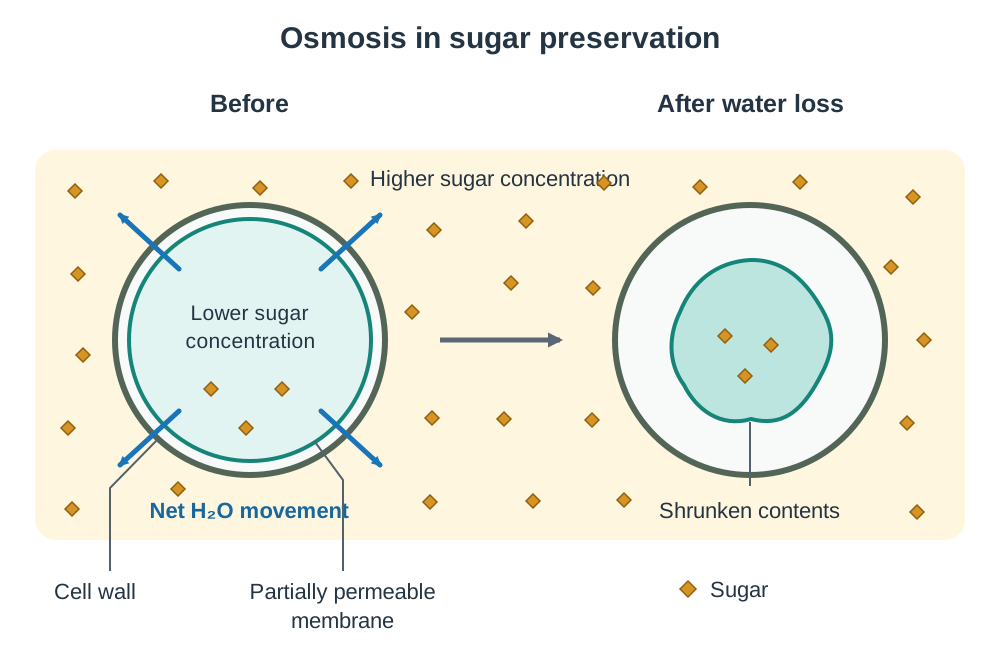
- Moisture control: Removing water stops microbes from absorbing dissolved nutrients. Dehydration removes water by evaporation, while high salt or sugar concentrations draw water out of cells by osmosis.
- pH modification: Adding acid lowers the pH below 4.5, which denatures microbial enzymes and stops bacterial growth.
- Oxygen removal: Vacuum sealing, canning, and modified atmosphere packaging exclude atmospheric oxygen to stop aerobic spoilage.
Industrial Preservation Methods
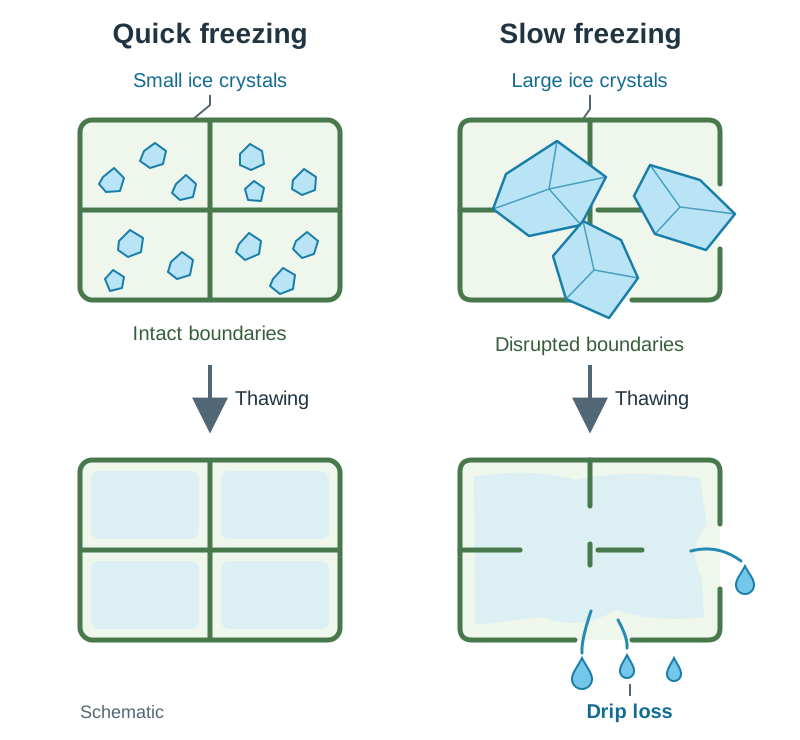
- Freezing: Commercial methods include blast freezing with cold air streams, plate freezing between refrigerated metal shelves, and cryogenic immersion in liquid nitrogen at −196°C. Quick freezing produces small ice crystals that leave cell walls intact, whereas slow freezing creates large crystals that pierce cells, causing drip loss when thawed.
- Heat processing:
- Pasteurisation: Milk is heated to 72°C for 15 seconds, then chilled below 10°C. This destroys disease-causing bacteria with only a slight loss of vitamins B and C, giving refrigerated milk a shelf life of several days.
- Sterilisation: Food is heated to 110°C–120°C for 20–30 minutes to kill all vegetative microbes and spores, though it degrades heat-sensitive vitamins and alters flavour.
- Ultra-Heat Treatment (UHT): Liquid foods are heated to 132°C–140°C for 1–3 seconds and sealed into sterile cartons. This gives up to six months of ambient shelf life with good flavour retention.
- Canning: Food in sealed metal cans is heated under steam pressure to 121°C to destroy Clostridium botulinum spores. Swollen, dented, or leaking cans indicate gas-producing spoilage and must be thrown away.
- Dehydration: Industrial drying uses hot air tunnels, spray drying (misting milk into heated chambers to yield milk powder), or Accelerated Freeze Drying (AFD). In AFD, frozen food sits in a vacuum chamber with gentle heat. Ice sublimates directly into vapour without melting, leaving the food's cellular structure, colour, and taste intact.
- Chemical preservation: Permitted additives inhibit microbes, such as sulphur dioxide () in dried fruit or sodium benzoate () in fizzy drinks.
- Fermentation: Beneficial microbes convert sugars into organic acids or alcohol. In yogurt, lactic acid bacteria convert lactose into lactic acid, lowering the pH to prevent spoilage.
- Irradiation: Food is exposed to measured gamma rays from cobalt-60. The radiation damages the DNA of insects, bacteria, and moulds without making the food radioactive. Irradiated food must be labelled 'irradiated' or 'treated with ionising radiation'; the Radura symbol may also be shown.
Comparative Evaluation of Preserved Vegetables
| Method | Vitamin Retention | Texture & Colour | Convenience & Storage |
|---|---|---|---|
| Fresh | High when harvested; drops during transport and home storage. | Crisp texture and bright colour. | Highly perishable; needs washing, trimming, and peeling. |
| Frozen | High; minimal vitamin C loss during initial blanching. | Retains natural colour; slight softening after cooking. | Long storage at −18°C; ready to cook directly from the freezer. |
| Canned | Moderate; heat-sensitive vitamins leach into surrounding liquid. | Softened texture; green colours turn dull olive. | Immediate use with no cooking needed; stores at room temperature. |
| Dried (AFD) | Good; the freeze-dry process retains most nutrients. | Crisp and brittle until rehydrated in warm water. | Very light weight; long shelf life in ambient store cupboards. |
Two Home Preservation Methods
Method 1: Home Freezing of Vegetables
- Procedure: Wash, peel, and trim fresh vegetables. Blanching: Submerge the pieces in boiling water for 1–4 minutes, then plunge them into an ice-water bath to stop the cooking. Drain thoroughly, spread on trays to freeze individually, pack into moisture-vapour-proof freezer bags, squeeze out excess air, label with the contents and date, and freeze quickly at −25°C. Store at −18°C.
- Principle: Blanching heat denatures and destroys ripening enzymes like oxidase. Freezing food to −18°C halts bacterial growth and locks liquid water into ice crystals, depriving microbes of moisture.
- Spoilage risks: Inadequate blanching allows surviving enzymes to degrade colour and flavour in the freezer. Poor wrapping causes moisture to sublimate from the surface, creating dry, tough, discoloured patches known as freezer burn.
Method 2: Jam Making
- Procedure: Simmer prepared fruit in a pan to soften the skins and release natural pectin. Add lemon juice if the fruit is low in acid. Add warmed granulated sugar (enough for the finished jam to contain about 60–65% sugar) and stir until completely dissolved. Boil rapidly until it reaches the setting point at 104°C (check with a cold saucer wrinkle test). Skim surface froth, pour into warm sterilised jars, seal with a waxed disc and lid, and label.
- Principle: High boiling heat destroys vegetative microbes and denatures fruit enzymes. The high sugar concentration creates high osmotic pressure, pulling water out of any microbial cells by osmosis to prevent growth. Added acid helps pectin set into a firm gel, while the airtight seal keeps out airborne spores.
- Spoilage risks: Using too little sugar lets wild moulds or yeasts ferment the jam. Unsterilised jars or loose lids let airborne mould spores enter and grow across the surface.
Food Safety, Kitchen Hygiene, and HACCP Systems
Maintaining a safe kitchen requires consistent personal hygiene, proper cleaning habits, strict temperature control, and a systematic risk plan.
Safe Food Handling and Reheating
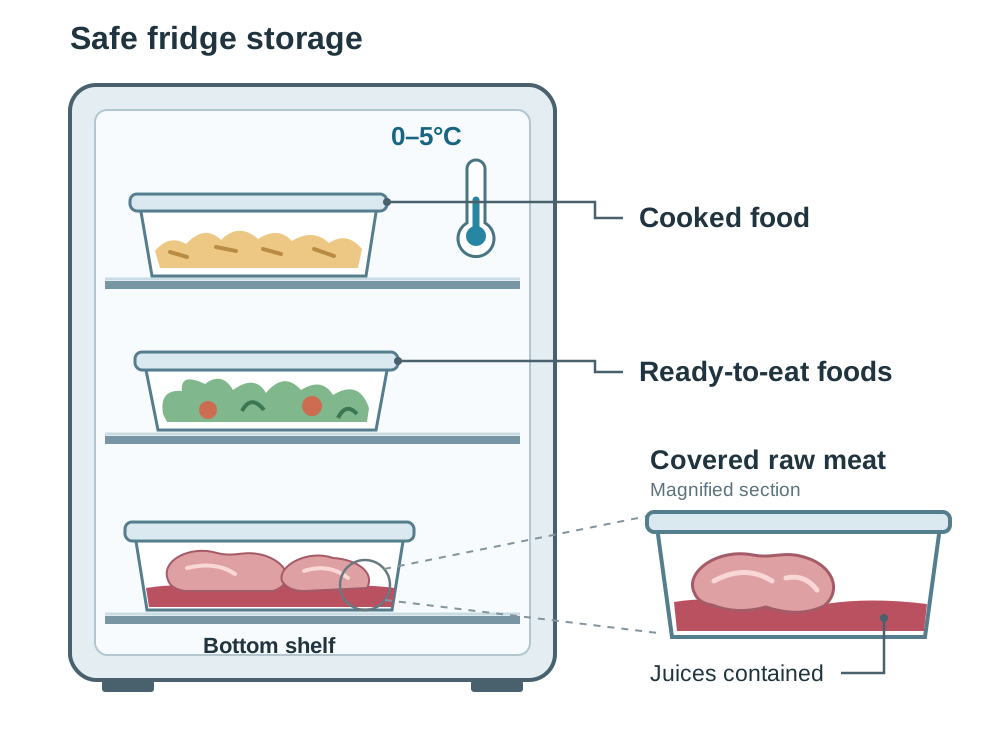
- Storage: Keep domestic fridges between 0°C and 5°C and freezers at −18°C. Store raw meats in covered dishes on the bottom fridge shelf so drips cannot reach cooked foods. Rotate stock using First In, First Out (FIFO) and monitor dates. Store cupboards should remain clean, dry, and cool.
- Cooling leftovers: Cool hot cooked food within two hours by dividing it into shallow containers, then place it in the fridge straight away.
- Reheating: Reheat food only once, heating the core to at least 70°C–75°C. Do not reheat food in a bain-marie because it warms food too slowly and is built only for hot holding.
Personal and Kitchen Hygiene
- Personal hygiene: Wash hands with warm water and soap for at least 20 seconds before touching food, after using the toilet, and after handling raw meat or bins. Wear a clean apron, tie back hair, remove rings or watches, and cover cuts with a bright blue waterproof plaster. Anyone with vomiting or diarrhoea must stay out of the food preparation area.
- Kitchen hygiene: Wash surfaces with antibacterial spray as you work. Use colour-coded boards and knives (red for raw meat, blue for raw fish, yellow for cooked meat, green for fruit and salad, brown for unwashed root veg, white for bread and dairy). Change dishcloths daily or use disposable paper towels. Keep kitchen bins covered and empty them regularly.
HACCP Systems
Hazard Analysis and Critical Control Point (HACCP) is a systematic management system that identifies, evaluates, and controls food safety hazards. The 7 Principles of HACCP are:
- Conduct a hazard analysis.
- Determine the Critical Control Points (CCPs).
- Establish critical limits for each CCP.
- Establish monitoring procedures for CCPs.
- Establish corrective actions when monitoring shows a CCP is out of control.
- Establish verification procedures to confirm the system works effectively.
- Establish documentation and record keeping.
- ISO 9000: An international quality management standard verifying that a food processing company follows documented procedures to ensure consistent quality, food safety, and regulatory compliance.
Food Additives: Functions, Origins, and Control
A food additive is any substance not normally consumed as a food by itself, intentionally added to food during processing or packaging to improve preservation, colour, flavour, or texture.
Origins of Additives
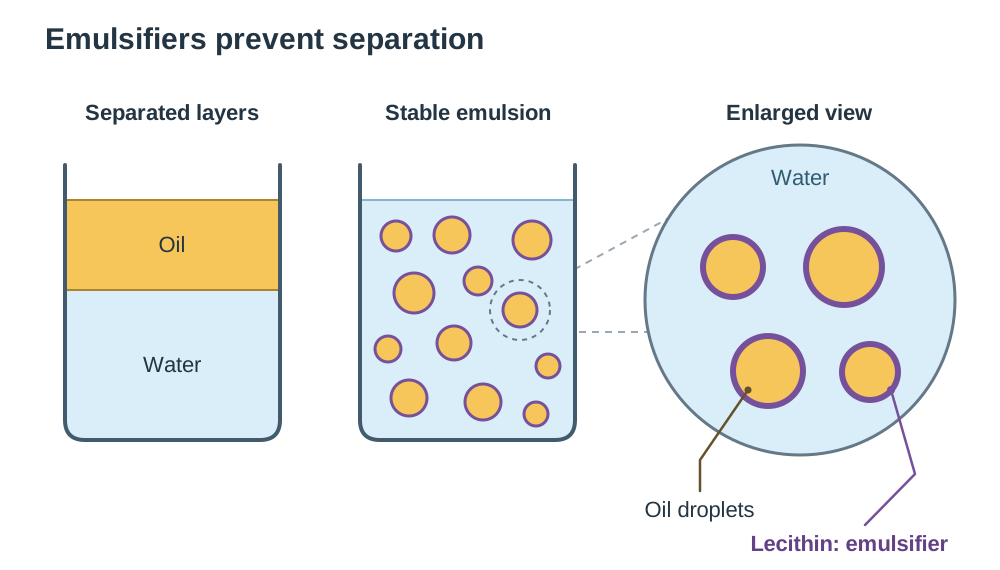
- Natural: Extracted directly from plants or animals (e.g. beta-carotene from carrots, lecithin from egg yolks).
- Nature-identical: Synthesised in a laboratory to be chemically identical to compounds found in nature (e.g. synthetic ascorbic acid).
- Artificial: Man-made chemical formulations that do not occur in nature (e.g. tartrazine , saccharin).
Functional Classes of Additives
- Preservatives: Inhibit microbial multiplication to extend shelf life. Examples: salt in bacon; sodium benzoate () in acidic soft drinks; sulphur dioxide () in dried fruit.
- Antioxidants: Prevent fats and oils from reacting with oxygen and turning rancid. Examples: ascorbic acid (vitamin C, ) in fruit juice; butylated hydroxyanisole (BHA, ) in vegetable oils.
- Colourings: Restore colour lost during heat processing or give uniform colour to food. Examples: natural beta-carotene () in margarine; synthetic tartrazine () in sweets.
- Emulsifiers: Stop oil and water from separating by holding them in a stable emulsion. Example: lecithin () in mayonnaise.
- Stabilisers: Prevent emulsions from breaking down and maintain uniform texture. Example: carrageenan () in ice cream.
- Anti-caking agents: Stop powders from absorbing moisture and clumping into lumps. Example: silicon dioxide () in table salt.
- Humectants: Retain moisture so baked foods do not dry out. Example: glycerol () in cakes and icing.
- Flavourings and flavour enhancers: Flavourings supply aroma and taste (e.g. synthetic ethyl vanillin). Flavour enhancers boost the food's existing savoury notes without contributing a distinct flavour of their own (e.g. monosodium glutamate, MSG, ).
- Sweeteners: Add sweetness with few or no calories. Intense sweeteners (e.g. aspartame, ) are hundreds of times sweeter than table sugar; bulk sweeteners (e.g. sorbitol, ) provide volume and chewiness in sugar-free gum.
- Nutritive additives: Fortify foods to replace nutrients lost during processing or address population deficiencies. Examples: vitamin D added to milk; folic acid added to breakfast cereals.
Weighing Additive Use: Advantages vs Disadvantages
- Advantages: Prevents spoilage, reduces household food waste, safeguards against food poisoning, restores appetizing colours, and provides low-sugar choices for diabetics.
- Disadvantages: Some additives trigger sensitivities (e.g. sulphites triggering asthma attacks, synthetic colours linked to hyperactivity); they can mask poor-quality raw ingredients; aspartame is dangerous for individuals with phenylketonuria (PKU).
Legal Control of Additives
Under European Union regulations, additives are strictly managed:
- The European Food Safety Authority (EFSA) assesses toxicity data and sets an Acceptable Daily Intake (ADI) for every substance.
- Approved additives receive an E-number, proving they have passed safety assessments and are permitted only in specific foods at measured levels.
Food Legislation and Consumer Protection Agencies
National laws and European directives work alongside state inspection bodies to safeguard consumer health across Ireland.
Core Food Legislation
- Sale of Food and Drugs Acts (1875, 1879, 1899, 1936): Foundational consumer laws that make it an offence to adulterate food with harmful additives or sell food that is not of the nature, substance, or quality demanded by the shopper.
- Food Hygiene Regulations (1950–1989): Set mandatory hygiene standards for Irish food premises. They required food businesses to register with local health boards, made selling contaminated food illegal, excluded infected staff from food preparation areas, and gave inspectors the legal power to close down unhygienic kitchens. These rules have since been replaced by EU Regulation 852/2004 on the hygiene of foodstuffs, which requires HACCP-based procedures and staff training.
- Health (Official Control of Foodstuffs) Regulations 1991: Put EU food control rules into Irish law. They empower Environmental Health Officers (EHOs) to inspect food premises at any stage of manufacturing, take samples for laboratory testing, inspect business records, and seize unsafe food.
- Labelling Regulations (1982 and 1991; updated by EU No 1169/2011): Require pre-packaged food to display clear information: the name of the food, an ingredients list in descending order by weight, allergens highlighted in bold, net quantity, best-before or use-by dates, storage requirements, and manufacturer details.
- Use-by date: Applied to perishable foods (e.g. fresh poultry, milk); eating food past this date carries an immediate health risk.
- Best-before date: Relates to optimal sensory quality and texture (e.g. dry biscuits, canned fruit); food eaten past this date is safe to eat, although its quality may drop.
Irish Food Safety Agencies
- Food Safety Authority of Ireland (FSAI): The national body that coordinates the enforcement of food safety legislation across Ireland. It manages service contracts with statutory enforcement bodies (like the HSE), issues public food recalls, advises the Minister for Health, and supports commercial food businesses in setting up HACCP systems.
- Department of Agriculture, Food and the Marine (formerly Department of Agriculture, Food and Rural Development): Enforces standards across farms, abattoirs, and meat plants. It oversees veterinary inspections and checks meat and dairy for pesticide, antibiotic, and chemical residues.
- Department of Health (formerly Department of Health and Children): Drafts national food safety legislation and sets public health nutrition guidelines.
- Health Service Executive (replacing Regional Health Boards): Employs Environmental Health Officers (EHOs) who carry out routine inspections of restaurants, caterers, and supermarkets, take food samples for analysis, investigate food poisoning outbreaks, and issue closure orders.
- Public Analyst Laboratories: State laboratories run by the HSE that analyse food and water samples submitted by EHOs. They test for chemical toxins, microbial pathogens, illegal additives, and packaging label accuracy.
- Competition and Consumer Protection Commission (incorporating the Director of Consumer Affairs): Protects consumer rights by enforcing fair trading laws, prosecuting misleading advertising, and ensuring food packaging descriptions are accurate.
Key terms
- Putrefaction
- The decomposition of proteins by bacteria under anaerobic conditions, producing foul-smelling compounds like hydrogen sulphide and ammonia.
- Enzymic Browning
- A chemical reaction in cut or damaged plant tissue where oxidase enzymes react with phenolic substances and oxygen to create dark melanin pigments.
- Danger Zone
- The temperature band between 5°C and 63°C where food poisoning bacteria multiply most rapidly.
- Infectious Food Poisoning
- An illness caused by eating live pathogenic bacteria that establish in the intestine and release endotoxins as they die.
- Toxic Food Poisoning
- An illness caused by ingesting preformed exotoxins produced by bacteria while multiplying on food before it is eaten.
- Facultative Anaerobe
- A micro-organism capable of surviving and multiplying both in the presence and in the complete absence of atmospheric oxygen.
- High-Risk Foods
- Moist, protein-rich foods such as poultry, seafood, dairy, and eggs that support rapid bacterial multiplication.
- Blanching
- Immersing vegetables briefly in boiling water and then plunging them into ice water to denature ripening enzymes before freezing.
- Osmosis
- The movement of water molecules across a semi-permeable membrane from a low solute concentration to a high solute concentration, used in salting and jamming to dehydrate microbial cells.
- HACCP
- Hazard Analysis and Critical Control Point; a systematic preventive food safety management system that identifies, evaluates, and controls hazards.
- Critical Control Point (CCP)
- A specific stage in food preparation where a control measure must be applied to prevent, eliminate, or reduce a food safety hazard to a safe level.
- E-Number
- An identification code assigned to a food additive indicating it has undergone safety assessments by EFSA and is approved for use across the EU.
Check yourself
What is the temperature range of the bacterial danger zone?
Between 5°C and 63°C.
Why is Salmonella classified as both a mesophile and a facultative anaerobe?
It grows best at moderate body temperatures (optimum 37°C) and can multiply either with or without atmospheric oxygen.
Why are vegetables blanched in boiling water before freezing?
The heat of blanching permanently denatures and inactivates ripening enzymes such as oxidase, preventing loss of vitamins, flavour, and colour during frozen storage.
Why does toxic food poisoning have a much shorter incubation period than infectious food poisoning?
Toxic food poisoning results from ingesting preformed exotoxins that irritate the digestive tract rapidly (such as Staphylococcus aureus within 1–6 hours), whereas infectious bacteria must first colonise the intestines over 12–72 hours before releasing endotoxins.
Which public body replaced the Regional Health Boards, and what role do its Environmental Health Officers carry out?
The Health Service Executive (HSE). Its Environmental Health Officers inspect commercial food premises, take food and water samples for analysis, investigate food poisoning outbreaks, and enforce hygiene regulations.