

Micro-organisms are microscopic living cells that can spoil food, cause serious food poisoning, or produce foods like cheese, bread, and yoghurt. In Leaving Certificate Home Economics, you need to know three main groups: bacteria, moulds, and yeasts. You must be able to classify them, outline their ideal growth conditions, explain how they cause food spoilage alongside natural enzymes, and distinguish between infectious and toxic food poisoning.
Conditions Affecting Microbial Growth (FATTOM)
Every micro-organism needs a specific environment to feed, grow, and multiply. In food science, we summarise these factors using the acronym FATTOM:
- Food: Most bacteria prefer moist, protein-rich foods such as meat, fish, milk, and eggs. We call these high-risk foods. Moulds and yeasts prefer carbohydrate foods containing sugars or starch, such as bread, fruit, and jam.
- Acidity (pH): Bacteria generally grow best in a neutral or slightly alkaline environment between pH 6.5 and 7.5. Most bacteria, including food poisoning bacteria, cannot multiply below pH 4.5, which is why pickling works. Moulds and yeasts tolerate acid far better. Moulds survive across a wide pH range of 2.0 to 8.0, while yeasts prefer mildly acidic conditions between pH 4.0 and 6.0.
- Temperature: Micro-organisms fall into three distinct temperature categories based on their optimum growth points:
- Psychrophiles: Thrive in the cold from -5°C to 20°C.
- Mesophiles: Prefer moderate warmth from 20°C to 45°C, with 37°C being the optimum for human pathogens.
- Thermophiles: Thrive in high heat from 45°C to 75°C.
- The temperature band between 5°C and 63°C is called the danger zone, where food poisoning bacteria multiply rapidly. Domestic refrigerators must stay between 0°C and 5°C to slow growth, and cooking food to a core temperature of 75°C kills living vegetative bacteria.
- Time: Under ideal conditions, a single bacterium divides into two every 20 minutes by binary fission. Within a few hours, a tiny bacterial load can escalate into millions of cells.
- Oxygen: Organisms have different oxygen requirements. Aerobes must have oxygen (most moulds), anaerobes grow only in the absence of oxygen (Clostridium botulinum in sealed cans), and facultative anaerobes can adapt to grow with or without it (Salmonella, Staphylococcus aureus, and yeasts).
- Moisture: Microbial cells need available, unbound water to transport nutrients. This is measured as water activity (), where pure water equals 1.0. Bacteria require high moisture with , yeasts need , and moulds can tolerate drier conditions down to .
Bacteria: Structure, Reproduction, and Endospores
Bacteria are single-celled microscopic organisms. A typical bacterial cell contains internal cytoplasm, ribosomes for protein synthesis, and a single circular loop of bacterial DNA lying free in the cell without a nuclear membrane. Surrounding the cell is a delicate cell membrane and a rigid protective cell wall. Some strains have a slimy outer capsule that defends them against drying out and white blood cells, and some possess flagella, which are whip-like tails used for swimming through liquids.
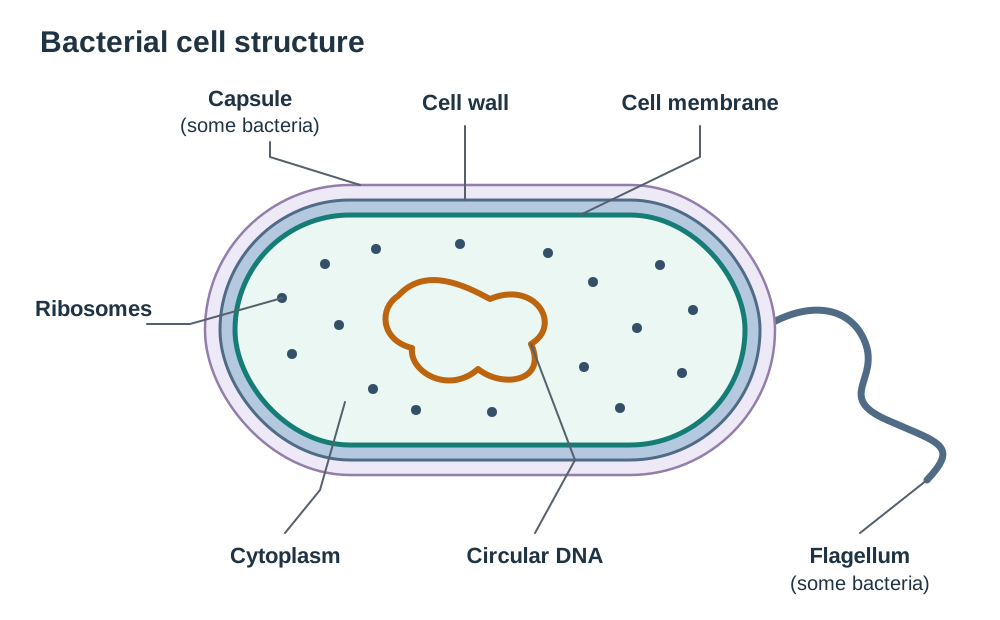
We classify bacteria by shape into three groups. Spherical cells are called cocci (occurring in chains such as Streptococcus or clusters like Staphylococcus), rod-shaped cells are bacilli (such as Salmonella and Listeria), and spiral forms are called spirilla (such as Campylobacter). They are also classified using Gram staining. Gram-positive bacteria possess a thick peptidoglycan cell wall that retains crystal violet dye, turning them purple under a microscope. Gram-negative bacteria have a thinner wall covered by an outer membrane; they lose the purple dye during washing and take up the pink safranin counterstain instead.
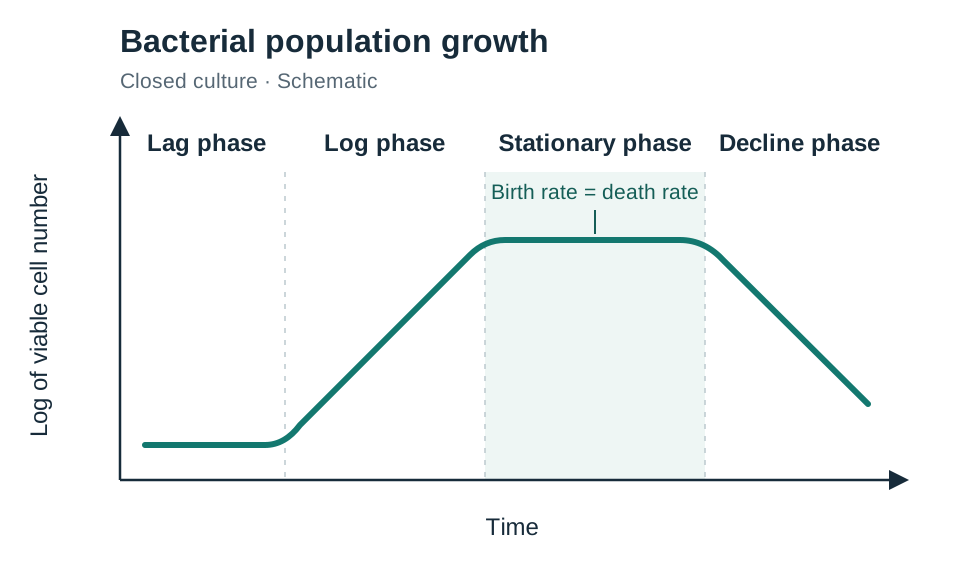
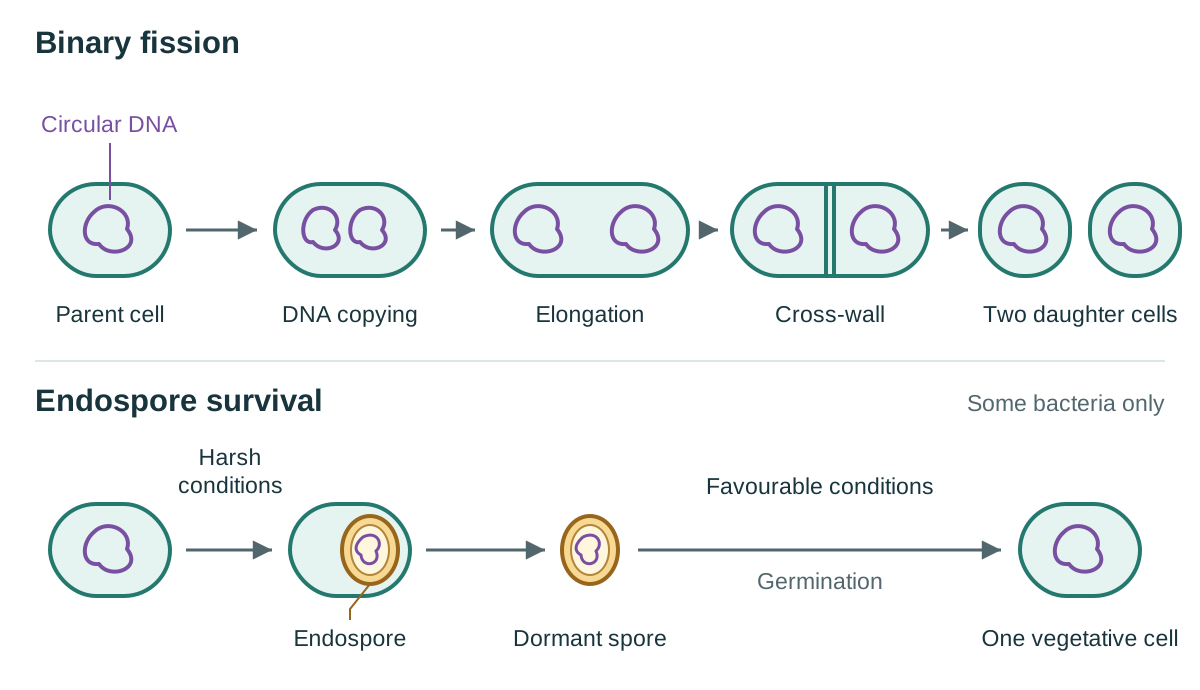
Bacteria multiply asexually by binary fission. The circular DNA replicates, the cell elongates to pull the two copies apart, a cross-wall develops down the centre, and the cell cleaves into two identical daughter cells. In a closed environment, a bacterial population passes through four distinct phases: the lag phase (adapting to conditions without dividing), the log phase (rapid, exponential division), the stationary phase (death rate matches birth rate as nutrients deplete), and the decline phase (toxic waste accumulation causes cell deaths to outpace new divisions).
When conditions turn harsh, such as during severe drought or starvation, certain rod-shaped bacteria (notably Bacillus and Clostridium) protect themselves by forming an endospore. The cell encases a copy of its DNA inside a tough, dehydrated protein coat. Normal boiling at 100°C will not kill these spores. When favourable warmth and moisture return, the endospore germinates back into an active, vegetative bacterial cell. In commercial canning, food is heated to 121°C under pressure for at least 3 minutes to destroy Clostridium botulinum spores.
Food Poisoning: Infectious vs Toxic Pathogens
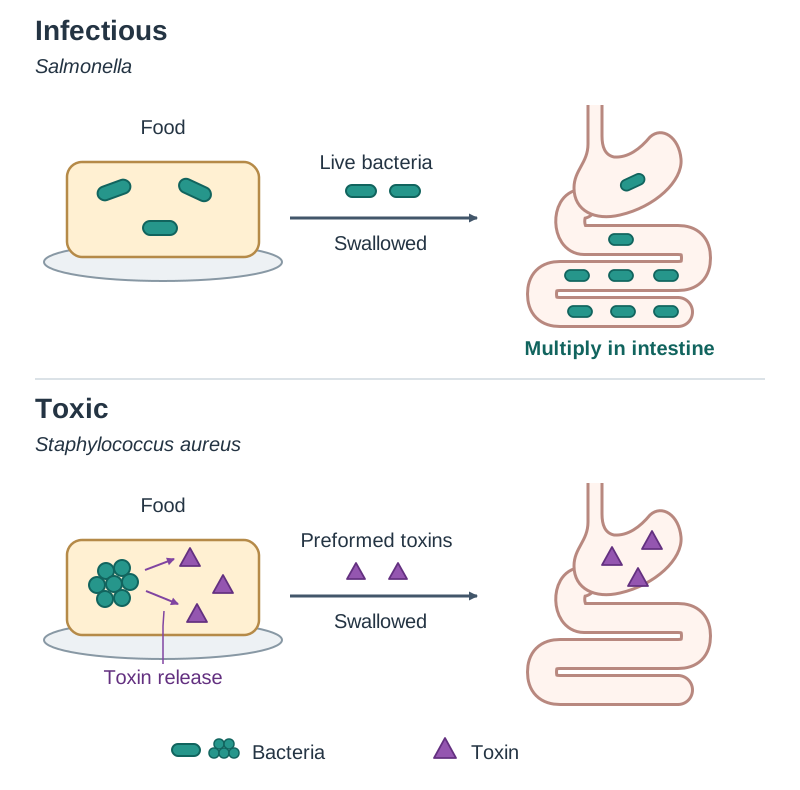
Food poisoning is an acute illness caused by eating food contaminated by bacteria, biological toxins, or chemicals. The Leaving Certificate requires you to understand the biological difference between infectious and toxic food poisoning.
Infectious food poisoning happens when you eat food containing living pathogenic bacteria. Once swallowed, the live cells travel to your intestines, multiply, and release endotoxins as they die and break down. Because the bacteria need time to establish themselves in the digestive tract, the incubation period is relatively slow, taking roughly 12 to 36 hours. A classic example is Salmonella.
Toxic food poisoning happens when you consume food containing poisonous exotoxins that were secreted directly into the food by bacteria growing on it before the food was eaten. Because the toxic chemical is already formed, it irritates the stomach lining almost immediately, producing a rapid onset of symptoms within 1 to 6 hours (often around 2 hours). A classic example is Staphylococcus aureus. The exotoxin made by Staphylococcus aureus is heat-stable, so boiling the food may kill the bacteria but leave the poison intact.
Profiles of Three Key Pathogens
- Salmonella (Infectious):** Gram-negative, rod-shaped bacillus, facultative anaerobe, and mesophile. Its main habitats are the gut of poultry, farm animals, and humans, as well as untreated water. High-risk foods include raw or undercooked poultry, unpasteurised eggs, and raw minced meat. Symptoms appear in 12 to 36 hours and include diarrhoea, abdominal cramps, vomiting, and fever. Prevent it by cooking poultry and eggs to a core temperature of 75°C and using separate red chopping boards for raw poultry.
- Staphylococcus aureus (Toxic):** Gram-positive, spherical coccus arranged in grape-like clusters, facultative anaerobe, and mesophile. It lives on human skin, in the nose, throat, boils, and open cuts. High-risk foods are cooked foods handled after cooking, such as sliced ham, cream pastries, and sandwich fillings. The incubation period is 1 to 6 hours, producing projectile vomiting and severe abdominal pain, often with a subnormal body temperature and no fever. Prevent it by covering all cuts with waterproof blue plasters, not touching hair or face, and chilling cooked dishes below 5°C.
- Listeria monocytogenes (Infectious):** Gram-positive, rod-shaped, non-sporing bacillus, facultative anaerobe, and mesophile that is psychrotrophic (able to grow at refrigeration temperatures between 0°C and 5°C). It is widely found in soil, animal manure, sewage, and unwashed raw vegetables. High-risk foods include soft unpasteurised cheeses (brie, camembert), pâté, and pre-packed cooked meats. The incubation period can range from several days up to several weeks. It causes flu-like chills and fever, but poses extreme danger to pregnant women because it can cross the placenta and cause miscarriage, stillbirth, or severe neonatal meningitis.
Fungi: Moulds, Large Fungi, and Yeasts
Fungi are plant-like organisms that lack chlorophyll. Because they cannot manufacture their own carbohydrates by photosynthesis, they live as saprophytes (feeding on dead organic matter) or parasites.
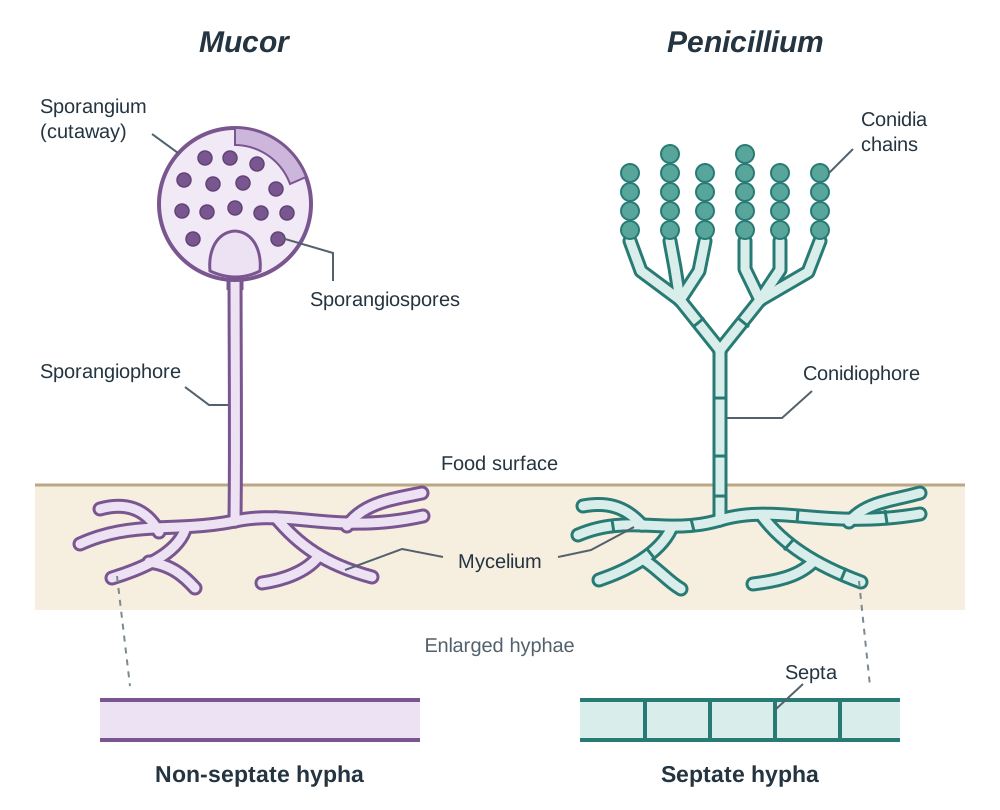
Moulds
Moulds consist of branching microscopic threads called hyphae. These hyphae grow over and through food, secreting digestive enzymes and absorbing broken-down nutrients. Together, they form a dense, visible, furry carpet called a mycelium.
- Phycomycetes (e.g. Mucor): These moulds have non-septate hyphae, meaning the filaments are continuous hollow tubes without internal dividing walls. They reproduce asexually by growing upright stalks called sporangiophores, which develop round, closed spore cases called sporangia at the tip. When ripe, the sporangium bursts and scatters sporangiospores. Mucor* forms fluffy, cotton-wool-like growth on stale bread and soft fruit.
- Ascomycetes (e.g. Penicillium, Aspergillus): These moulds have septate hyphae, where the threads are divided into distinct cellular compartments by cross-walls called septa. They reproduce asexually by producing chains of naked spores called conidia from the tips of branched, brush-shaped stalks called conidiophores. Penicillium produces flat, powdery blue-green circles on citrus rinds and hard cheeses. Aspergillus grows on damp grains, nuts, and dried fruit, producing dangerous carcinogenic toxins known as aflatoxins*.
Large Fungi (Basidiomycetes)
Edible mushrooms and wild toadstools are large macroscopic fungi. Below the ground or inside rotting wood, an extensive feeding mycelium develops. When mature, it sends up a fleshy fruiting body consisting of a stalk (stipe) and an umbrella-shaped cap. Microscopic club-shaped structures called basidia line the gills under the cap and release reproductive spores into passing air currents.
Yeasts
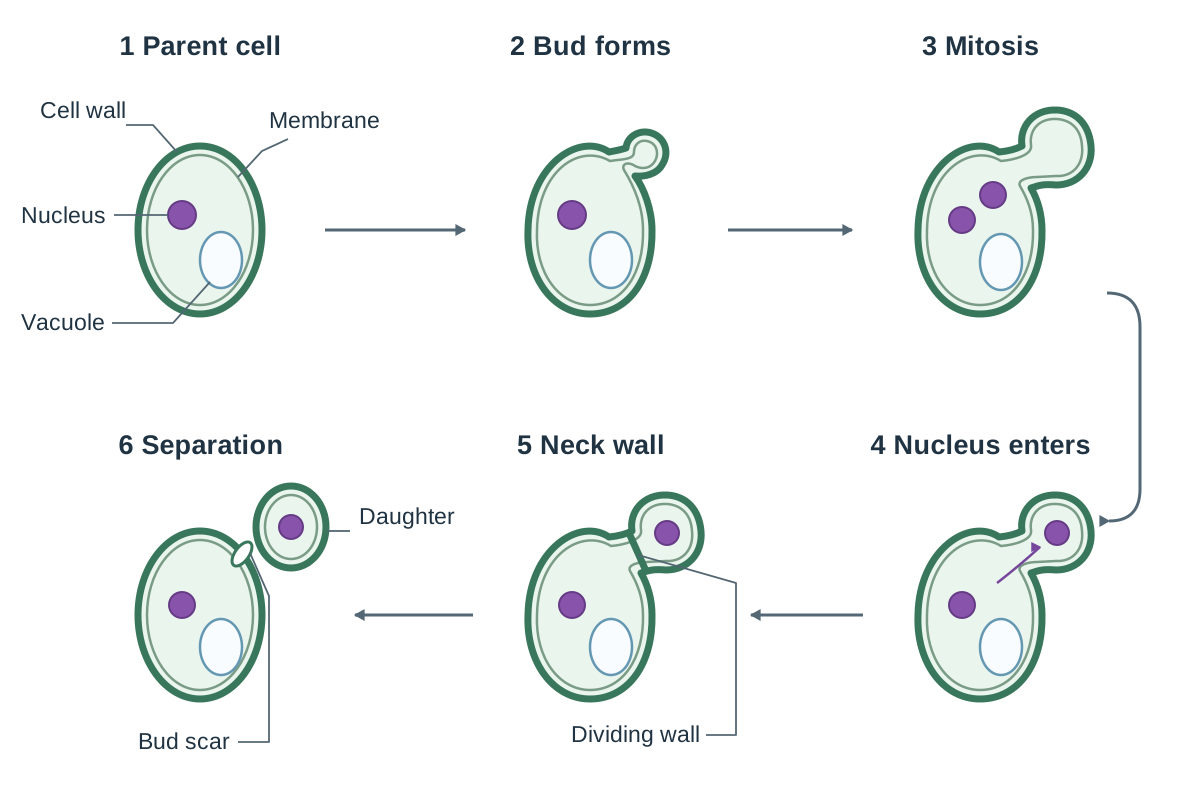
Yeast (Saccharomyces cerevisiae) is a single-celled microscopic fungus with an oval shape. Under a microscope, you can identify its outer cell wall, cell membrane, cytoplasm, distinct nucleus, clear vacuole, and circular bud scars.
- Reproduction by Budding: In warm, moist, sugary conditions, yeast reproduces asexually. A small outward bulge forms on the parent cell wall. The nucleus divides by mitosis, and one daughter nucleus moves into the swelling bud. A wall forms across the narrow neck, and the new cell pinches off, leaving a bud scar on the parent.
- Fermentation: When oxygen is shut out during bread-making or brewing, yeast switches from aerobic respiration to anaerobic fermentation. Using its natural enzyme complex zymase, it converts simple sugars into ethanol, carbon dioxide, and energy:
In bread-making, the carbon dioxide bubbles become trapped inside the stretchy gluten network, expanding during baking to make the loaf rise. The small amount of alcohol evaporates off in the hot oven.
Food Spoilage and Preservation Principles
Food spoilage refers to any unpleasant change in a food's colour, flavour, texture, or smell that makes it unpalatable or unsafe to eat. It is caused by living micro-organisms, natural enzymes, or physical and chemical factors:
- Moisture loss: Produce shrinks and wrinkles.
- Rancidity: Fats react with oxygen, causing off-flavours.
- Physical damage: Bruising breaks cells, releases enzymes and lets microbes in.
Spoilage Caused by Enzymes
Enzymes are natural protein catalysts present inside all plant and animal tissues. They do not stop working when a plant is picked or an animal is slaughtered. Left unchecked, they cause spoilage in three main ways:
- Over-ripening: Ripening enzymes continue breaking down carbohydrates and cell walls well past peak eating quality, leaving fruit soft, mushy, and decayed (e.g. a firm banana turning brown and collapsing into liquid).
- Enzymic Browning: When plant cells are sliced or bruised, cell walls tear open and release the enzyme oxidase. In the presence of atmospheric oxygen, oxidase reacts with phenolic compounds in the plant to produce brown melanin pigments. This is why cut raw apples and peeled potatoes turn brown when exposed to air.
- Enzymic Deterioration: Some enzymes continue working even at freezing or chill temperatures. Enzymes in oily fish break down fats and proteins to create rancid off-odours in the fridge, while unblanched frozen vegetables lose their bright colour and vitamin C because plant oxidases stay active.
We control enzymes by altering their environment: heat above 70°C denatures them permanently (e.g. blanching vegetables before freezing), cold below 5°C slows their action, acids like lemon juice drop the pH below their working range, and covering cut fruit with water stops oxygen from reaching the oxidase enzymes.
Spoilage Caused by Micro-organisms
Microbes decompose food nutrients to fuel their own growth:
- Putrefaction: Anaerobic bacteria break down animal proteins into foul-smelling nitrogen and sulphur compounds, such as hydrogen sulphide, producing the rotten smell of decaying meat and fish.
- Souring / Acid Fermentation: Lactic acid bacteria ferment lactose milk sugar into lactic acid. The falling pH causes the milk protein casein to curdle and turn sour.
- Surface Slime and Discolouration: Bacteria multiply into sticky, moist layers of slime on cold stored meats, while moulds grow visible velvety spore colonies over bread, soft fruit, and cheese rinds.
Principles of Food Preservation
Every food preservation technique works by altering or removing at least one condition that microbes and enzymes need to survive:
- Heat Processing: High temperatures denature enzyme proteins and destroy microbial cells. Milk pasteurisation heats milk to 72°C for 15 seconds to kill pathogens, while pressure canning heats food to 121°C to destroy heat-resistant bacterial endospores.
- Cold Storage: Refrigeration (0°C to 5°C) slows down microbial multiplication and enzyme activity. Deep freezing (-18°C) solidifies liquid water into ice, making water unavailable and forcing cells into dormancy.
- Dehydration: Removing water drops the water activity () below what microbes require to transport nutrients across their cell membranes (e.g. dried milk powder and instant soup).
- High Solute Concentrations (Osmosis): Adding high levels of sugar (jam containing 65% sugar) or salt (cured bacon) creates a concentrated solution around the food. Water is drawn out of microbial cells by osmosis, causing them to shrivel and become inactive.
- Acid Addition (Lowering pH): Pickling uses vinegar (ethanoic acid) to drop the pH below 4.5. This denatures bacterial enzymes and prevents microbial multiplication.
Beneficial Uses of Micro-organisms in Food
Not all micro-organisms cause disease or spoil food. Many are carefully cultivated in commercial food production to create distinct flavours, textures, and products:
- Cheese Production: Lactic acid bacteria (Lactococcus lactis) are added to milk to convert lactose into lactic acid, providing the mild acidity needed for the enzyme rennet to coagulate milk into curds and whey. In blue cheeses, spores of the mould Penicillium roqueforti are added to the milk or curd; the cheese is later pierced so air can enter, allowing the mould to grow into colourful blue veins and sharp flavours, while Penicillium camemberti forms the soft, edible white rind on brie and camembert.
- Yoghurt Manufacture: Pasteurised whole or skimmed milk is inoculated with two specific thermophilic bacteria: Lactobacillus bulgaricus and Streptococcus thermophilus. The milk is held at 42°C, allowing the bacteria to ferment lactose into lactic acid. This mild acid coagulates the milk proteins into a smooth, thick gel and gives yoghurt its characteristic clean, tangy taste.
- Vinegar Manufacture: Acetic acid bacteria (Acetobacter) convert dilute alcohol from fermented apples (cider) or wine into ethanoic acid in the presence of oxygen.
- Novel Protein (Mycoprotein): The micro-fungus Fusarium venenatum is grown inside large, continuous fermentation tanks supplied with glucose syrup and oxygen. The resulting filamentous biomass is harvested, bound with egg albumen, and textured into Quorn products, providing an alternative protein source high in dietary fibre and low in saturated fat.
Key terms
- Binary Fission
- A form of asexual reproduction in bacteria where a single cell duplicates its circular DNA and divides into two identical daughter cells.
- Endospore
- A tough, dormant, heat-resistant structure formed inside certain bacteria (such as Clostridium and Bacillus) that withstands drought and boiling.
- Exotoxin
- A soluble protein poison secreted into food by living bacteria as they grow, causing toxic food poisoning with rapid onset.
- Endotoxin
- A toxin held within bacterial cells and released into the gut only when the bacteria multiply, die, and break down.
- Danger Zone
- The temperature range between 5°C and 63°C in which food poisoning bacteria multiply rapidly.
- Water Activity (aw)
- A measurement of unbound water in food available to support microbial metabolism, scored on a scale from 0.0 to 1.0.
- Hyphae
- Microscopic, thread-like filaments that absorb nutrients and make up the growing structure of a mould.
- Mycelium
- A dense, visible, intertwined network of fungal hyphae that forms the fuzzy growth on mouldy food.
- Budding
- An asexual process in yeast where a daughter cell grows outward as a bud from the parent cell wall before separating.
- Zymase
- The natural enzyme complex in yeast that ferments simple sugars into ethanol and carbon dioxide under anaerobic conditions.
- Enzymic Browning
- A chemical reaction where the enzyme oxidase in damaged plant cells reacts with atmospheric oxygen to produce dark melanin pigments.
- Putrefaction
- The anaerobic decomposition of proteins by bacterial enzymes, generating foul-smelling compounds like hydrogen sulphide.
- Aflatoxins
- Poisonous, carcinogenic toxins produced by Aspergillus moulds on improperly dried nuts, seeds, and grains.
- Mesophile
- A micro-organism that grows best at moderate temperatures between 20°C and 45°C, with 37°C being optimum.
Check yourself
What is the danger zone temperature range, and why is it important in food preparation?
The danger zone is 5°C to 63°C. It is the temperature range where food poisoning bacteria multiply rapidly, so perishable food should never be kept in this band for extended periods.
Why does toxic food poisoning produce symptoms much faster than infectious food poisoning?
In toxic food poisoning, the bacteria have already secreted poisonous exotoxins directly into the food before it is eaten, irritating the stomach within 1 to 6 hours. Infectious bacteria must first be swallowed and establish themselves in the gut before releasing endotoxins, taking 12 to 36 hours.
Give two ways to prevent sliced apples from turning brown, and explain the biological principle behind each.
1. Coat with lemon juice: the citric acid lowers the pH away from the oxidase enzyme's optimum range, denaturing or slowing it. 2. Submerge in cold water: this blocks atmospheric oxygen from reaching the oxidase enzyme in the cut plant cells.
Which food poisoning bacterium can grow at refrigeration temperatures, and which vulnerable group must avoid high-risk foods associated with it?
Listeria monocytogenes can grow at 0°C to 5°C. Pregnant women must avoid high-risk foods like unpasteurised soft cheeses and pâté because the bacteria can cross the placenta, causing miscarriage or stillbirth.
Write out the chemical equation for the anaerobic fermentation of glucose by yeast, and name the enzyme complex involved.
C6H12O6 → 2C2H5OH + 2CO2 + energy. The reaction is catalysed by the natural yeast enzyme complex zymase.