
Human health is a complete state of physical, mental, and social wellbeing influenced by genetics, environment, and daily choices. In the Junior Cycle examination, you will evaluate how diet, lifestyle, body system interactions, and micro-organisms affect health, and assess claims using scientific evidence.
Inherited and Environmental Factors
Health is not simply the absence of illness; it requires physical, mental, and social wellbeing.
- Your phenotype (the traits and health features you show) comes from the genes you inherit working together with your environment.
- Inherited factors are passed down through DNA from biological parents.
- Cystic fibrosis is an inherited recessive condition where a mutated gene causes thick mucus to build up and clog the lungs and digestive tract.
- Environmental factors include all non-genetic influences around you, such as housing quality, air pollution, diet, stress, and physical activity.
- Inherited genes may increase your risk for a condition, but healthy environmental choices help prevent or manage symptoms.
Nutrition, Food Tests, and Dietary Health
A balanced diet supplies the right amounts of carbohydrates, proteins, fats, vitamins, minerals, water, and fibre for your body's energy and repair needs.
- Too little iron causes anaemia, meaning red blood cells carry less oxygen and the person feels constantly tired.
- Too little calcium or vitamin D leads to weak bones and teeth.
- Taking in more energy than used leads to obesity, raising the risk of type 2 diabetes and heart disease.
- Too little fibre leads to constipation and gut problems.
- Protein test: Add Biuret reagent to a liquid food sample; a colour change from blue to violet confirms protein.
- Fat test: Rub the food sample onto brown paper and let it dry completely; a permanent translucent spot confirms fat.
Body Systems and Lifestyle Choices
The digestive, respiratory, and circulatory systems interact to supply cells with essential materials.
| System | Main job | Key organs |
|---|---|---|
| Digestive | Breaks down food and absorbs nutrients into blood | Mouth, stomach, small intestine |
| Respiratory | Takes oxygen into blood and removes carbon dioxide | Trachea, bronchi, lungs, diaphragm |
| Circulatory | Pumps and carries oxygen, nutrients, and waste | Heart, arteries, veins, capillaries |
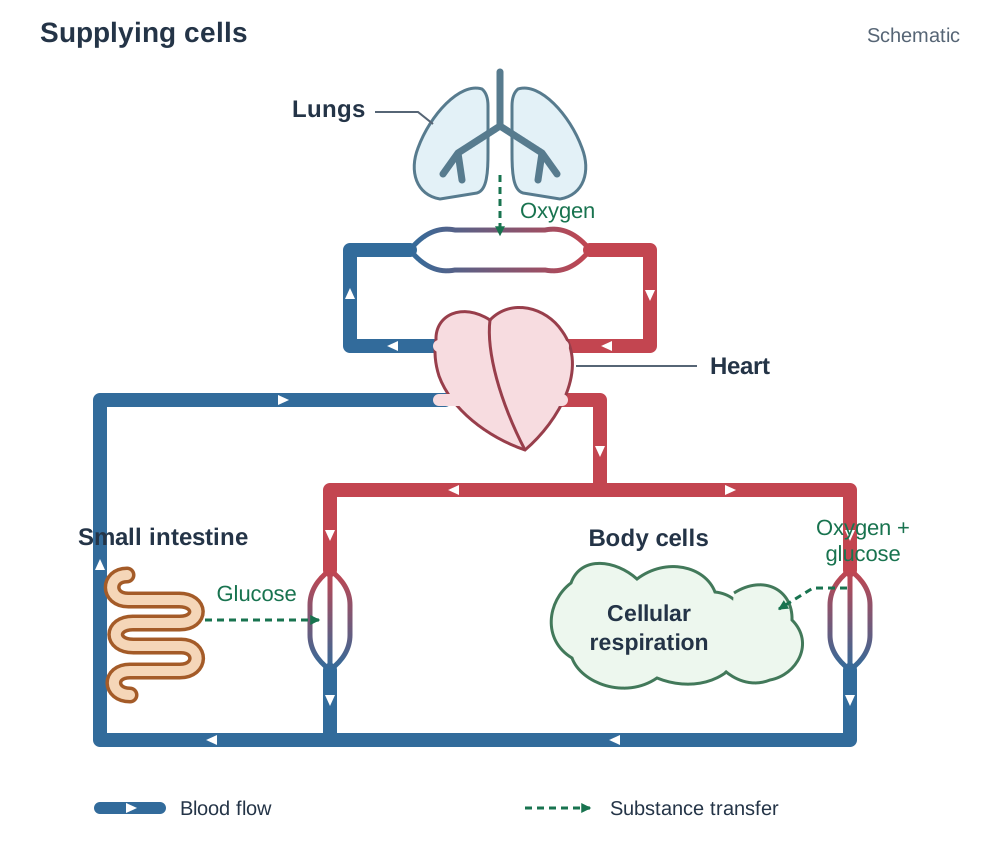
- The small intestine absorbs glucose into the blood, the lungs take in oxygen, and the heart pumps both to cells for cellular respiration:
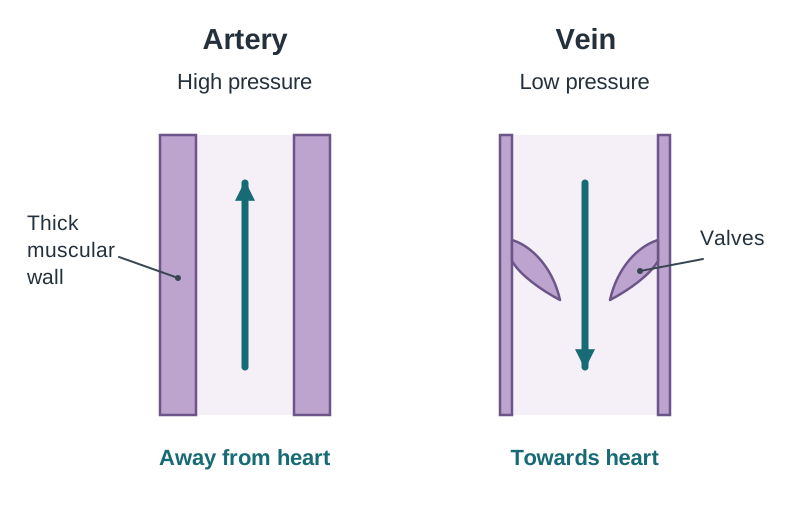
- Arteries carry blood away from the heart under high pressure and have thick muscular walls; veins return blood at low pressure and contain valves.
- Exercise strengthens heart muscle and lowers resting pulse. During exercise, pulse rate rises to supply extra oxygen and glucose to muscle cells.
- Smoking deposits tar in lungs, paralyses protective cilia, and damages artery walls. Carbon monoxide in tobacco smoke takes the place of oxygen on red blood cells, so the blood carries less oxygen.
- Alcohol slows nervous reaction times; long-term heavy drinking damages the liver and elevates blood pressure.
Micro-organisms, Prevention, and Evaluating Claims
Micro-organisms include bacteria, fungi, and viruses, with both positive and negative effects on human health.
- Beneficial microbes: Gut bacteria digest fibre, produce vitamin K, and prevent harmful microbes from multiplying. Bacteria ferment milk into yogurt, and fungi produce medicines such as penicillin.
- Pathogens: Disease-causing microbes, such as food-poisoning bacteria or the influenza virus. They spread through the air, contaminated food or water, and physical contact. Cooking food thoroughly, handwashing, and refrigeration slow their spread.
- Antibiotics: Chemicals that kill or stop the growth of bacteria; they do not work against viral infections like colds or flu. Overusing them causes antibiotic resistance.
- A vaccine contains a dead or weakened form of a pathogen that trains the immune system to produce antibodies without causing the disease.
- When evaluating media health claims, check the sample size, whether a control group was used, who funded the research, and if independent scientists reviewed the findings.
Key terms
- Health
- A state of complete physical, mental, and social wellbeing, not merely the absence of disease.
- Balanced Diet
- A diet containing the correct proportions of carbohydrates, proteins, fats, vitamins, minerals, water, and fibre.
- Cellular Respiration
- The release of energy from glucose in cells, using oxygen and producing carbon dioxide and water.
- Pathogen
- Any disease-causing micro-organism, such as a harmful bacterium, virus, or fungus.
- Antibiotic
- A medicine that kills or stops the growth of bacteria, but has no effect against viruses.
- Vaccine
- A substance containing weakened or harmless pathogens used to stimulate antibody production and provide immunity.
- Cystic Fibrosis
- An inherited genetic condition that causes the production of thick, sticky mucus in the respiratory and digestive systems.
Check yourself
Where does blood absorb glucose, and where does it pick up oxygen?
Glucose is absorbed in the small intestine, and oxygen is picked up in the lungs.
What colour change confirms the presence of protein in a Biuret test?
A colour change from blue to violet.
How does carbon monoxide from cigarette smoke affect the circulatory system?
It binds to red blood cells in place of oxygen, reducing the amount of oxygen carried to body tissues.
What health condition is caused by a dietary deficiency of iron?
Anaemia, which causes fatigue due to reduced oxygen delivery.
How does a vaccine protect the body from future infection?
It introduces a dead or weakened pathogen so white blood cells produce antibodies to recognise and destroy it quickly later.